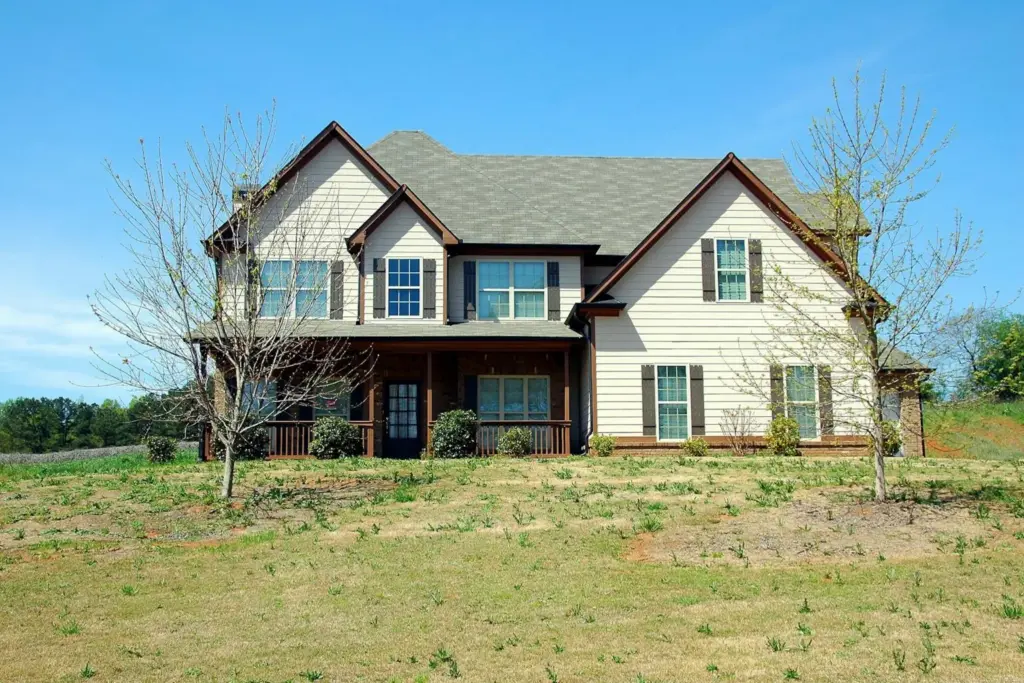
Nearly 60 million Americans now live in multigenerational households, a number that has quadrupled since 1971 (Pew Research Center). In the Austin metro, where the median home price sits around $425,000 and property taxes run 1.8% to 2.5% of assessed value, combining housing costs across generations is not just a cultural preference. It is a financial strategy that saves the average participating household $7,000 to $14,000 per year. According to the National Association of Realtors, 17% of all homebuyers in 2025 purchased specifically for multigenerational use.
Pew Research Center data shows the share of Americans in multigenerational homes has more than doubled since 1971, rising from 7% to over 18% of the population. Generations United found a 271% increase in three-or-more generation households from 2011 to 2021, with the pandemic accelerating a trend that was already building for decades.
Austin is particularly well positioned for this shift. The city’s 2023 HOME Initiative expanded ADU permissions to allow two accessory dwelling units per residential lot, on lots as small as 2,500 square feet, with zero additional parking required. Major builders like Lennar, Toll Brothers, and Perry Homes now offer dedicated multigenerational floor plans in master-planned communities across the metro. And Texas’s lack of state income tax, combined with generous homestead exemptions and the over-65 property tax freeze, creates real financial incentives for keeping multiple generations under one roof (or on one lot).
This guide covers everything you need to know about multigenerational living in Austin: the home features to prioritize, ADU regulations and costs, financing strategies that combine incomes, tax and estate planning implications, accessibility modifications, and the best neighborhoods for households with multiple generations.
Why Multigenerational Living Is Surging in Austin
The growth in multigenerational living is driven by three forces converging at once: economics, demographics, and cultural shifts.
The financial math is compelling. With Austin mortgage rates hovering near 6.5% in mid-2026, a $425,000 home costs roughly $2,700 per month in principal, interest, taxes, and insurance. Split that across two or three contributing adults, and the per-person housing cost drops to $900 to $1,350. That is less than the average one-bedroom apartment in Austin, which runs $1,350 to $1,600 per month according to CoStar data.
The caregiving equation has shifted. The oldest baby boomers turned 80 in 2026, and the youngest are 62. According to the AARP, the average annual cost of assisted living in Texas exceeds $54,000, while in-home care averages $27 per hour. Having an aging parent in a dedicated suite or ADU on your property provides proximity for daily check-ins while preserving everyone’s independence.
Adult children are staying longer or returning. NAR reports that 21% of homebuyers cited adult children moving back home as a reason for their multigenerational purchase. With student loan balances averaging $37,000 and Austin rents absorbing 30% or more of entry-level salaries, young adults benefit from a few years of reduced housing costs to build savings for their own down payment.
Cultural factors matter too. The U.S. Census Bureau found that 26% of foreign-born Americans live in multigenerational households, compared to 17% of U.S.-born Americans. Austin’s growing international population, driven by tech industry hiring and university enrollment, contributes to demand for homes that can accommodate extended households.
What Qualifies as a Multigenerational Home?
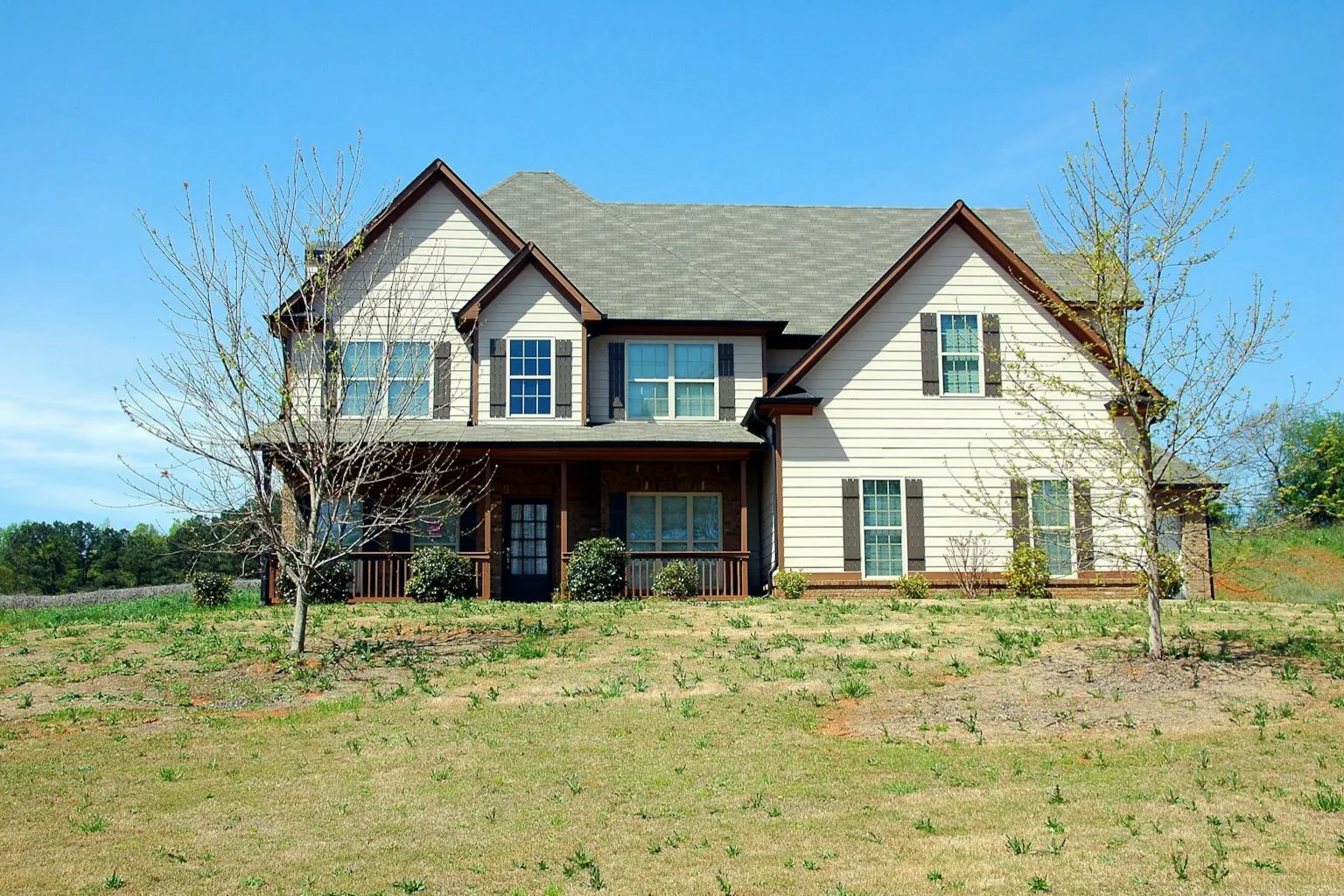
A multigenerational home is any property where two or more adult generations live together. The arrangement can take several forms, each with different implications for space, privacy, and cost.
Shared home with dedicated spaces. The most common setup. One home with defined zones for different generations, such as a primary suite on the main floor for grandparents and additional bedrooms upstairs for the younger generation. Shared kitchen and living areas keep costs down but require compatible daily routines.
Home with in-law suite or mother-in-law suite. A step up in privacy. The suite typically includes a bedroom, full bathroom, small living area, and kitchenette or full kitchen. It may or may not have a separate exterior entrance. This is the most popular multigenerational configuration in the Austin market.
Primary home plus ADU. Maximum independence. A detached or attached accessory dwelling unit provides a completely separate living space on the same lot. Austin’s ADU regulations, expanded under the HOME Initiative, make this increasingly viable.
Duplex or multi-unit property. Two or more distinct units under one roof, each with its own kitchen, bathroom, and entrance. Financing options differ from single-family homes (FHA allows up to 4 units with 3.5% down if you live in one). In Austin, duplexes are increasingly popular for multigenerational buyers because the HOME Initiative now allows up to three units on a single residential lot in most SF-3 zoned areas.
The right configuration depends on your household’s specific needs, but the trend is clear: buyers are moving toward more separation, not less. The NAR data shows that among multigenerational homebuyers in 2025, the share purchasing properties with fully separate living quarters rose to 28%, up from 19% in 2020.
Key Features to Look for in a Multigenerational Home
Not every large home works for multigenerational living. Size alone is not the deciding factor. What matters is how the space is configured and whether it offers the right mix of togetherness and separation.
Non-Negotiable Features
- Two primary suites (or at minimum, two bedrooms with full bathrooms on separate floors or wings). A second primary suite adds approximately $80,000 to a home’s resale value, according to the National Association of Home Builders.
- First-floor bedroom with full bathroom. Essential for aging residents who cannot or prefer not to navigate stairs daily.
- Separate exterior entrance. Even if the home shares a kitchen, a secondary entrance allows different schedules without disruption.
- Dual HVAC zones. Temperature preferences differ by generation. A 72-degree thermostat for one person is a 68-degree thermostat for another. Separate zones avoid daily conflict.
Strongly Recommended Features
- Kitchenette or wet bar in the secondary suite. Full kitchen independence is ideal, but even a microwave, mini-fridge, and sink provide meaningful autonomy for meals and snacks.
- Sound separation. Insulated interior walls, solid-core doors, and staggered stud construction between living areas. A teenager’s music practice and a grandparent’s afternoon rest are not compatible without acoustic barriers.
- Separate laundry access. A stackable washer and dryer in the secondary suite eliminates one of the most common points of household friction.
- Accessible bathroom design. Curbless shower, grab bar backing in walls (even if bars are not installed yet), wider doorways (36 inches minimum). These features cost almost nothing to include during construction but $5,000 to $15,000 to retrofit later. The Complete Guide to Accessible Homes and ADA Modifications covers all modification costs and funding programs.
Nice to Have
- Elevator shaft or reinforced floor framing for future elevator installation
- Separate utility meters for transparent cost sharing
- Covered outdoor connection between main home and ADU
- Smart home technology for remote monitoring (doorbell cameras, medical alert integration, smart locks with multiple codes)
ADUs: Austin’s Best Multigenerational Solution
Austin’s ADU regulations, overhauled through the HOME Initiative in December 2023, make accessory dwelling units one of the strongest multigenerational strategies in the country.
What Austin Allows
| Regulation | Detail |
|---|---|
| Number of ADUs | Up to 2 per residential lot |
| Minimum lot size | 2,500 square feet |
| Maximum ADU size | 1,100 sqft or 15% of lot area (whichever is less) |
| Height limit | 30 feet |
| Two-story second floor cap | 550 square feet max |
| Parking requirement | None (HOME Initiative change) |
| Impervious cover (2 units) | 55% of lot |
| Impervious cover (3 units) | 60% of lot |
| STR restriction | 30 days/year max for ADUs built after Oct 1, 2015 |
ADU Construction Costs in Austin
Expect to pay $150 to $250 per square foot for a permitted ADU in the Austin area. That puts a 600-square-foot detached ADU in the $90,000 to $150,000 range, and a full 1,100-square-foot unit at $165,000 to $275,000. Prefabricated ADU options have entered the Austin market at lower price points ($80,000 to $140,000 for turnkey models under 500 square feet), though site preparation, utility connections, and permit fees add $15,000 to $40,000.
Garage conversions offer the most cost-effective path, typically running $65,000 to $120,000 for a 400 to 500 square foot conversion. The existing structure, foundation, and roof reduce costs significantly.
For multigenerational use specifically, the ADU becomes a long-term asset. When aging parents no longer need the space, it converts to rental income ($1,500 to $2,500 per month in most Austin neighborhoods) or a home office, guest quarters, or adult child’s first independent living space.
New Construction Multigenerational Floor Plans in Austin
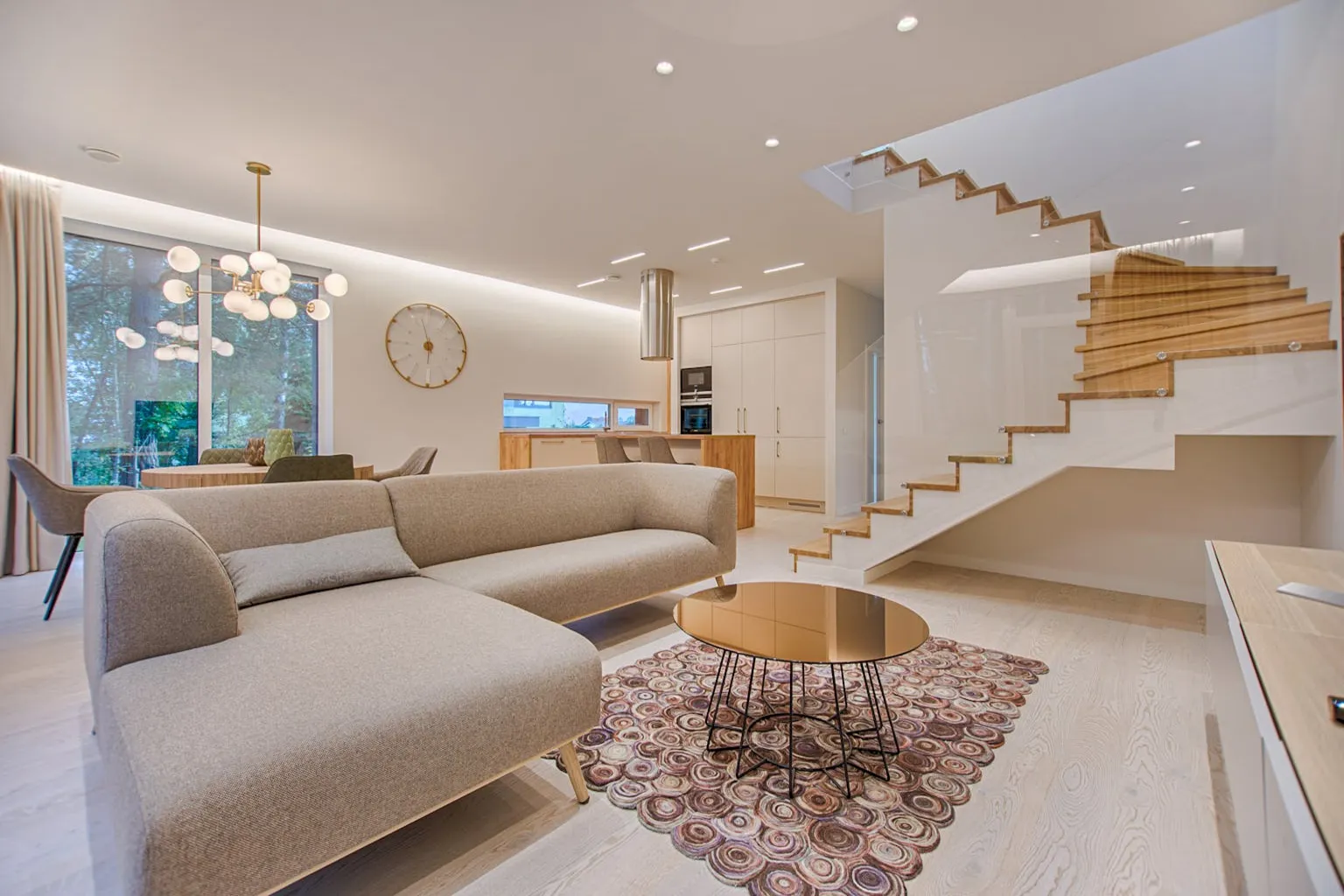
Several major builders operating in the Austin metro now offer purpose-built multigenerational floor plans. These are not afterthought additions. They are designed from the ground up with separate living quarters, private entrances, and independent HVAC systems.
Lennar’s “Home Within a Home” is the most purpose-built option in the Austin market. Floor plans like the Giallo II include a third bedroom with its own bathroom, living room, kitchenette, and a separate exterior entrance. Available in several Austin-area master-planned communities in the $400,000 to $600,000 range.
Toll Brothers offers multi-gen suites and casitas with kitchenettes and private entrances in their luxury communities in Bee Cave and Lakeway. Features include dual primary bedrooms, elevators in select floor plans, and first-floor guest suites with full accessibility. Price range: $600,000 to $1.2 million.
Perry Homes and Highland Homes offer extended floor plans with optional casitas in Dripping Springs and Georgetown communities. Dripping Springs is arguably the strongest market for multigenerational new construction right now, with larger lot sizes (half acre to full acre is standard), 2,500+ square foot floor plans, and several builders offering casita configurations.
David Weekley Homes features “MultiGen” layouts in select Austin communities, with a private suite that includes a bedroom, bathroom, living room, and kitchenette, accessible from both inside the home and through an exterior door.
Ed Neuhaus, broker of Neuhaus Realty Group, notes that multigenerational floor plans now represent roughly 15% of buyer inquiries in the Hill Country market. “Three years ago, buyers would ask about guest suites as an afterthought. Now they are leading with it. They want to see the separate entrance and the kitchenette before they even look at the primary suite.”
Renovating Your Current Home for Multiple Generations
If you already own a home in Austin and want to adapt it for multigenerational living, renovation is often more cost-effective than buying new, especially in established neighborhoods with mature trees, larger lots, and proximity to amenities.
Renovation Options by Cost
| Project Type | Typical Cost (Austin) | Timeline | Added Value |
|---|---|---|---|
| Garage conversion to suite | $65,000 to $120,000 | 8 to 12 weeks | $40,000 to $60,000 |
| Basement conversion | $90,000 to $200,000 | 10 to 16 weeks | $50,000 to $80,000 |
| Second primary suite addition | $80,000 to $180,000 | 12 to 20 weeks | $60,000 to $80,000 |
| Attached in-law suite (bump-out) | $150,000 to $300,000 | 16 to 24 weeks | $80,000 to $150,000 |
| Detached ADU (new construction) | $90,000 to $275,000 | 16 to 32 weeks | $70,000 to $150,000 |
Note that “added value” reflects the estimated increase in appraised value, not a dollar-for-dollar return. The real financial return of multigenerational renovation comes from reduced ongoing housing costs, not resale appreciation. A $150,000 in-law suite that saves the household $1,200 per month in alternative housing costs pays for itself in roughly 10 years, not counting property value appreciation.
Austin-Specific Renovation Considerations
Before starting any renovation, check your zoning district. Most of Austin’s SF-3 zoned properties (the most common residential zoning) now allow ADUs and internal conversions, but setback requirements, impervious cover limits, and heritage tree protections can restrict what you can build.
Austin’s permit process adds 60 to 120 days for plan review. The city’s median total permit timeline is 244 days for new construction (less for interior renovations). Budget for $3,000 to $8,000 in permit and impact fees.
Foundation considerations are critical. Austin sits on Taylor Black Clay, which can shrink 30% or more during drought. Any addition must account for soil movement, and connecting new foundation to existing foundation requires engineering expertise. See the foundation issues guide for details.
How to Finance a Multigenerational Home Purchase
Financing a multigenerational home is simpler than most people expect. Multiple loan products accommodate combined incomes, and some are specifically designed for this purpose.
Conventional Loans with Co-Borrowers
The most straightforward approach. Both generations appear as co-borrowers on a conventional mortgage. Both incomes count toward qualification, and both credit profiles are evaluated. The key consideration: the lender uses the lowest median credit score among all borrowers to determine the interest rate. If your parent has a 720 and you have a 780, the 720 sets the rate.
Conventional loans require 5% to 20% down for primary residences. Combining down payment contributions from multiple generations can make the 20% threshold (and PMI elimination) more achievable.
FHA Loans
FHA loans are particularly useful for multigenerational purchases because they allow purchase of two- to four-unit properties with just 3.5% down, as long as one unit is the buyer’s primary residence. They also allow “boarder income” (rent from a household member) to count as qualifying income, up to 30% of the borrower’s total income.
The Travis County FHA loan limit is $571,550 for a single-family home and $731,700 for a duplex in 2026 (HUD FHA mortgage limits). FHA mortgage insurance (1.75% upfront plus 0.55% annual) is required for the life of the loan.
Other Financing Options
- VA loans: If one co-borrower is a veteran, the VA loan offers zero down payment and no PMI. VA allows non-veteran co-borrowers (though the VA guaranty only covers the veteran’s portion).
- HELOC or home equity loan: For existing homeowners adding an ADU or in-law suite. Texas’s 80% combined LTV rule applies. See the HELOC guide for Texas-specific rules.
- Construction-to-permanent loans: For building an ADU on your property. One closing, interest-only during construction, converts to a standard mortgage upon completion. These loans typically require 20% to 25% down and carry rates 0.5% to 1.0% higher than conventional mortgages during the construction phase.
- HECM (reverse mortgage) for purchase: Borrowers age 62 or older can use a Home Equity Conversion Mortgage to purchase a multigenerational home, combining the reverse mortgage with the younger generation’s conventional financing.
Property Tax Implications in Texas
Texas property taxes are among the highest in the nation, and multigenerational living intersects with the tax code in several important ways.
Homestead exemption. Only one homestead exemption applies per property, regardless of how many generations live there. The homestead exemption reduces the taxable value by $140,000 for school district taxes (plus additional local exemptions) (Texas Comptroller). If the homeowner is 65 or older, a tax ceiling freezes the school district portion at the amount owed the year the exemption was granted.
ADU impact on assessed value. Adding an ADU or in-law suite increases the property’s assessed value. Expect a reassessment within one to two years of permit completion. A $150,000 ADU might add $100,000 to $130,000 to assessed value, translating to $1,800 to $3,250 per year in additional property taxes depending on your combined tax rate.
The over-65 freeze advantage. If the property owner is 65 or older, the school district tax ceiling freezes at the current year’s amount. Any subsequent improvements (including an ADU) will increase the ceiling, but the base amount remains locked. This makes it financially advantageous for the older generation to be on the deed.
Multiple property consideration. If the parent currently owns a separate home and claims a homestead exemption there, they lose that exemption when they move into your property (since they can only have one homestead). Run the numbers before making the move. Sometimes keeping the parent’s home as a rental while building an ADU on your property is the better tax play. Consult the real estate tax benefits guide for the full picture.
Estate Planning for Multigenerational Properties
How you title a multigenerational property has significant implications for inheritance, liability, and taxes. Getting this right from the start prevents expensive legal problems later.
Joint ownership structures. Texas recognizes several forms of co-ownership:
- Joint tenancy with right of survivorship: When one owner dies, their share automatically passes to the surviving owner(s) without probate. Requires an explicit written agreement in Texas.
- Tenants in common: Each owner holds a defined share (not necessarily equal) that passes through their estate. Allows each generation to will their share independently.
- Community property (married couples): Property acquired during marriage is presumed community property in Texas. If parents contribute to a child’s home purchase, documenting the contribution as a gift or loan matters for this classification.
Trust considerations. A revocable living trust can hold the property while specifying exactly what happens when the older generation passes. This avoids probate (which in Texas can take 6 to 18 months even for independent administration) and provides clear instructions for the property’s future.
Federal estate tax. The 2026 federal estate tax exemption is $15 million per individual ($30 million for married couples), up significantly from prior years under the One Big Beautiful Bill Act. For most multigenerational households, federal estate tax is not a concern. Texas has no state estate or inheritance tax.
Stepped-up basis. When an owner dies, the property’s tax basis resets to current market value. This can eliminate decades of capital gains. If the parent is on the deed and the property has appreciated, the stepped-up basis at death can save the inheriting generation tens of thousands in capital gains taxes. See the capital gains tax guide for details.
Medicaid planning. If an aging parent may eventually need Medicaid-funded long-term care, property ownership creates a potential asset that Medicaid can place a lien against. Texas protects the homestead from Medicaid estate recovery during the owner’s lifetime, but after death, the state can seek recovery from the estate. An elder law attorney can help structure ownership to protect the property while maintaining Medicaid eligibility.
Designing for Privacy Across Generations
The number one reason multigenerational arrangements fail is not financial. It is a lack of privacy. Successful multigenerational homes build privacy into the architecture, not just the ground rules.
A 2026 survey by Lombardo Homes found that 68% of multigenerational household members identified “lack of personal space” as their top concern before moving in, but only 12% reported it as an ongoing issue after living together for six months or more. The difference? Intentional design.
Separate entrances are essential, not optional. Even when the living spaces connect internally, an exterior entrance to the secondary suite allows the occupant to come and go without passing through shared spaces. This single feature eliminates the most common source of tension: the feeling of being “checked on” every time you leave or return.
Sound insulation matters more than square footage. Standard interior walls (single layer of drywall on each side of 2×4 studs) offer an STC rating of about 33, meaning normal conversation passes through clearly. Upgrading to staggered stud construction with insulation and double drywall raises the STC to 50 or higher, which blocks most conversational sound and significantly reduces TV and music transmission. Cost: $3 to $8 per square foot of wall area, a minor expense during construction or renovation.
Outdoor space allocation. Designate specific outdoor areas for each generation. A covered patio off the in-law suite, a separate garden area, or simply a screened porch that belongs to one generation creates retreat space that does not require going inside and closing a door.
Shared space ground rules. The physical design supports privacy, but household agreements complete it. Successful multigenerational households typically establish clear expectations around kitchen schedules, guest policies, noise levels after certain hours, and shared space maintenance responsibilities before anyone moves in.
Accessibility and Universal Design
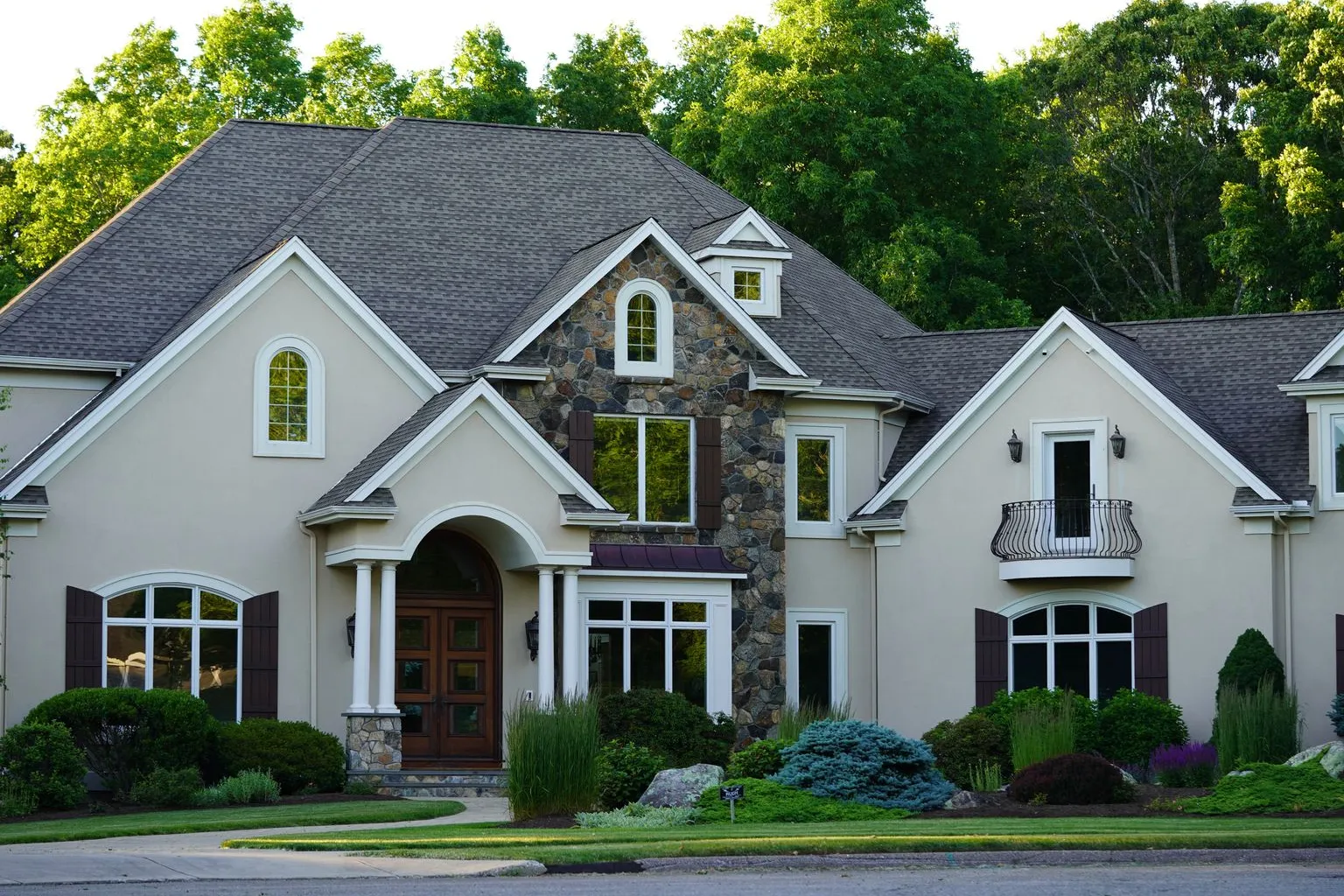
Universal design is the practice of building spaces that work for people of all ages and abilities without requiring specialized modifications later. For multigenerational homes, universal design is not about accommodating a disability. It is about building a home that remains functional for decades as residents age.
More than 75% of adults over 50 say they want to age in place, according to the AARP. Building accessibility features into a new home costs $2,000 to $8,000. Retrofitting the same features into an existing home costs $15,000 to $50,000 or more. The math strongly favors planning ahead.
Priority Modifications
- Zero-step entry: At least one entrance with no steps. Cost: $1,000 to $3,000 for new construction, $3,000 to $8,000 for retrofit.
- Curbless shower: Eliminates the step-over threshold that becomes a fall risk. Cost: $3,000 to $7,000 installed.
- Wider doorways: 36-inch minimum (standard is 32 inches). Accommodates walkers and wheelchairs. Cost: minimal in new construction, $500 to $1,500 per door for retrofit.
- Grab bar blocking: Install plywood backing behind bathroom walls during construction so grab bars can be added later without finding studs. Cost: under $200 during construction, versus $300 to $800 per bar for retrofit with wall repair.
- Lever door handles: Easier to operate than knobs for people with arthritis or limited grip strength. $20 to $50 per handle.
- Adequate lighting: Brighter is better for aging eyes. Under-cabinet lighting, motion-activated nightlights, and well-lit stairways with visible edges reduce fall risk.
The smart home technology guide covers devices like medical alert integrations, smart locks with multiple user codes, and remote monitoring systems that add a layer of safety for aging residents living independently in an ADU or suite.
Best Austin Neighborhoods for Multigenerational Living
The best neighborhoods for multigenerational living share a few characteristics: larger lot sizes (for ADU potential), proximity to healthcare, good walkability scores or at least transit access, and a mix of home types and price points.
Dripping Springs
The strongest multigenerational market in the Hill Country right now. New construction communities offer large floor plans (2,500+ sqft standard) on half-acre to full-acre lots, with several builders offering casita and multi-gen options. Median home price around $550,000. Dripping Springs also offers excellent schools through Dripping Springs ISD and a growing healthcare presence.
Georgetown
Sun City Georgetown provides a unique multigenerational option: active adult residents over 55 can live in Sun City while younger household members live nearby in Georgetown’s growing north side. Median price around $380,000 outside Sun City. The city’s Williamson County location means lower property tax rates than Travis County. Georgetown also has a robust healthcare network through Baylor Scott & White and St. David’s.
Cedar Park and Leander
Strong options for multigenerational buyers seeking affordability with good schools. Median prices in the $425,000 range with newer construction, larger lots in outer neighborhoods, and Leander ISD (one of the fastest-growing districts in Texas). Cedar Park offers proximity to both Dell and Apple employment centers.
Round Rock
Round Rock ISD is one of the highest-rated districts in the metro, and the city offers a strong mix of established neighborhoods with larger lots and new construction with multigenerational floor plans. Median around $400,000. Healthcare access is excellent with Baylor Scott & White Round Rock and Ascension Seton Williamson. Round Rock also sits along the I-35 tech corridor.
Pflugerville
The most affordable option with good schools (Pflugerville ISD). Median prices around $375,000. Newer subdivisions on the east side offer 4- and 5-bedroom homes on larger lots that can accommodate multigenerational living. Proximity to Samsung’s Taylor semiconductor plant and Tesla’s Gigafactory make this area attractive for tech-sector households.
Bee Cave and Lakeway
For higher-budget multigenerational households, Bee Cave and Lakeway offer established neighborhoods with larger lots (quarter acre to full acre), proximity to top-rated Lake Travis ISD schools, and the kind of home sizes (3,000 to 5,000+ sqft) that naturally accommodate multiple generations. Median prices range from $650,000 to $725,000. Several Bee Cave neighborhoods, including Falconhead and Spanish Oaks, feature homes with detached casitas originally built for guest quarters that convert naturally to multigenerational use.
Ed Neuhaus, broker of Neuhaus Realty Group, points out that the neighborhoods with the highest multigenerational demand tend to share one characteristic: proximity to quality healthcare. “When buyers are bringing an aging parent into the household, the first question after schools is always hospital access. Georgetown, Round Rock, and the Bee Cave corridor all have major medical centers within 15 minutes, which matters when you are making a 20-year housing decision.”
What to Look for in a Multigenerational Neighborhood
Beyond home size and price, evaluate these factors when choosing a neighborhood for multigenerational living:
- Healthcare proximity: Hospitals, urgent care, and specialty clinics within 15 minutes. Austin’s major hospital systems (Ascension Seton, St. David’s, Baylor Scott & White) have facilities throughout the metro, but coverage varies significantly by neighborhood.
- Walkability and transit: Older residents who no longer drive need options. Neighborhoods with sidewalks, nearby grocery stores, and Capital Metro bus routes provide independence. See the walkable neighborhoods guide for scores by area.
- School district quality: If younger children are in the household, the school districts guide profiles every district in the metro with ratings, enrollment data, and home price impact.
- Lot size and zoning: Verify ADU eligibility before purchasing. Most SF-3 zoned lots in Austin proper qualify, but ETJ properties and some suburban jurisdictions have different rules.
- Senior-friendly amenities: Community centers, parks with paved walking trails, and proximity to social activities reduce isolation for aging residents who spend most of their time near home.
Legal Considerations for Shared Ownership
Before combining households, address the legal structure. What seems simple when everyone gets along can become extremely complicated during a disagreement, a divorce, a death, or a Medicaid application.
Written co-ownership agreement. Even between parent and child, put the terms in writing. The agreement should cover: who pays what portion of the mortgage, taxes, insurance, and maintenance; what happens if one party wants to sell; how improvements are funded and how their value is allocated; and what happens when one generation no longer occupies the home.
Deed structure. Work with a Texas real estate attorney to determine the right deed structure. A general warranty deed with a right of survivorship agreement keeps things simple for two-generation ownership. More complex arrangements (unequal contributions, multiple siblings involved) may warrant a trust or entity structure.
Insurance implications. Make sure all occupants are disclosed to your homeowners insurance carrier. Additional occupants, especially an ADU, may require a separate policy or endorsement. Liability coverage should account for aging residents and visitors to all portions of the property.
HOA restrictions. Some HOAs restrict the number of unrelated adults, prohibit separate entrances, or limit ADU construction. Review the CC&Rs thoroughly before purchasing in an HOA community. The HOA disputes guide covers your rights if restrictions seem unreasonable.
The Financial Case: Multigenerational vs. Separate Households
Running the actual numbers makes the financial argument clear. Here is a comparison for an Austin household with two generations, each currently renting separately versus combining into one multigenerational home.
| Expense Category | Two Separate Households | One Multigenerational Home | Annual Savings |
|---|---|---|---|
| Housing (mortgage/rent) | $4,800/mo combined | $2,700/mo (one mortgage) | $25,200 |
| Property taxes | $1,400/mo combined | $900/mo (one property, homestead) | $6,000 |
| Homeowners/renters insurance | $450/mo combined | $250/mo | $2,400 |
| Utilities | $600/mo combined | $400/mo | $2,400 |
| Home maintenance | $500/mo combined | $350/mo | $1,800 |
| Total monthly | $7,750 | $4,600 | $37,800/year |
Even accounting for the higher purchase price of a multigenerational home (typically 15% to 25% more than a standard home in the same area), the ongoing savings accumulate rapidly. Over 10 years, a $37,800 annual savings totals $378,000, more than enough to offset the premium paid for a larger home or ADU construction.
According to Neuhaus Realty Group market analysis of 2026 Austin MLS data, homes with in-law suites or ADUs sell for 10% to 18% more than comparable homes without these features, and they spend an average of 12 fewer days on the market.
Making Multigenerational Living Work Long-Term
The physical home is only half the equation. Successful multigenerational living requires ongoing communication and periodic adjustment as circumstances change.
Start with a trial period. Before committing to a joint purchase or major renovation, try a 30 to 90 day cohabitation trial. Rent a home together or have the parent stay in a temporary arrangement. This surfaces compatibility issues before money is spent.
Formalize financial contributions. Whether contributions are equal or proportional to income, document them. A shared spreadsheet or joint account for housing expenses prevents resentment and provides a clear record for tax purposes.
Plan for transitions. Multigenerational arrangements change over time. The parent who moves in at 68 and is fully independent will have different needs at 78 or 85. Build flexibility into the home’s design (a kitchenette that can become a full kitchen, a hallway wide enough for a walker, grab bar backing in every bathroom) so the home adapts without major renovation.
Maintain separate social lives. Shared housing works best when each generation maintains their own social connections, activities, and routines outside the home. The goal is proximity with independence, not dependence.
For buyers beginning the search, starting with the right real estate agent matters. An agent experienced in multigenerational transactions understands the floor plan requirements, financing nuances, and ADU regulations that make or break these purchases. The first-time homebuyer guide covers the basics if this is your first purchase, and the home inspection guide explains what to look for when evaluating an existing multigenerational property.
Frequently Asked Questions
Getting Started with Multigenerational Living in Austin
Multigenerational living is not a compromise. It is a strategic housing decision that aligns financial, caregiving, and lifestyle goals. With Austin’s expanded ADU regulations, builder options designed specifically for this market, and Texas’s favorable tax structure for homeowners, the infrastructure exists to make it work well.
Start by defining your non-negotiables: privacy level (shared home vs. in-law suite vs. ADU), budget (combined purchasing power across generations), location priorities (school district, healthcare access, commute), and timeline. Then work with a local agent who understands the multigenerational market to find or build the right property.
For more guidance on Austin neighborhoods, the Austin neighborhoods by lifestyle guide profiles 20+ areas by price, schools, and commute time. The retiring in Austin and the Hill Country guide covers 55+ communities and healthcare access for the older generation. And the cost of living guide breaks down the full financial picture of living in the Austin metro.
Ready to explore multigenerational options? Contact Neuhaus Realty Group for a consultation on floor plans, ADU feasibility, and neighborhood recommendations tailored to your household’s needs.