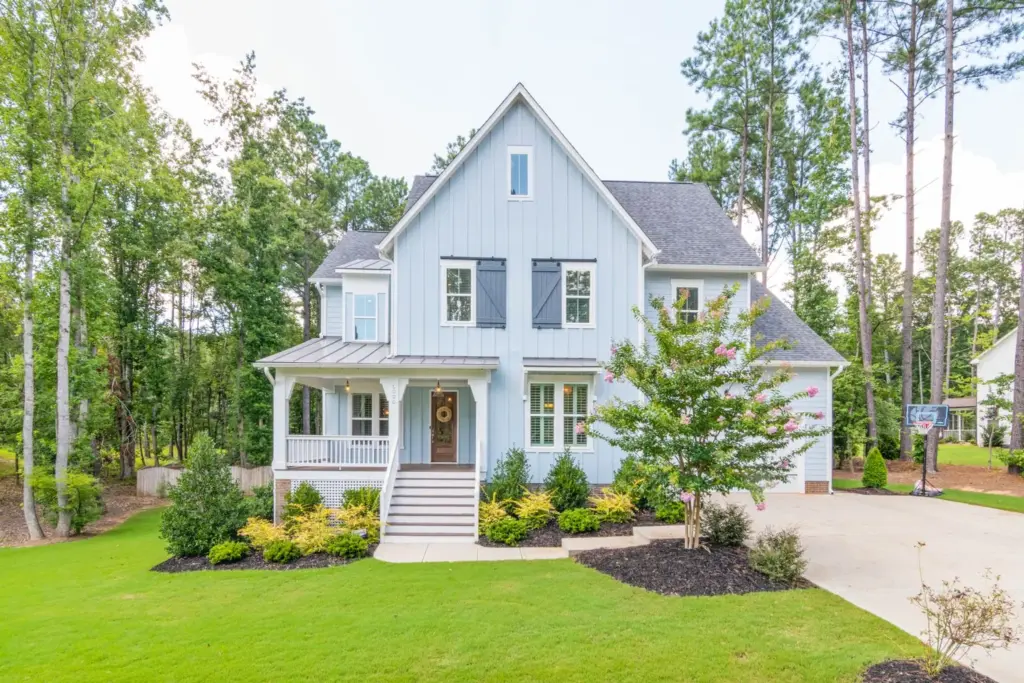
Three out of four Americans over 50 say they want to stay in their current home as they age, according to AARP’s 2024 Home and Community Preferences Survey. Among adults 55 and older, that number climbs to 94%. Yet only 18% of those same respondents have actually made modifications to support that goal. The gap between intention and action represents both a challenge and an opportunity for Austin-area homeowners planning their next decade.
The financial math reinforces why aging in place appeals to so many people. Assisted living in Austin runs a median of $6,200 per month in 2026, which adds up to $74,400 per year. A comprehensive home modification project, even an ambitious one covering bathrooms, entryways, and smart technology, typically costs between $25,000 and $75,000 as a one-time investment. For homeowners who already own their property free and clear (or close to it), the savings over five to ten years are substantial.
This guide walks through every dimension of aging in place in Austin: the modifications that matter most, what they cost, the grants and tax benefits available to offset those costs, the neighborhoods best suited to long-term independent living, and the warning signs that a different plan may be needed. Whether you are a homeowner preparing your current house for the decades ahead or a buyer searching for a home designed to accommodate changing needs, the information here is specific to Austin and current as of 2026.
What Aging in Place Actually Means in 2026
Aging in place is the ability to live in your own home safely, independently, and comfortably, regardless of age, income, or ability level. The Centers for Disease Control and Prevention (CDC) defines it broadly, but the practical meaning has evolved significantly in recent years. In 2026, aging in place encompasses far more than installing a grab bar in the shower.
The modern approach to aging in place involves three overlapping categories:
- Physical modifications to the home itself, from zero-step entries to curbless showers to wider doorways that accommodate wheelchairs or walkers
- Technology integration that monitors health, automates household tasks, and connects residents with caregivers or emergency services
- Community infrastructure including transportation, healthcare access, social engagement, and proximity to daily necessities
The concept of “universal design” sits at the center of this conversation. Universal design means creating spaces that work for people of all ages and abilities without requiring specialized or clinical-looking equipment. The Complete Guide to Accessible Homes and ADA Modifications in Austin covers costs, grants, and design standards in detail. A curbless shower looks sleek and modern. Lever door handles are easier for everyone, not just someone with arthritis. Wider hallways make a home feel more spacious while also accommodating a wheelchair if one is ever needed.
What has changed most dramatically in the past few years is the technology layer. Voice-activated assistants can control lighting, thermostats, locks, and appliances. Medical alert systems have moved well beyond the “I’ve fallen and I can’t get up” pendant into sophisticated wearable devices that detect falls automatically and monitor vital signs continuously. Smart sensors can track movement patterns and alert a caregiver to anomalies, such as a refrigerator that hasn’t been opened all day or a bathroom that hasn’t been used since the previous evening.
The National Association of Home Builders (NAHB) reports that 73% of contractors and remodelers have seen increased requests for aging-in-place modifications since 2022. This is not a niche concern. It is one of the largest trends in residential construction and renovation nationwide, and Austin’s rapid growth among retirees and pre-retirees makes it particularly relevant here.
For homeowners considering their options, the decision is rarely binary. Aging in place does not mean refusing to ever move. It means planning proactively so that the choice of when and whether to move remains yours, driven by preference rather than crisis. If you are also weighing a potential move to a more suitable home, the guide to retiring in Austin and the Hill Country covers that angle in detail.
The Financial Case: Aging in Place vs. Assisted Living in Austin
Money is often the deciding factor, and the numbers in 2026 strongly favor aging in place for most Austin homeowners. The comparison below uses real Austin-area pricing for both paths.
| Category | Aging in Place (One-Time + Monthly) | Assisted Living in Austin |
|---|---|---|
| Initial modification cost | $20,000 to $75,000 (varies by scope) | $0 (but community fees of $2,000 to $5,000 may apply) |
| Monthly housing cost | Property taxes + insurance + maintenance (typically $800 to $2,500 for owned homes) | $6,200/mo median in Austin metro |
| Monthly in-home care (if needed, 20 hrs/wk) | $1,700 to $2,600 | Included in base rate (basic assistance) |
| Annual total (without in-home care) | $9,600 to $30,000 + amortized modifications | $74,400 |
| Annual total (with 20 hrs/wk home care) | $30,000 to $61,200 | $74,400 (may increase for higher care levels) |
| 5-year cost (without in-home care) | $68,000 to $225,000 | $372,000 |
| 5-year cost (with 20 hrs/wk home care) | $170,000 to $381,000 | $372,000+ |
| Home equity retained | Yes | Only if home is rented or sold and invested |
Several factors tilt the math further toward aging in place for Austin homeowners specifically:
- Texas has no state income tax, which means retirement income goes further here than in most states.
- The over-65 property tax exemption significantly reduces annual housing costs (detailed in the tax benefits section below).
- Austin home values have appreciated substantially over the past decade, meaning most long-term homeowners are sitting on significant equity that can be tapped through a reverse mortgage or home equity line of credit if needed.
- Assisted living costs tend to increase annually at rates of 3% to 5%, while a homeowner’s fixed-rate mortgage payment stays constant and the school district tax freeze (available at age 65) locks in a portion of the property tax bill.
The break-even point shifts depending on the level of care required. For someone who needs no regular in-home assistance, aging in place is dramatically cheaper. For someone who eventually needs full-time care (44+ hours per week at $3,800 to $5,800 per month), the cost advantage narrows and may disappear. The key insight is that most people do not need full-time care for the entire duration of their retirement. Planning for a phased approach, where modifications are made early and care is added incrementally as needed, typically produces the best financial outcome.
For a deeper look at property tax implications, see the Austin property tax guide.
Room-by-Room Home Modifications and Their Costs
Not every modification needs to happen at once. A smart approach prioritizes the rooms where falls are most likely (bathrooms), the spaces used most frequently (kitchens and bedrooms), and the transitions between indoor and outdoor areas (entryways). Below is a detailed breakdown of modifications by room, with 2026 Austin-area pricing.
Bathroom Modifications
The bathroom is the single most dangerous room in the house for older adults. Wet surfaces, hard edges, and the physical demands of getting in and out of a tub or shower make this the top priority for any aging-in-place plan.
- Grab bars: $100 to $350 installed per bar. Plan for at least three: one in the shower, one next to the toilet, and one near the tub or shower entry. Decorative grab bars that double as towel bars are available and look less clinical.
- Curbless (roll-in) shower conversion: $4,500 to $12,000. This removes the threshold entirely, allowing wheelchair access and reducing trip hazards. Linear drains are the preferred solution for waterproofing.
- Walk-in tub: $4,000 to $18,000 installed. Prices vary widely based on features like hydrotherapy jets, heated seating, and quick-drain technology. A walk-in tub requires a dedicated water heater capacity assessment since the tub must fill while the user sits inside.
- Comfort-height toilet: $250 to $800 installed. These are 17 to 19 inches high (compared to the standard 15 inches), reducing the strain of sitting and standing.
- Non-slip flooring: $800 to $3,000 for a standard bathroom. Textured tile, slip-resistant vinyl, or rubberized coatings all work.
- Handheld showerhead on slide bar: $150 to $400 installed. Allows seated showering and adjustable height.
- Full accessible bathroom remodel: $6,600 to $28,000 depending on scope, materials, and whether plumbing needs to be relocated.
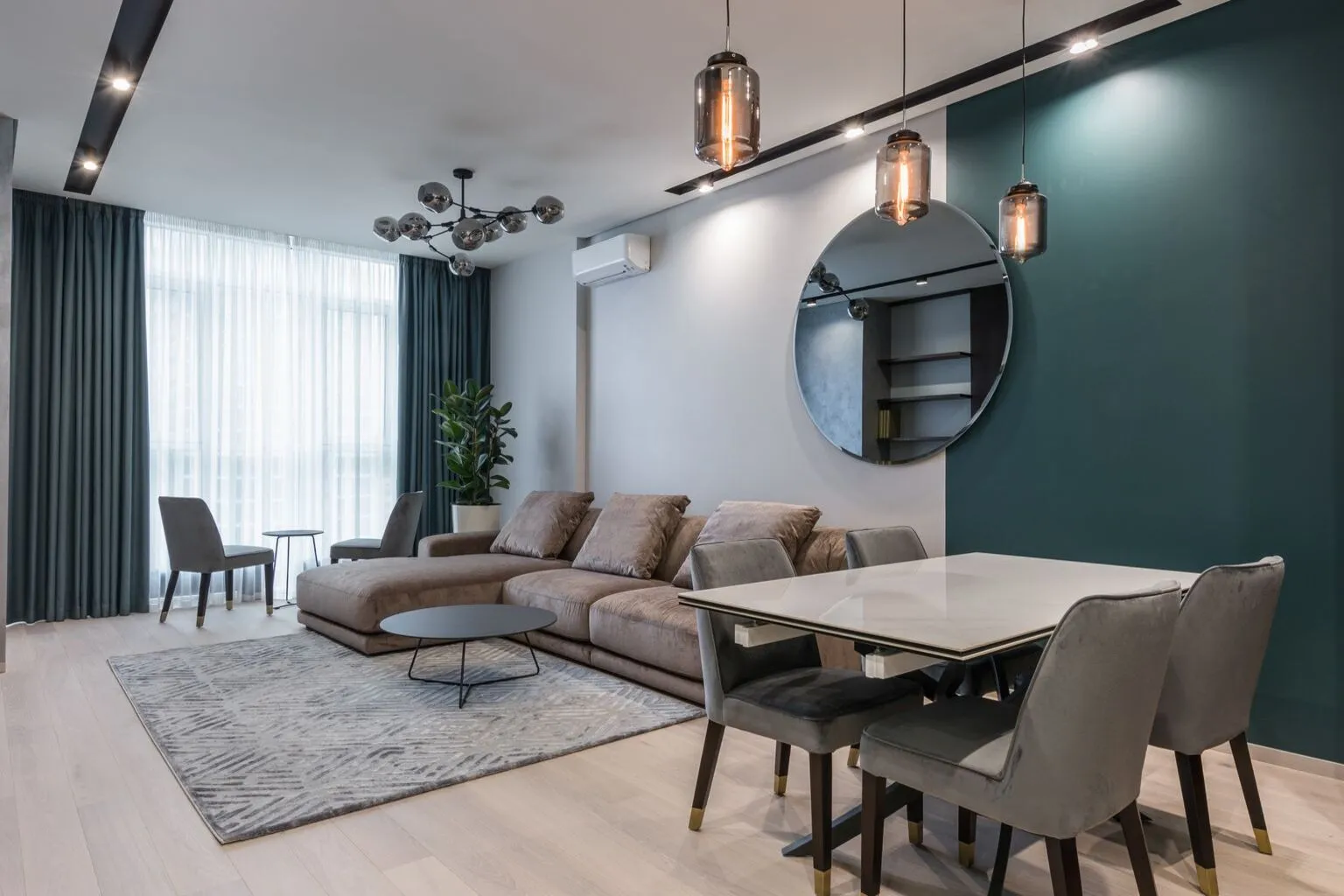
Kitchen Modifications
The kitchen is the second most common location for injuries among older adults, primarily from burns, cuts, and falls. Modifications here focus on reducing reaching, bending, and the risk of leaving appliances on.
- Pull-down cabinet shelving: $200 to $600 per cabinet. These mechanisms bring upper cabinet contents down to counter level.
- Pull-out drawers for lower cabinets: $100 to $350 per drawer. Eliminates the need to kneel or bend deeply to reach items stored low.
- Lever-handle faucet: $150 to $500 installed. Easier to operate with limited grip strength than traditional knobs.
- Adjustable-height countertops: $3,000 to $8,000 for a section. These are motorized surfaces that raise and lower to accommodate standing or seated use.
- Induction cooktop: $1,000 to $3,500. Significantly safer than gas or traditional electric because the surface does not get hot. Many models include auto-shutoff features.
- Touch or motion-activated faucet: $250 to $700 installed. Useful for those with grip limitations.
- Improved lighting: $500 to $2,000 for under-cabinet LED task lighting. Critical for safe food preparation and medication management.
For broader kitchen renovation considerations, the home renovation value guide covers which upgrades deliver the best return.
Bedroom Modifications
Falls during the night, particularly on the way to the bathroom, account for a significant percentage of injuries among older adults. Bedroom modifications focus on safe mobility in low-light conditions.
- Motion-activated night lights: $15 to $50 each, or $200 to $500 for a hardwired pathway system from bedroom to bathroom.
- Adjustable bed frame: $800 to $3,500. Allows the head and feet to be raised independently, which helps with circulation, breathing, and the ability to get in and out of bed.
- Bedside grab rail: $50 to $200 installed. Provides leverage for getting out of bed.
- Lowered closet rods and shelving: $200 to $600. Brings everyday clothing within easy reach.
- First-floor master bedroom conversion: $15,000 to $50,000+ if it involves converting a dining room or other space. This is a major renovation but eliminates the need to use stairs daily.
Entryways and Hallways
Transitions between spaces and levels present some of the greatest fall risks. Even a single step at a front door can become impassable after a knee replacement or hip injury.
- Ramp installation (exterior): $1,000 to $8,000 depending on length, material (wood vs. aluminum vs. concrete), and grade requirements. ADA guidelines call for a 1:12 slope ratio, meaning one foot of ramp for every inch of rise.
- Zero-step entry modification: $2,000 to $6,000. Involves regrading the entry threshold and potentially modifying the foundation.
- Door widening to 36 inches: $500 to $2,500 per doorway. Standard interior doors are 30 to 32 inches. Wheelchair-accessible width is 36 inches minimum.
- Lever door handles (replacing knobs): $20 to $80 per handle, or $150 to $400 installed for a whole house.
- Stair lift (straight): $2,200 to $8,500 installed. Used models can sometimes be found for $1,500 to $3,000.
- Stair lift (curved): $7,500 to $15,000+. Curved stairways require custom-manufactured rails.
- Residential elevator: $30,000 to $60,000+. Typically only justified in multi-story homes where the owner is committed to staying long term and a stair lift is not practical.
- Hallway handrails: $200 to $800 for a standard hallway. These provide continuous support along frequently traveled routes.
Outdoor Modifications
Texas heat, uneven terrain, and slippery surfaces after rain all contribute to outdoor fall risk. Modifications here improve both safety and the ability to enjoy outdoor living, which is important for mental health and social engagement.
- Improved pathway lighting: $500 to $3,000 for solar or low-voltage LED landscape lighting along walkways.
- Non-slip walkway surfaces: $1,500 to $5,000 for resurfacing or replacing a front walkway with textured concrete or pavers.
- Covered entry (if not already present): $3,000 to $10,000. Provides weather protection while unlocking the door.
- Raised garden beds: $200 to $1,000 each. Gardening is excellent physical and mental exercise, and raised beds eliminate the need to kneel or bend.
- Automatic irrigation: $2,000 to $5,000 for a basic smart irrigation system. Eliminates the need to manually water landscaping. The Central Texas home maintenance guide covers seasonal landscaping upkeep in more detail.
Universal Design Features to Look For When Buying
If you are in the market for a new home rather than modifying your current one, buying a home with universal design features already built in is far more cost-effective than retrofitting later. Builders in the Austin metro have increasingly incorporated these features in response to buyer demand, particularly in communities marketed to the 55-and-older demographic.
Single-story and master-down floor plans are the most important structural features. A single-story home eliminates stair-related concerns entirely. A “master-down” plan in a two-story home places the primary bedroom, bathroom, laundry, and often a study or flex room on the ground floor, so stairs are only needed to access secondary bedrooms. The trend toward single-floor living and ranch-style homes has made these floor plans more widely available across the Austin market.
When touring homes, look for these specific features:
- Zero-step entry: At least one entrance with no steps. This is the single most important accessibility feature and the most expensive to add later.
- Wide doorways (36 inches): Check both interior and exterior doors. Many newer homes have 36-inch front doors but 30-inch interior doors.
- Wide hallways (42 to 48 inches): Standard is 36 inches. Wider hallways accommodate walkers and wheelchairs comfortably.
- Lever handles on all doors: Easier to operate than round knobs for anyone with reduced grip strength.
- Rocker-style light switches: Large toggle switches that can be operated with a palm, elbow, or closed fist.
- Reinforced bathroom walls: Blocking (wood reinforcement) behind bathroom walls allows grab bars to be securely mounted later without a major construction project. Ask the builder if this was included.
- Curbless shower in the primary bathroom: Look for a roll-in shower with a linear drain and built-in bench.
- First-floor laundry: Carrying laundry up or down stairs is a common fall hazard. Front-loading washers and dryers on pedestals reduce bending.
- Open floor plan: Fewer walls and wider sight lines make navigation easier and accommodate mobility devices.
- Attached garage with interior entry: Eliminates exposure to weather and provides a level entry point.
Homes marketed as “future-proof” or built to universal design standards increasingly include these features as standard. The future-proof home guide covers additional features worth evaluating during a home search.
Smart Home Technology That Supports Independent Living
Technology has become the fastest-growing component of aging-in-place planning. The 2026 landscape offers solutions that were either unavailable or prohibitively expensive just five years ago. For a comprehensive look at smart home systems, the smart home technology guide covers installation, compatibility, and cost in detail.
Medical Alert Systems
Modern medical alert systems bear little resemblance to the basic pendant alarms of the past. Current options include:
- Wearable pendants and wristbands with automatic fall detection: $25 to $65 per month. Devices from Medical Guardian, Bay Alarm Medical, and others use accelerometers and AI to detect falls and automatically contact emergency services if the wearer does not respond to a prompt.
- Smartwatch-based monitoring: Apple Watch (with its fall detection and crash detection features) and dedicated medical smartwatches can call 911 automatically, share GPS location, and monitor heart rhythm for atrial fibrillation.
- In-home sensor systems: $100 to $300 for hardware plus $30 to $60 per month for monitoring. These use motion sensors placed throughout the home to establish a baseline activity pattern and alert caregivers to deviations. If the bathroom door sensor does not trigger by 10 a.m., or if the kitchen is not entered all day, a notification is sent.
Voice Assistants and Smart Speakers
Amazon Alexa, Google Home, and Apple HomePod devices serve as hands-free control hubs for the entire home. For aging-in-place purposes, they offer:
- Voice-controlled lighting, thermostat, locks, and appliances (no need to walk to a switch or panel)
- Medication reminders at scheduled times
- Hands-free calling to contacts or emergency services
- Calendar and appointment reminders
- Intercom functionality between rooms
- Integration with video doorbells to see and speak with visitors without approaching the door
A basic smart speaker costs $30 to $100, and a smart display (with a screen for video calls) runs $80 to $250. The entire home can be voice-enabled for under $500.
Automated Lighting
Lighting automation reduces fall risk significantly by ensuring hallways, bathrooms, and stairways are always illuminated when someone is moving through them.
- Motion-sensor smart bulbs: $15 to $40 each. These turn on automatically when motion is detected and off after a set period.
- Smart light switches with occupancy sensors: $30 to $70 each. Replace standard switches and provide automatic on/off plus dimming.
- Scheduled lighting routines: Free (using existing smart home platforms). Program lights to gradually brighten in the morning, illuminate the path from bedroom to bathroom overnight, and turn off all lights at a set time.
Smart Locks and Security
Keyless entry eliminates the fine-motor challenge of using a traditional key, which can be difficult with arthritis or tremors.
- Keypad or touchscreen smart locks: $150 to $350 installed. Enter a code, use a fingerprint, or unlock via smartphone.
- Video doorbell: $100 to $300 plus optional monitoring subscription. See who is at the door from anywhere in the house (or remotely) and communicate without opening the door.
- Smart garage door opener: $250 to $500 installed. Open and close the garage from bed, confirm it is closed at night, and grant temporary access to caregivers or delivery drivers.
Remote Health Monitoring
Telehealth has matured rapidly, and many Austin-area healthcare systems now offer remote monitoring programs. Blood pressure cuffs, glucose monitors, pulse oximeters, and weight scales that transmit data directly to a physician’s office are available through Baylor Scott & White, Ascension Seton, and St. David’s HealthCare. These devices typically cost $50 to $200 each and pair with smartphone apps.
Austin Programs and Grants for Home Modifications
Several programs at the city, county, state, and federal levels provide financial assistance for aging-in-place modifications. Eligibility varies, and most programs are income-restricted, but the amounts available are substantial enough to fund significant improvements.
| Program | Maximum Amount | Eligibility | What It Covers |
|---|---|---|---|
| GO REPAIR! (City of Austin) | $20,000 | Austin homeowners at or below 80% Area Median Income (AMI) | Health and safety repairs including accessibility modifications, roofing, plumbing, electrical |
| Architectural Barrier Removal (City of Austin) | $20,000 | Austin homeowners with a disability, at or below 80% AMI | Ramps, grab bars, door widening, bathroom modifications, and other barrier removal |
| Amy Young Barrier Removal (Texas Dept. of Housing) | $22,500 | Texas homeowners or renters with a disability, at or below 80% AMI | Accessibility modifications: ramps, grab bars, roll-in showers, door widening, visual/auditory aids |
| Medicaid STAR+PLUS (Texas HHS) | Varies (part of waiver services) | Income limit $2,982/month, asset limit $2,000 | Home modifications, adaptive aids, personal attendant services, adult day care |
| Rebuilding Together Austin | Varies (volunteer labor, materials donated) | Low-income homeowners, seniors, veterans, people with disabilities | Critical home repairs, accessibility modifications, safety improvements |
| Meals on Wheels Central Texas | Free service | Homebound adults 60+, prioritized by need | Home-delivered meals (not a modification program, but supports aging in place) |
| VA Specially Adapted Housing (SAH) Grant | Up to $109,986 (2026) | Veterans with qualifying service-connected disabilities | Extensive home modifications for wheelchair accessibility, including new construction |
| VA Home Improvements and Structural Alterations (HISA) | $6,800 (service-connected) / $2,000 (non-service-connected) | Veterans enrolled in VA healthcare | Accessibility modifications: ramps, bathroom renovations, wider doorways |
How to apply: The City of Austin programs are administered through the Austin Housing and Planning Department. Applications for GO REPAIR! and Architectural Barrier Removal can be started at austintexas.gov/HomeRepairs. Wait times vary from a few months to over a year depending on funding cycles and demand. The Amy Young Barrier Removal program is administered through the Texas Department of Housing and Community Affairs (TDHCA) and applications are accepted on a rolling basis.
For the Medicaid STAR+PLUS waiver, which covers both home modifications and ongoing personal attendant services, the application process goes through the Texas Health and Human Services Commission. Details on eligibility and enrollment are available at the Texas HHS STAR+PLUS page.
One strategy worth considering: apply to multiple programs simultaneously. They are not mutually exclusive, and combining a GO REPAIR! grant with an Amy Young grant could fund up to $42,500 in modifications at no cost to the homeowner.
Texas Property Tax Benefits at 65 and Older
Texas offers some of the most generous property tax benefits for older homeowners in the country. For Austin-area residents planning to age in place, these benefits dramatically reduce ongoing housing costs and make the financial case for staying even stronger. The Texas homestead exemption guide covers the full range of exemptions in detail.
Over-65 Homestead Exemption
When you turn 65, you become eligible for an additional homestead exemption on top of the standard general homestead exemption. Here is how the exemptions stack in 2026:
- General homestead exemption (school district): $100,000 (available to all homeowners)
- Over-65 additional school district exemption: $60,000 (increased from $10,000 by SB 23 and Proposition 11, approved by voters in November 2025 with 77% support)
- Total school district exemption at 65+: $200,000 when combining the general $100,000 exemption, the $40,000 standard senior exemption, and the new $60,000 additional exemption
- County, city, and special district exemptions: Travis County offers an additional $60,000 for over-65 homeowners. Williamson County and Hays County each offer their own over-65 exemptions. Check with your specific county appraisal district for current amounts.
The practical impact is substantial. On a home with a market value of $450,000, the combined exemptions can reduce the taxable value for school district purposes to $250,000 or less, saving several thousand dollars per year.
School Tax Freeze
This is one of the most valuable and least understood benefits. When you turn 65 (or become disabled), the school district portion of your property tax bill is frozen at its current dollar amount. It does not matter if your home’s appraised value increases. The school tax dollar amount will never go above what it was the year you turned 65 and applied for the exemption.
For Austin homeowners who bought their homes years ago when values were lower, this can represent a freeze at a very favorable level. If you move to a new home, the tax ceiling transfers proportionally to the new property, which is a significant benefit for anyone considering downsizing within the same school district.
Tax Deferral Option
Texas homeowners aged 65 and older can defer (postpone) paying all property taxes on their homestead. The taxes accrue with 5% annual interest but do not have to be paid until the home is sold or the estate is settled. This is a powerful tool for homeowners on fixed incomes who want to stay in their home but find the annual tax bill burdensome.
Important considerations for the deferral option:
- A tax deferral affidavit must be filed with the county appraisal district.
- The deferred taxes become a lien on the property.
- Penalties for delinquent taxes do not apply while the deferral is in effect.
- The 5% interest rate is relatively low compared to the cost of borrowing against home equity.
- When the home is eventually sold, all deferred taxes plus interest are paid from the proceeds before any remaining equity goes to the homeowner or their heirs.
For the full picture on property taxes and how these exemptions interact, see the comprehensive Austin property tax guide.
Reverse Mortgages (HECM) for Austin Homeowners
A Home Equity Conversion Mortgage (HECM), commonly called a reverse mortgage, allows homeowners aged 62 and older to convert a portion of their home equity into cash without selling the home or making monthly mortgage payments. For aging-in-place planning, a reverse mortgage can fund modifications, cover in-home care costs, or supplement retirement income.
2026 HECM Details
- Maximum claim amount (FHA lending limit): $1,249,125 for 2026. This is the maximum home value used in the HECM calculation, though the actual amount available to the borrower will be less.
- Borrower requirements: Must be at least 62 years old, own the home outright or have a small remaining mortgage balance, live in the home as a primary residence, and not be delinquent on any federal debt.
- Mandatory counseling: HUD-approved counseling is required before a HECM can be originated. This is a consumer protection measure to ensure borrowers understand the terms.
- Disbursement options: Lump sum, monthly payments (term or tenure), line of credit, or a combination. The line of credit option is often recommended because the unused balance grows over time.
Pros and Cons for Aging in Place
Advantages:
- No monthly mortgage payments required (the loan is repaid when the home is sold)
- Proceeds can fund modifications, in-home care, or daily living expenses
- The homeowner retains title to the property
- Non-recourse loan: the borrower (or heirs) will never owe more than the home’s value at sale
- Line of credit growth rate provides a hedge against future needs
Disadvantages:
- Upfront costs are significant: origination fees, mortgage insurance premiums (2% initial + 0.5% annual), and closing costs can total $10,000 to $20,000+
- Reduces the equity available to heirs
- The homeowner must continue paying property taxes, insurance, and maintenance. Failure to do so can trigger default.
- If the borrower moves to a care facility for more than 12 consecutive months, the loan becomes due
- Interest accrues over time, growing the loan balance substantially over a decade or more
Texas-Specific Rules
Texas has additional consumer protections for reverse mortgages that are stricter than federal requirements:
- Texas law prohibits reverse mortgage lenders from requiring the borrower to purchase an annuity or other financial product as a condition of the loan.
- The 12-day cooling-off period allows the borrower to cancel the loan without penalty after closing.
- Texas homestead protections apply to reverse mortgages, meaning the home remains protected from most creditors.
- Only one HECM or reverse mortgage can be outstanding on a Texas homestead at any given time.
A reverse mortgage is not the right choice for every homeowner, but for those who are house-rich and cash-poor, it can be the financial tool that makes aging in place feasible.
Senior Transportation Options in Austin
Giving up driving is one of the most psychologically difficult transitions of aging, and one of the most common reasons people conclude they cannot remain in their home. Austin’s transportation options for seniors have improved significantly, though they remain better in some areas than others.
Capital Metro Fixed-Route Service
Capital Metro operates bus routes throughout Austin, and adults aged 65 and older qualify for a reduced fare of half price on all fixed-route services, including MetroRapid and MetroExpress. A senior reduced fare card can be obtained at the Capital Metro Transit Store downtown or by mail.
Capital Metro Access (Paratransit)
Capital Metro Access is the ADA-mandated paratransit service for individuals who cannot use fixed-route buses due to a disability. Key details:
- Available seven days a week within three-quarters of a mile of any fixed bus route
- Door-to-door service with assisted boarding
- Must be certified through an application and potential in-person assessment
- Rides must be scheduled at least one day in advance (next-day service)
- Fares are comparable to fixed-route pricing
Capital Metro Pickup
Pickup is a flexible, on-demand service operating in designated zones around Austin. Riders request a trip via the Pickup app or by phone, and a Capital Metro vehicle arrives within minutes. Zones include parts of North Austin, East Austin, the Mueller area, and several suburban locations. This service is particularly useful for short trips within a neighborhood that do not align well with fixed bus routes.
CARTS (Capital Area Rural Transportation System)
For residents in the more rural parts of the Austin metro, including portions of Williamson, Hays, Burnet, and Caldwell counties, CARTS provides demand-response transportation to medical appointments, shopping, and other essential destinations. Service must be scheduled in advance, and fares are minimal.
Ride-Hailing and Volunteer Driver Programs
- GoGoGrandparent: A phone-based interface for Uber and Lyft that does not require a smartphone. Call a toll-free number, and the service arranges a ride.
- Drive a Senior: A nonprofit serving the Austin area with volunteer drivers who provide free transportation to medical appointments. Available in select zip codes.
- AustinUp and Age of Central Texas: These organizations maintain directories of transportation resources and can connect seniors with available services based on their location and needs.
Transportation access should be a factor when evaluating neighborhoods for aging in place. Proximity to bus routes, medical facilities, and grocery stores becomes increasingly important over time. The walkable neighborhoods guide identifies areas with the best pedestrian infrastructure.
In-Home Care: What It Costs in Austin
At some point, many people who age in place will need some level of in-home assistance, whether for a few hours a week after a surgery or on an ongoing basis for chronic conditions. Understanding the cost structure helps with financial planning.
2026 Austin-Area In-Home Care Rates
| Level of Care | Hourly Rate | 20 Hours/Week | 44 Hours/Week (Full-Time) |
|---|---|---|---|
| Home health aide (non-medical: bathing, dressing, meals, companionship) | $21 to $27/hr | $1,700 to $2,200/mo | $3,800 to $4,900/mo |
| Certified nursing assistant (CNA) | $23 to $30/hr | $1,900 to $2,600/mo | $4,200 to $5,800/mo |
| Licensed vocational nurse (LVN) | $30 to $45/hr | $2,600 to $3,900/mo | $5,700 to $8,600/mo |
| Registered nurse (RN) | $40 to $65/hr | $3,500 to $5,600/mo | $7,700 to $12,500/mo |
Most aging-in-place situations involve non-medical home health aides or CNAs rather than licensed nurses. Medical care is typically provided through visiting nurse services covered by Medicare or private insurance on a limited basis.
Medicare and Medicaid Coverage
Medicare covers home health services only under specific conditions: you must be homebound, under a doctor’s care plan, and need skilled nursing or therapy services. Medicare does not cover ongoing custodial care (help with bathing, dressing, and daily activities) unless it is provided alongside skilled care. Coverage is typically limited to 60-day episodes with re-evaluation.
Medicaid STAR+PLUS is the primary public program covering long-term in-home care in Texas. It provides:
- Personal attendant services (help with daily living activities)
- Adult day care
- Home modifications (as noted in the grants section)
- Adaptive aids and medical supplies
- Respite care for unpaid caregivers
Eligibility requires a monthly income at or below $2,982 and countable assets of $2,000 or less (the home itself is exempt as a countable asset). The application process can be lengthy, with a functional assessment to determine the level of care needed. Many applicants find it helpful to work with an elder law attorney or a local Area Agency on Aging to navigate the process.
Long-term care insurance, if purchased before a health event, can cover in-home care costs. Policies vary widely, but typical coverage is $150 to $250 per day with a benefit period of two to five years. If you have a long-term care policy, review it carefully to understand the elimination period (waiting period before benefits begin, often 90 days), the daily benefit amount, and any restrictions on the type of care covered.
The Austin healthcare guide provides a broader overview of medical resources and health systems in the area.
Best Austin Neighborhoods for Aging in Place
Not every neighborhood is equally suited to long-term independent living. The ideal aging-in-place neighborhood combines single-story housing inventory, relatively flat terrain, proximity to healthcare, grocery stores, pharmacies, and social amenities, along with a general sense of community and safety. Here are eight Austin-area neighborhoods and communities that check the most boxes.
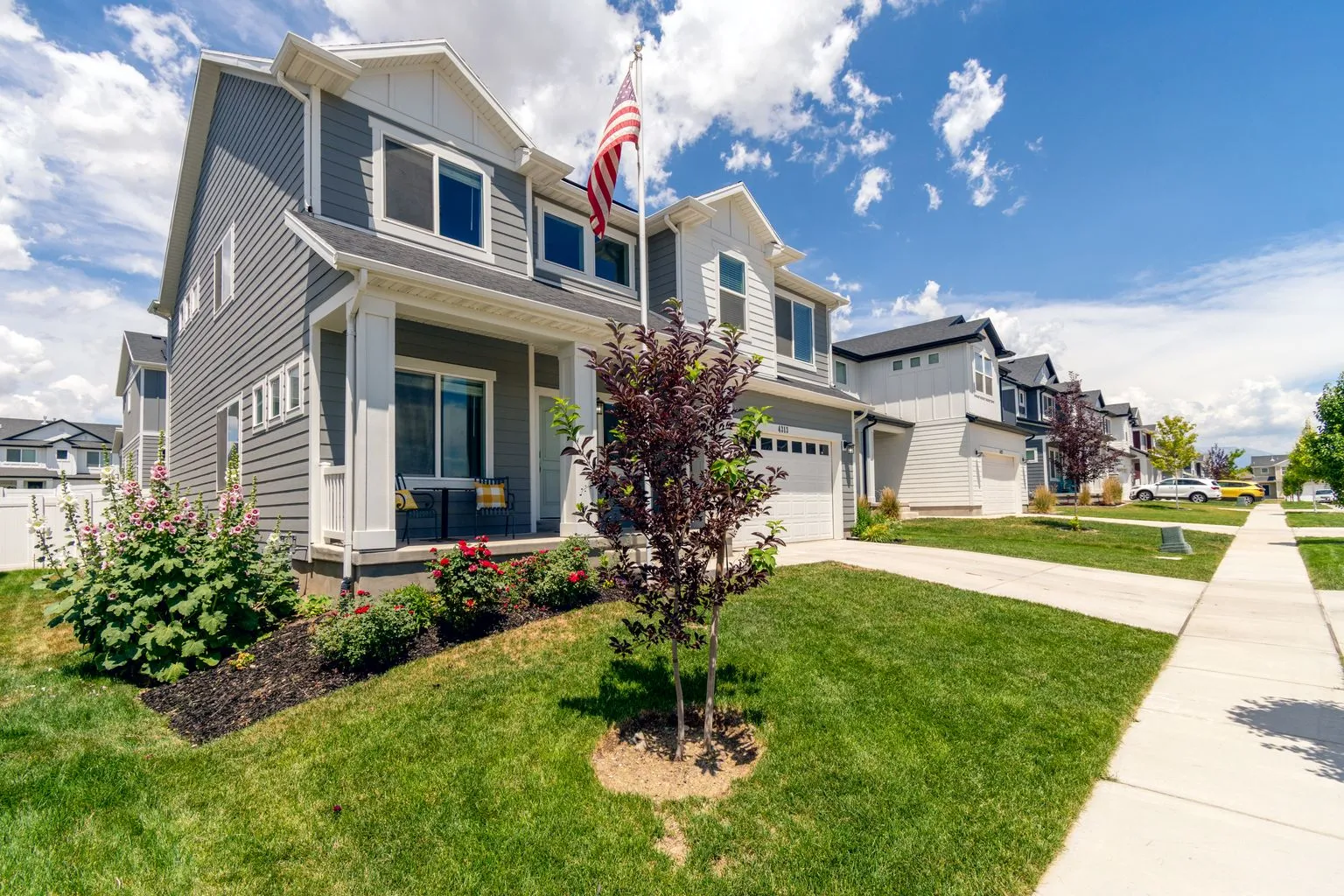
Sun City Georgetown
Georgetown is home to Sun City Texas, one of the largest and most established 55+ communities in the state. Developed by Del Webb, Sun City offers approximately 9,000 single-story homes with universal design features including wider doorways, lever handles, and step-free entries in many models.
The community includes three golf courses, multiple swimming pools, fitness centers, a craft village, and over 50 chartered clubs. Georgetown’s historic downtown square is approximately 15 minutes away, and Baylor Scott & White Medical Center in Round Rock is within a 20-minute drive. The community’s internal amenity-rich environment means residents can meet many of their daily social and recreational needs without leaving Sun City.
Ed Neuhaus, broker of Neuhaus Realty Group, notes that single-story inventory in communities like Sun City Georgetown and Kissing Tree moves quickly because demand from aging-in-place buyers consistently outpaces supply.
Kissing Tree (San Marcos)
Kissing Tree is a newer 55+ community by Brookfield Residential, located just south of San Marcos. It features single-story homes on spacious lots with Hill Country views, a resort-style pool and clubhouse, fitness center, and extensive trail system. Healthcare access is provided by Central Texas Medical Center in San Marcos and the growing medical corridor along I-35.
Lakeway
Lakeway offers a resort-like atmosphere on the shores of Lake Travis. While the terrain is hillier than some options on this list, the community features an abundance of single-story homes, a strong sense of community among retirees, and proximity to Baylor Scott & White Medical Center in Lakeway. The Lakeway Activity Center provides fitness classes, social events, and educational programs.
For buyers considering Lakeway, it is worth noting that the hillier terrain may present challenges for those with significant mobility limitations. Homes on flatter lots closer to the town center offer better long-term accessibility.
Bee Cave
Bee Cave sits along Highway 71 west of Austin and has evolved from a rural community into a thriving suburb with excellent retail (the Hill Country Galleria), dining, and medical services. The Backyard at Bee Cave development and surrounding neighborhoods include single-story and master-down options. Proximity to the growing healthcare presence along the Highway 71/620 corridor is a significant advantage.
Dripping Springs
Dripping Springs offers a slower pace with a small-town feel, Hill Country scenery, and an increasing number of master-planned communities that include single-story floor plans. Caliterra by Drees Custom Homes and Headwaters are two communities with strong aging-in-place potential. Healthcare is expanding in the area, with Ascension Seton operating a growing facility nearby and major hospitals accessible via Highway 290.
Cedar Park
Cedar Park combines suburban convenience with relative affordability compared to Austin proper. The terrain is generally flat, which benefits walkability and wheelchair access. Cedar Park Regional Medical Center provides emergency and specialty care, and the Red Line commuter rail connects to downtown Austin. Retail, dining, and grocery options are abundant along US 183 and FM 1431.
Round Rock
Round Rock offers some of the Austin metro’s best healthcare proximity, with Baylor Scott & White Medical Center, Ascension Seton Williamson, and numerous specialty practices clustered along I-35 and University Boulevard. The Dell Diamond district, Old Town Round Rock, and extensive parks and trail systems provide recreation and social opportunities. Single-story homes are widely available in communities across various price points.
Mueller (East Austin)
Mueller is a master-planned urban community built on the site of the former Robert Mueller Municipal Airport. Unlike the suburban options above, Mueller is located within Austin city limits and offers genuine walkability. Residents can walk to H-E-B, restaurants, retail shops, the Thinkery children’s museum area, and the Mueller Lake Park. The community includes a mix of housing types, and several single-story options are available in the garden home and row home sections.
For those who value urban walkability and want to remain close to downtown Austin’s cultural offerings, Mueller is one of the best aging-in-place options inside the city. Dell Seton Medical Center at the University of Texas is approximately 10 minutes away. See the walkable neighborhoods guide for other pedestrian-friendly areas.
Northwest Hills
Northwest Hills is an established Austin neighborhood with mature trees, a strong residential character, and proximity to both Far West shopping and the Arboretum area. Many homes were built in the 1970s and 1980s as single-story or split-level designs on relatively flat lots. The neighborhood’s central location provides excellent access to St. David’s Medical Center, Seton Northwest, and multiple urgent care facilities.
The trade-off with Northwest Hills is that many homes will need updating and accessibility modifications since they predate universal design standards. However, the bones of these homes (single-story layouts, attached garages, generous lot sizes) make them strong candidates for modification.
For more neighborhood options, the best Austin suburbs for retirees article provides additional perspective on communities that support long-term independent living.
Finding Contractors for Aging-in-Place Modifications
Not every contractor is qualified to perform aging-in-place modifications. Poorly installed grab bars, inadequate waterproofing on curbless showers, and ramps built to incorrect specifications can create more danger than they prevent.
CAPS Certification
The National Association of Home Builders (NAHB) offers the Certified Aging-in-Place Specialist (CAPS) designation. Contractors, designers, and healthcare professionals who earn CAPS certification have completed training in:
- Universal design principles and best practices
- Common aging-related health conditions and their impact on home functionality
- ADA accessibility guidelines and how they apply to residential construction
- Communication strategies for working with older adults and their caregivers
- Business management specific to aging-in-place projects
The NAHB website maintains a directory of CAPS-certified professionals searchable by zip code. While CAPS certification is not legally required, it provides a meaningful indicator that the contractor understands the specific needs of this type of work.
Questions to Ask Before Hiring
- Do you hold a CAPS certification or equivalent training in aging-in-place modifications?
- How many aging-in-place projects have you completed in the past two years? Look for at least five to ten.
- Can you provide references from older adult clients? The experience of working in an occupied home with an older resident is different from new construction.
- Are you licensed, bonded, and insured in Texas? Verify with the Texas Department of Licensing and Regulation.
- Will you provide a detailed, written scope of work and fixed-price bid? Aging-in-place projects should not be priced on a time-and-materials basis unless the scope is genuinely uncertain.
- How do you handle ADA compliance for residential work? While ADA technically applies to commercial buildings, its guidelines represent best practices for residential accessibility.
- What is your timeline for completion? Living in a home during renovation is disruptive, and projects should be planned to minimize the duration.
- Do you have experience working with grant programs? Contractors familiar with GO REPAIR! and similar programs understand the inspection and documentation requirements.
For buyers specifically looking for aging-in-place-ready homes, working with an agent like Ed Neuhaus who covers the Hill Country suburbs provides access to listings with master-down floor plans, ADA-compliant features, and proximity to healthcare corridors. The guide to choosing a real estate agent in Austin covers what to look for in agent selection.
When Aging in Place No Longer Works
Honest planning for aging in place includes acknowledging that it may not be a permanent solution. Some conditions, particularly advanced dementia, severe mobility impairment requiring 24-hour assistance, or complex medical needs requiring continuous skilled nursing, eventually exceed what can be safely managed at home regardless of modifications or in-home care.
Warning Signs to Watch For
- Frequent falls, even with modifications in place. A pattern of falling suggests that the home environment, regardless of adaptations, is not providing adequate safety.
- Wandering or confusion that puts the person at risk of leaving the home unsupervised, particularly relevant in dementia progression.
- Caregiver burnout. If a spouse or adult child is providing primary care, their own physical and mental health must be considered. Caregiver burnout is a leading reason aging-in-place arrangements end.
- Social isolation. If the person has stopped leaving the home, stopped engaging in activities, or lost their social connections, the mental health consequences can be severe.
- Declining nutrition and hygiene. Weight loss, missed medications, and poor personal care despite available assistance may indicate that the current arrangement is not meeting the person’s needs.
- Financial unsustainability. If the cost of in-home care is depleting assets at an unsustainable rate, a residential care setting may actually be more financially responsible.
Transition Planning
The best time to research alternatives is before you need them. Consider:
- Continuing care retirement communities (CCRCs): These offer independent living, assisted living, and skilled nursing on one campus, allowing residents to transition between levels of care without moving to a new location. Austin-area options include Longhorn Village, Westminster, and Querencia at Barton Creek.
- Assisted living communities: For those who need daily assistance but not skilled nursing. Austin has dozens of options ranging from large corporate communities to smaller residential care homes.
- Memory care: Specialized communities for residents with Alzheimer’s disease or other forms of dementia. These provide secured environments and specialized programming.
- Multigenerational living: Some people transition from living alone to living with adult children or other relatives. An accessory dwelling unit (ADU) on a family member’s property can provide independence while keeping support nearby. The Austin ADU guide and the multigenerational living guide cover the logistics and costs of this approach.
Having a plan does not mean you have to execute it. It means that if circumstances change quickly (a fall, a diagnosis, a caregiver health event), the decision-making has already been done and the transition can happen smoothly rather than in crisis. The downsizing guide is a useful companion resource for those evaluating a potential move to a smaller, more manageable home.
Frequently Asked Questions
Planning Your Aging-in-Place Strategy
The most effective aging-in-place plans are built in phases rather than executed all at once. A phased approach spreads costs over time, allows you to prioritize the most impactful modifications first, and adapts to changing needs rather than trying to predict them all upfront.
Phase 1 (Immediate, regardless of age): Address the highest-risk items. Install grab bars in bathrooms, add non-slip surfaces, improve lighting in hallways and stairways, and replace round doorknobs with lever handles throughout the home. Budget: $2,000 to $5,000. Timeline: one weekend to two weeks.
Phase 2 (Pre-retirement or early retirement): Make structural modifications that are disruptive but transformative. Convert a tub to a curbless shower, widen key doorways, add a ramp or zero-step entry, and install a smart home hub with automated lighting and a video doorbell. Budget: $15,000 to $35,000. Timeline: two to six weeks.
Phase 3 (As needs evolve): Add technology and services. Install medical alert systems, set up remote health monitoring, arrange part-time in-home care if needed, and make any additional modifications based on specific health developments. Budget: variable, $500 to $5,000+ per year.
Phase 4 (If mobility significantly declines): Consider a stair lift or residential elevator (if multi-story), increase in-home care hours, and evaluate whether the current home continues to be the best option or whether a move to a more accessible property, a CCRC, or a family member’s home with an accessory dwelling unit would better serve your needs.
Throughout all phases, keep documentation organized. Maintain records of all modifications, their costs, and the contractors who performed them. This information is valuable for insurance purposes, grant applications, property tax appeals, and eventual home sale. Many aging-in-place modifications add market value, particularly in the Austin market where buyer demand for accessible homes continues to grow.
Start the conversation early, both with yourself and with the people who may be involved in your care. Talk to your physician about proactive steps. Talk to an elder law attorney about advance directives, powers of attorney, and estate planning. Review your finances with an advisor who understands both the costs of aging in place and the alternatives. If you are considering buying a more suitable home as part of your plan, the retiring in Austin and the Hill Country guide and the guide to choosing a real estate agent are useful starting points.
The 75% of Americans who say they want to age in place are expressing a deeply reasonable preference: to remain in a familiar environment, maintain independence, and avoid the institutional feel of congregate care. With the right modifications, technology, financial planning, and community resources, that preference is achievable for the vast majority of Austin-area homeowners. The key is starting before the need is urgent.


