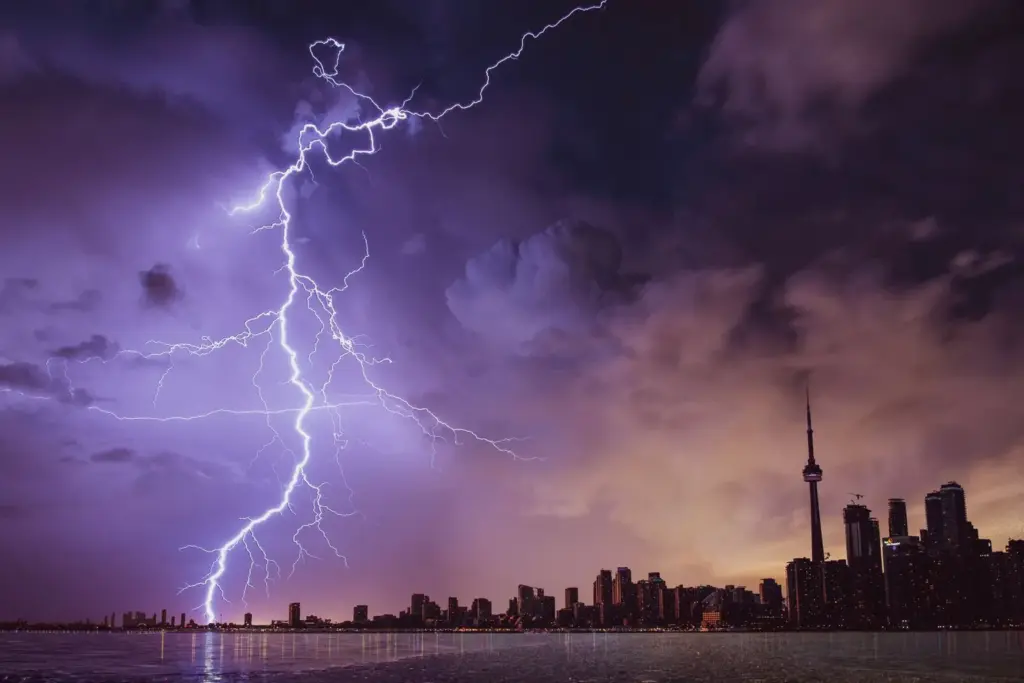
Winter Storm Uri killed 246 Texans and caused $195 billion in damage in February 2021. Five years later, in January 2026, a comparable arctic blast hit Austin, and the ERCOT grid held. That single contrast, one storm that broke the state and another the state survived, tells you almost everything about what has changed for Austin homeowners and what still hasn’t. Preparedness in 2026 isn’t about stockpiling canned goods for a vague emergency. It’s about understanding five specific, well-documented risks, from flash flooding to hail to grid failure, and making targeted decisions about your specific property.
This guide walks through what threatens homes in the Austin metro, what the data says about each risk, and what homeowners in Bee Cave, Lakeway, Dripping Springs, Westlake, and the rest of the metro can do to protect their property, their household, and their insurance premiums. It draws on Austin Fire Department risk assessments, ERCOT weatherization reports, National Weather Service flood records, and insurance industry claims data current through mid-2026.
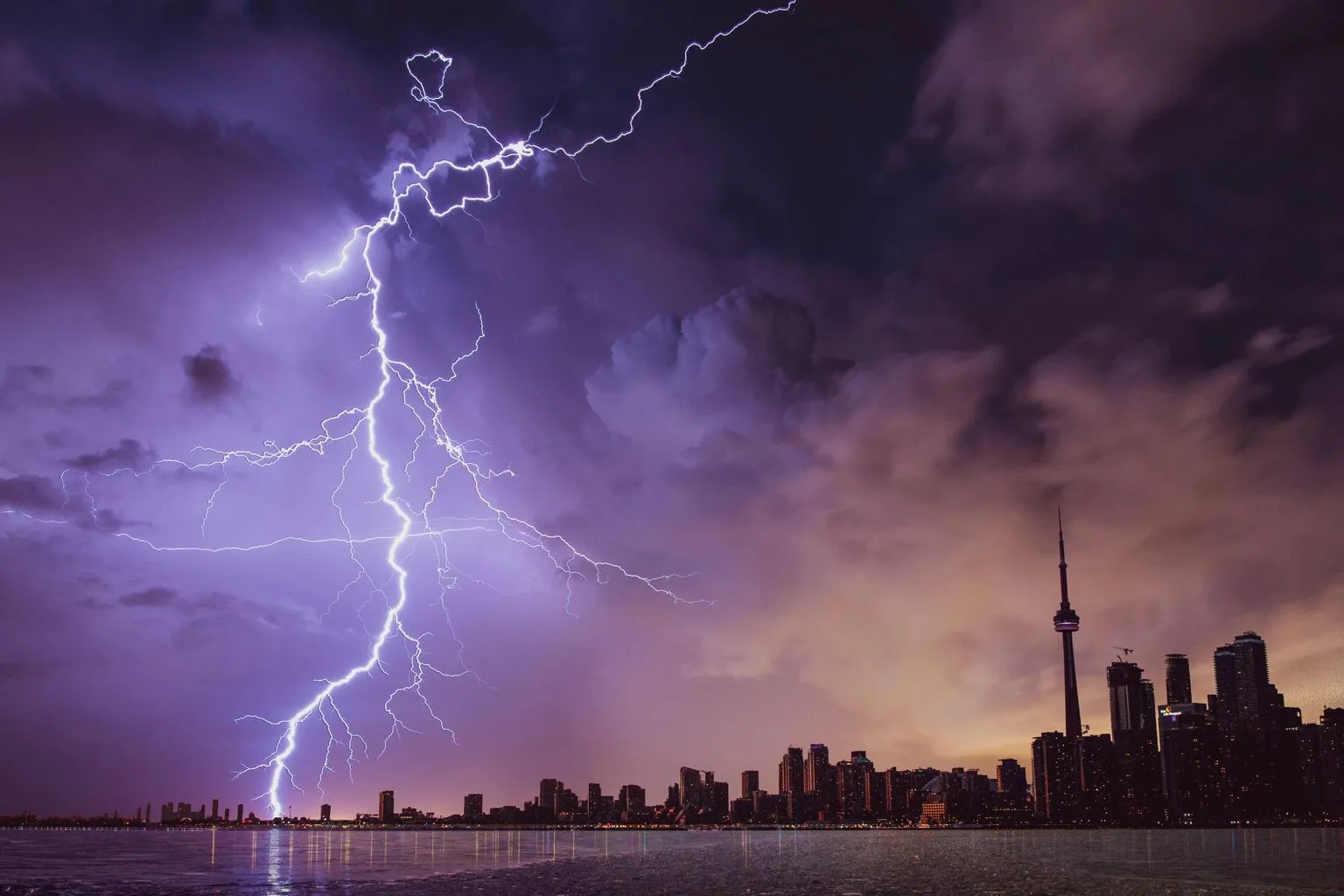
Austin’s Disaster Risk Profile: What Threatens Your Home
Austin homeowners face a genuinely unusual risk mix. Most U.S. metro areas deal with one or two dominant hazards. Austin deals with five that each carry meaningful annual probability: winter storms, flash flooding, severe thunderstorms with hail, wildfire, and (less frequently but not negligibly) tornadoes. Add a power grid that has failed catastrophically once in the last decade, and the case for a coordinated preparedness plan becomes obvious.
The region’s geography drives much of this. Austin sits at the eastern edge of the Balcones Escarpment, where the Hill Country’s shallow soil and steep terrain funnel rainfall into narrow creek beds at extraordinary speed, a phenomenon meteorologists have nicknamed “Flash Flood Alley.” The same limestone hills that create that flood risk also hold the cedar, oak, and brush that make western Travis and Hays counties a wildland urban interface (WUI) zone with real wildfire exposure. Meanwhile, Austin’s location on the boundary between subtropical humidity and continental air masses means it catches both Gulf-fed severe thunderstorm outbreaks and, occasionally, Arctic cold fronts that plunge straight down the Great Plains.
For a deeper look at how these patterns interact seasonally, the Austin weather and climate guide breaks down month-by-month risk windows. The short version: winter storm risk peaks January through February, flash flood risk peaks in spring and again in early fall, hail and severe thunderstorm risk peaks March through June, wildfire risk peaks in the dry summer and drought-stressed fall, and tornado risk clusters in spring with a smaller secondary window in fall.
Winter Storm Preparedness: Lessons From Uri and the 2026 Test
Winter Storm Uri remains the reference event for Texas grid failure. In February 2021, a polar vortex pushed temperatures across the state into the single digits and below, freezing natural gas wellheads, instrumentation, and power plants that had never been built to handle that kind of cold. The result was a rolling blackout that stopped rolling, statewide power loss for millions, burst pipes in homes that were never designed for sustained freezes, and 246 confirmed deaths, many from hypothermia and carbon monoxide poisoning as residents ran generators and grills indoors.
In response, Texas passed mandatory weatherization requirements for power generation and gas supply infrastructure, enforced by the Railroad Commission and the Public Utility Commission with financial penalties for non-compliance. Roughly 2,500 power plants and gas facilities have since undergone weatherization retrofits, and ERCOT added over 14 gigawatts of battery storage capacity to the grid between 2021 and early 2026, giving operators a buffer to manage demand spikes that didn’t exist during Uri.
That investment was tested in January 2026, when a comparable Arctic blast dropped Austin temperatures into the teens for multiple consecutive days. The grid did not fail. ERCOT issued conservation appeals but avoided the rolling blackouts of 2021. According to Ed Neuhaus, the January 2026 winter storm showed Austin homeowners that grid improvements work, but individual backup power remains the best insurance, since even a grid that holds statewide can still experience localized outages from downed lines, transformer failures, or tree damage in any given neighborhood.
Protecting Your Pipes
Most winter storm damage to Austin homes isn’t from the cold itself, it’s from burst pipes. Central Texas homes are typically built with plumbing in exterior walls, attics, and crawl spaces that were never insulated for sustained sub-freezing temperatures the way homes in Minnesota or Michigan are. Before the next hard freeze:
- Disconnect and drain outdoor hoses, and shut off exterior spigots at the interior valve if you have one
- Insulate exposed pipes in attics, garages, and crawl spaces with foam pipe sleeves (a few dollars per linear foot at any hardware store)
- Know where your main water shutoff valve is located and confirm it works before you need it in an emergency
- During a hard freeze, let faucets drip slightly and open cabinet doors under sinks on exterior walls to let warm air circulate
- If you’ll be away, keep the thermostat no lower than 55 degrees
Foundation stress is a secondary winter risk that gets less attention than burst pipes. Rapid freeze-thaw cycles combined with Central Texas’s expansive clay soil can accelerate the kind of movement that shows up as cracked slabs or sticking doors months later. The foundation issues guide for Texas homes covers how to spot early warning signs and when a crack is cosmetic versus structural.
Heating Backup
Homes with electric heat pumps as their sole heating source are the most exposed during grid instability, since a power outage means no heat at all. Homeowners in this position should consider a backup heating plan: a properly vented gas fireplace, a whole-home generator sized to run the HVAC system, or at minimum a stock of battery-powered space heaters rated for safe indoor use. Never run a generator, propane heater, or charcoal grill indoors or in an attached garage. Carbon monoxide poisoning killed dozens of Texans during Uri, almost all from generators and grills used inside enclosed spaces to escape the cold.
| Winter Storm Metric | Winter Storm Uri (Feb 2021) | January 2026 Storm |
|---|---|---|
| Statewide deaths | 246 confirmed | Grid held, no comparable mass casualty event |
| Estimated economic damage | $195 billion | Not yet finalized |
| Grid weatherized facilities | Largely non-compliant | ~2,500 facilities weatherized since 2021 |
| Battery storage on ERCOT grid | Minimal | 14+ GW added since 2021 |
| Rolling blackouts statewide | Yes, days-long | Avoided; conservation appeals only |
Flash Flood Preparedness: Living With Flash Flood Alley
The July 4, 2025 floods across Central Texas killed more than 130 people, making it one of the deadliest flash flood events in recent Texas history and a grim reminder of why this region carries the nickname “Flash Flood Alley,” widely considered the most flood-prone region in North America by hydrologists who study the intersection of thin Hill Country soil, steep terrain, and Gulf moisture. Roughly 10% of Austin’s land area sits within a mapped floodplain, and the geography that makes the Hill Country beautiful, its creeks, its elevation changes, its limestone canyons, is the same geography that turns modest rainfall into fast-moving, high-volume water in a matter of minutes.
This isn’t a new phenomenon. Central Texas has a long, documented history of catastrophic flash flooding: 13 dead in the Memorial Day floods of 1981, more than 10 dead in 2001, 5 dead in the Halloween floods of 2013, and 3 dead in the Memorial Day floods of 2015. After the 2013 flood, the City of Austin ran one of the largest voluntary buyout programs in its history along Onion Creek, ultimately purchasing more than 700 flood-prone homes at a cost exceeding $70 million and converting the land to permanent floodplain open space.
The single most important flash flood statistic for homeowners to internalize: roughly 75% of flood deaths nationally occur in vehicles, most often when a driver attempts to cross a flooded low-water crossing that looks passable but isn’t. “Turn Around, Don’t Drown” is not a slogan, it’s the single behavior change that would prevent the majority of flood fatalities in Central Texas.
Know Your Flood Zone Before You Need To
Every Austin-area homeowner should know their FEMA flood zone designation, and it’s worth checking even if your home wasn’t in a mapped floodplain when you bought it, since flood maps get updated and development upstream changes runoff patterns over time. The flood zone and insurance guide for Austin walks through how to look up your zone, what the letter designations mean (A, AE, X, and so on), and how zone status affects both insurance requirements and resale disclosures. For buyers specifically weighing flood risk against location, the guide to buying a home in an Austin flood zone covers the practical tradeoffs.
Warning Systems and Property Protection
Austin and surrounding counties operate flood warning systems, and homeowners in flood-prone areas should have the local emergency alert system enabled on their phones (Wireless Emergency Alerts, plus county-specific systems like CodeRED in some jurisdictions). Beyond alerts, practical property protection includes:
- Elevating HVAC equipment, water heaters, and electrical panels above expected flood elevation if your home is in or near a floodplain
- Installing check valves in sewer lines to prevent floodwater backup into the home
- Grading landscaping away from the foundation and maintaining gutters and downspouts to direct water away from the structure
- Keeping a documented inventory of belongings (photos, receipts, serial numbers) stored digitally off-site for insurance claims
Standard homeowners insurance does not cover flood damage. That has to be purchased separately, typically through the National Flood Insurance Program (NFIP), and current NFIP premiums for Austin-area homes run roughly $779 to $1,170 per year depending on flood zone and elevation. Given the 2025 flood event, insurers and mortgage lenders have both been paying closer attention to flood zone status on new originations, and the homeowners insurance guide for Austin covers how flood coverage fits into a broader policy strategy.
Severe Thunderstorms and Hail: Protecting the Roof
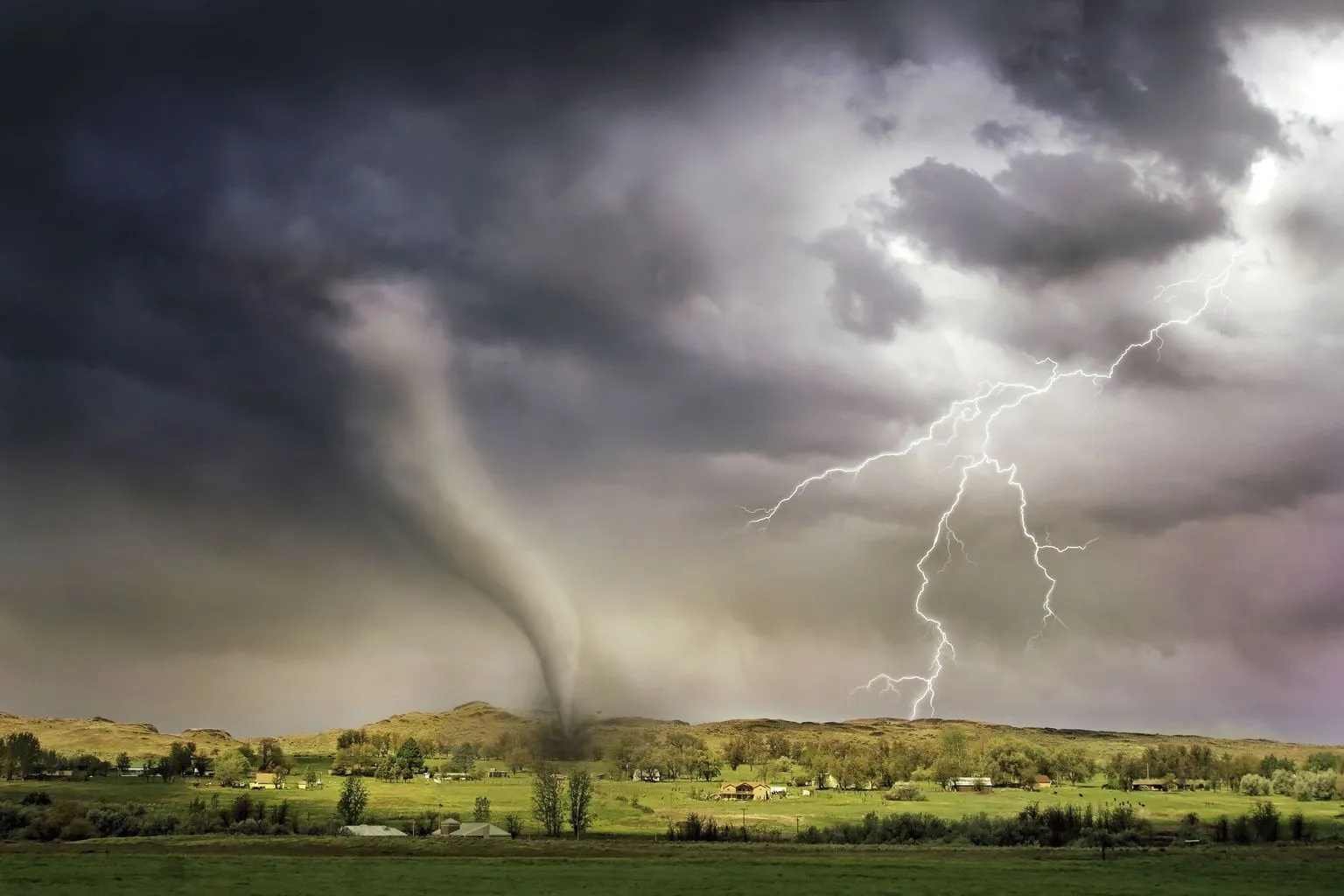
Austin sees four to six significant hail events per year on average, and Central Texas as a whole sits inside one of the most active hail corridors in the country. The financial impact is substantial: State Farm alone paid out $1.4 billion in Texas hail claims during 2025, and hail remains one of the leading causes of homeowner insurance claims statewide, ahead of fire and often ahead of wind damage from named storms.
Roof material matters enormously here. Standard architectural asphalt shingles are rated for moderate impact resistance, but Class 4 impact-rated shingles, tested to withstand a 2-inch steel ball dropped from 20 feet without cracking, hold up dramatically better in hail events. Class 4 shingles cost roughly $6 to $11 per square foot installed, a premium over standard shingles, but most Texas insurers offer a 15% to 28% discount on the wind/hail portion of a homeowner’s premium for verified Class 4 roofing, which typically pays back the upgrade cost within three to five years on top of the reduced storm damage risk itself.
Understanding the Wind/Hail Deductible
One detail that surprises many Austin homeowners after their first hail claim: most Texas policies carry a separate wind/hail deductible, distinct from the standard all-perils deductible, and it’s usually calculated as a percentage of the dwelling coverage rather than a flat dollar amount. A 2% wind/hail deductible is standard across most Texas carriers, which works out to $8,000 out of pocket on a home insured for $400,000 before the policy pays a dime toward hail damage. This is a critical number to know before a storm hits, not after, and it’s a central topic in the homeowners insurance guide for Austin.
Window and Exterior Protection
Beyond the roof, impact-resistant windows (dual-pane with a laminated inner layer) protect against both hail and wind-borne debris, and they carry their own insurance discounts in many cases. For homeowners not ready for a full window replacement, storm shutters or removable panel systems offer a lower-cost interim option for the most exposed windows. Parking vehicles in a garage rather than a driveway during hail watches is a simple, free step that avoids the most common hail-related claim after roof damage.
| Roof Upgrade | Approx. Installed Cost | Insurance Discount | Typical Payback |
|---|---|---|---|
| Class 4 impact-rated shingles | $6-$11 per sq ft | 15-28% on wind/hail premium | 3-5 years |
| Standard architectural shingles | $4-$7 per sq ft | Little to none | N/A |
| Impact-resistant windows | $40-$120 per window | Varies by carrier, often 5-15% | 5-10 years |
Wildfire Preparedness: Living in the WUI
Austin ranks third nationally among major U.S. metros for the number of homes exposed to significant wildfire risk, a statistic that surprises people who associate wildfire risk with California rather than Central Texas. The reason is straightforward geography: roughly 51% of habitable land in the greater Austin area falls within a wildland urban interface (WUI) zone, meaning homes are built directly adjacent to or intermixed with cedar brush, oak motte, and grassland fuel sources, particularly in the western and southwestern parts of the metro toward Dripping Springs, Bee Cave, and the Hill Country.
2026 has already seen 19 wildfires burn roughly 1,800 acres across the metro area, a reminder that this isn’t a hypothetical risk confined to drought years alone, though extended dry periods significantly raise both frequency and severity. Austin adopted a Wildland Urban Interface Code in 2020 and revised it in 2024, establishing three risk zones (A, B, and C) with escalating construction and defensible space requirements as proximity to fuel sources increases.
Defensible Space Zones
The WUI code framework divides property into concentric zones, each with specific vegetation management requirements:
- Zone A (0-5 feet from structure): Non-combustible landscaping only, no wood mulch, no shrubs against siding, gutters kept clear of debris
- Zone B (5-30 feet): Widely spaced, low-growing, fire-resistant plants, tree canopies thinned and separated, no continuous fuel path to the structure
- Zone C (30-100+ feet, terrain-dependent): Reduced fuel density, dead vegetation and cedar removed, tree spacing maintained to prevent crown fire spread
Cedar (Ashe juniper) is the single biggest fuel concern in Central Texas wildfire risk. It burns hot, fast, and produces embers that travel well ahead of the main fire front, which is why defensible space guidance in the Hill Country focuses heavily on cedar thinning and removal near structures. Homeowners in Bee Cave, Lakeway, and Dripping Springs, where cedar-covered lots are common, should treat defensible space maintenance as an annual task, not a one-time project.
Building Materials That Matter
For homeowners building new or doing major exterior renovations in WUI zones, material choices significantly affect fire risk: Class A fire-rated roofing (metal, tile, or fire-rated composite), ember-resistant vents, non-combustible siding materials, and dual-pane tempered glass windows all reduce ignition risk from wind-blown embers, which cause the majority of home losses in WUI wildfires rather than direct flame contact. The home renovation value guide for Austin discusses which upgrades pay off both in resale value and in risk reduction, a combination that’s increasingly relevant for hill country properties.
Tornado Safety in the Austin Metro
Tornado risk in Austin is real but comparatively modest next to flooding, hail, and wildfire. The metro averages one to two tornadoes annually within a 25-mile radius, and the vast majority are EF0 or EF1 on the Enhanced Fujita scale, causing light to moderate damage. That said, Central Texas isn’t immune to stronger events: an EF3 tornado struck Round Rock in March 2023, causing significant structural damage and demonstrating that the region can produce violent tornadoes even if they’re statistically rare.
Because most Austin-area homes are built on slab foundations without basements, sheltering strategy differs from what residents of Tornado Alley states like Oklahoma or Kansas typically use. The best available shelter in a slab-foundation home is an interior room on the lowest floor, away from windows, ideally a bathroom, closet, or hallway with multiple walls between the occupants and the exterior. Homeowners who want a purpose-built solution can install a FEMA-rated safe room or storm shelter, either below-grade or as a reinforced above-ground unit, which typically run several thousand dollars installed but provide near-certain protection even against violent tornadoes. Given the WUI construction requirements many Hill Country homes are already meeting, incorporating a hardened safe room during new construction or major renovation is a relatively small incremental cost.
The Power Grid: Understanding ERCOT and Your Risk
ERCOT (the Electric Reliability Council of Texas) manages roughly 90% of the state’s electric load, and it operates as an isolated grid, largely disconnected from the eastern and western U.S. interconnections. That isolation is precisely why Uri became a statewide crisis in 2021: there was no meaningful ability to import power from neighboring grids when Texas generation failed.
Since 2021, ERCOT and Texas regulators have implemented mandatory weatherization standards for generation and gas supply infrastructure, with the Railroad Commission and Public Utility Commission empowered to levy financial penalties on non-compliant facilities, a significant change from the voluntary standards that existed before Uri. Combined with the 14+ gigawatts of battery storage capacity added to the grid since 2021, largely to help manage the intermittency of Texas’s rapidly growing solar and wind generation, ERCOT now has meaningfully more resilience than it did five years ago. The January 2026 winter storm was the first serious test of that combination, and the grid held statewide.
That statewide resilience doesn’t eliminate localized outage risk for individual homeowners. Downed distribution lines, damaged transformers, and tree limbs on neighborhood power lines can still knock out power to specific streets or subdivisions even when ERCOT’s generation capacity is functioning normally. This is the core argument for individual backup power at the home level, covered in the next two sections, rather than relying solely on grid-level improvements.
Home Generators: Standby vs. Portable
Generator decisions come down to three variables: how much of the home you want to keep running, how automated you want the response to be, and budget. Texas homes typically need 18 to 26 kilowatts of generating capacity to run a full home, including HVAC, well pump if applicable, refrigeration, and standard electrical loads, though sizing should always be confirmed against your specific home’s electrical panel and appliance load.
Standby Generators
A standby generator is permanently installed outside the home, runs on natural gas or propane, and switches on automatically within seconds of a power outage via an automatic transfer switch, no manual intervention required. Fully installed, standby systems typically run $7,000 to $20,000 depending on capacity and installation complexity, with a well-known option like the Generac Guardian series running roughly $8,000 to $15,000 installed for whole-home coverage. For homeowners who travel frequently, have medical equipment dependent on power, or simply want zero-effort resilience, standby is the stronger choice despite the higher upfront cost.
Portable Generators
A portable generator costs considerably less upfront, typically $500 to $3,000 depending on wattage output, but requires manual setup during an outage: rolling it outside, fueling it, and connecting it to the home’s circuits, usually through a manual transfer switch that itself costs $400 to $1,300 installed by a licensed electrician (never connect a portable generator directly to household wiring without a transfer switch, a practice known as “backfeeding” that can electrocute utility line workers). Portable units are best suited to homeowners who want to power essential circuits only, refrigerator, some lighting, a sump pump, rather than the whole house, and who are comfortable with hands-on setup during a stressful outage.
| Generator Type | Typical Cost (Installed) | Startup | Best For |
|---|---|---|---|
| Standby (whole-home) | $7,000-$20,000 | Automatic, seconds | Full-home coverage, hands-off reliability |
| Portable + manual transfer switch | $900-$4,300 | Manual, several minutes | Essential circuits, lower budget |
Fuel considerations matter too. Natural gas standby generators draw from the same utility line as home heating, giving effectively unlimited runtime as long as gas service remains active, while propane requires an on-site tank that needs monitoring and refilling. Gasoline-powered portable generators are cheapest to buy but require stored fuel, which has its own shelf-life and safety considerations (never store gasoline inside an attached garage or living space).
Battery Backup and Solar: The Modern Alternative
Whole-home battery systems, most commonly associated with the Tesla Powerwall but now offered by several manufacturers, have become a serious alternative or complement to traditional generators for Austin homeowners, particularly those already invested in or considering solar. Unlike a generator, a battery system produces no noise, no exhaust, and no fuel storage requirement, drawing instead from either grid charging, solar panel production, or both.
The tradeoff is capacity and duration. A single Powerwall-class battery typically provides enough stored energy to run essential circuits for several hours to a day depending on load, which works well for outages measured in hours but requires either a solar array to recharge the battery or multiple battery units stacked together to cover a multi-day outage like the January 2026 storm. Homeowners who pair solar panels with battery storage get the best of both worlds: daytime solar production recharges the battery even during an extended grid outage, effectively creating an independent power loop as long as the sun is up.
The solar panels guide for Austin covers the economics of solar plus battery installations in detail, including how Austin Energy’s rebate programs and net metering policies factor into the payback calculation. For homeowners focused specifically on efficiency upgrades that reduce the total load a battery or generator needs to cover (better insulation, high-efficiency HVAC, smart thermostats), the green and energy-efficient homes guide is a useful companion resource, since a smaller total home energy draw means backup systems go further and cost less to size appropriately.
Water Storage and Backup Systems
Water service interruptions in Austin most commonly follow winter freezes (main breaks) or, less often, extended power outages affecting municipal pumping stations. The City of Austin’s Ready Central Texas program recommends storing at minimum one gallon of water per person per day for a seven-day supply, which for a household of four works out to 28 gallons, typically stored in food-grade containers and rotated every six months.
Beyond drinking water storage, homeowners with wells should have backup power identified for the well pump specifically, since a standard grid outage that a generator might otherwise handle for HVAC and refrigeration can still leave a well-dependent household without running water if the pump circuit isn’t included in the backup plan. Homeowners on municipal water should still keep a manual water shutoff plan in mind, since burst pipes during winter freezes are a leading cause of both water loss and property damage, and knowing how to isolate a section of plumbing quickly can prevent a burst pipe from draining an entire home’s water heater or flooding a room.
Emergency Supply Kit: What Austin Homeowners Actually Need
The City of Austin’s Ready Central Texas initiative organizes emergency preparedness around four straightforward steps: make a plan, build a kit, check on neighbors, and stay informed. The seven-day kit recommendation reflects Austin’s realistic worst-case scenario, a multi-day grid or water outage following a winter storm or major flood event, rather than a shorter one to three day window that might suffice in less disaster-prone regions.
A functional Austin household emergency kit should include:
- Water: one gallon per person per day, seven-day minimum supply
- Non-perishable food requiring no refrigeration or cooking, seven-day supply per person
- A battery-powered or hand-crank radio for emergency broadcasts if cell service or internet is down
- Flashlights and extra batteries (avoid candles given fire risk in a stressed household)
- A first aid kit and a two-week supply of any prescription medications
- Portable phone chargers or a power bank, charged and ready before storm season
- Cash in small denominations, since card readers and ATMs may be offline during power outages
- A physical, paper copy of important contacts and a local map, since phone GPS may not work
- Warm blankets and layered clothing for winter storm scenarios specifically
- Basic tools: wrench for the water shutoff, duct tape, plastic sheeting
Kits should be checked and refreshed at least twice a year, a good practice is tying it to daylight saving time changes in spring and fall, when food expiration dates, battery charge, and medication supplies are easy to forget about for months at a stretch.
Home Hardening: Physical Upgrades That Protect Your Property
Beyond the disaster-specific hardening covered above (Class 4 roofing for hail, WUI-compliant materials for wildfire, elevated utilities for flooding), several upgrades provide cross-cutting protection against multiple risks simultaneously and are worth prioritizing for that reason:
- Whole-home surge protection: Protects electronics and appliances from power surges common during grid instability and storm-related outages
- Sealed and insulated attic/crawl space: Reduces winter storm pipe-freeze risk while also improving energy efficiency year-round
- Reinforced garage door: Garage doors are frequently the weak point in wind events; a wind-rated door reduces both hail and severe wind risk
- Backup sump pump with battery backup: For homes with any below-grade space, ensures drainage continues even during a power outage coinciding with flooding
- French drains and proper grading: Reduces water intrusion risk during both flash flood events and routine heavy rain
Ed Neuhaus, broker of Neuhaus Realty Group, notes that homes with documented disaster hardening features often command premiums in the Austin market, particularly Class 4 roofing, elevated utilities in flood-prone areas, and whole-home battery or generator systems, since buyers increasingly factor resilience into their purchase decisions after the 2025 flood event and repeated winter storm scares. Documentation matters here: keep receipts, permits, and any manufacturer certifications for hardening upgrades, since they support both insurance discount applications and future resale value. The home renovation value guide ranks which upgrades deliver the strongest return, and disaster hardening features increasingly rank near the top alongside traditional kitchen and bathroom remodels.
For homeowners weighing the broader question of ongoing property upkeep, the home maintenance guide for Central Texas covers the seasonal maintenance rhythm that keeps a home’s baseline condition strong heading into each risk season, since a well-maintained roof, foundation, and drainage system is inherently more disaster-resilient than a deferred-maintenance one.
Insurance Review: Making Sure You’re Covered
Texas homeowners pay an average of roughly $3,899 per year for homeowners insurance as of 2026, among the highest average premiums in the country, driven largely by the state’s exposure to hail, hurricane remnants, and increasingly, wildfire risk in WUI zones. That average premium does not include flood coverage, which as noted earlier must be purchased separately through NFIP or a private flood carrier at an additional $779 to $1,170 per year depending on zone.
A thorough annual insurance review for Austin homeowners should check:
- Dwelling coverage amount reflects current rebuild cost, not purchase price, since construction costs have risen significantly and being underinsured means paying the gap out of pocket after a total loss
- Wind/hail deductible percentage and dollar exposure at current coverage levels (recall the 2% standard deductible works out to $8,000 on a $400,000 dwelling)
- Whether flood coverage is in place at all, particularly for homes near creeks or in flood zones that may have been remapped since purchase
- Whether any hardening upgrades (Class 4 roof, impact windows, whole-home generator) have been reported to the carrier for applicable discounts
- Replacement cost vs. actual cash value coverage for personal property, since actual cash value factors in depreciation and can leave a substantial gap after a claim
The homeowners insurance guide for Austin and the 2026 homeowners insurance cost breakdown both go deeper into current premium trends and how Austin compares to the rest of the state. Given how sensitive Austin’s insurance market has become to climate-related claims, and the market shifts described in the 2026 Austin housing market analysis, an annual policy review has become less of a nice-to-have and more of a standard homeownership task, similar to an annual HVAC service call.
Tree Maintenance and Landscaping for Storm Safety
Trees are simultaneously an asset and a liability in Austin’s storm risk profile. Mature live oaks and pecans provide shade that meaningfully reduces summer cooling costs, but overgrown or poorly maintained trees are a leading cause of both wind and ice-related property damage, and cedar brush is the primary wildfire fuel source in Hill Country neighborhoods.
A sound approach balances these factors rather than treating trees purely as risk:
- Have large trees professionally inspected every two to three years for structural weakness, disease, or dead limbs that could fail in high wind
- Keep tree canopies trimmed away from the roofline and power lines specifically, since roof-adjacent limbs are the most common source of storm-related roof damage
- In WUI zones, maintain the defensible space clearances discussed earlier, thinning cedar and maintaining separation between tree canopies near the home
- Remove dead or dying trees promptly rather than waiting for the next storm to bring them down, particularly any tree within falling distance of the house
- After any major storm, have trees re-inspected for hidden root damage even if no visible limb loss occurred, since root systems can be compromised by saturated soil and fail months later
Emergency Communication Plans
Cell towers and internet infrastructure can go down during major storms even when home power doesn’t, and household members are frequently separated (at work, school, or traveling) when a disaster hits. A written household communication plan should identify an out-of-area contact person everyone can reach even if local lines are congested (long-distance calls sometimes route through less-congested networks than local calls during a regional emergency), designate a meeting point if home isn’t accessible, and ensure every household member, including kids old enough to use a phone, knows the plan by memory rather than relying solely on a saved contact.
A battery or hand-crank NOAA weather radio is worth the modest cost specifically because it continues to receive emergency broadcasts even when cell networks and home internet are both down, which is precisely the scenario in which up-to-date information matters most.
Pet and Livestock Evacuation Planning
Many Central Texas homeowners in the Hill Country and surrounding rural-adjacent areas keep livestock, and even purely urban and suburban households almost universally have pets to plan for. Evacuation planning that doesn’t account for animals tends to fail in practice, since residents will delay or refuse evacuation orders rather than leave animals behind, a documented pattern from prior flood and wildfire evacuations nationally.
Practical steps include keeping a pet carrier and leash accessible year-round (not stored in a hard-to-reach attic), maintaining a small stock of pet food and any medications alongside the household emergency kit, ensuring pets are microchipped and tags are current, and identifying in advance which nearby shelters, boarding facilities, or friends’ homes will accept animals, since not all emergency shelters do. For horse and livestock owners, having a trailer maintained and ready, along with a pre-identified evacuation destination (a friend’s pasture, a fairground, or a boarding facility outside the risk zone) removes a major decision point during an actual emergency when time matters most.
Document Protection and Digital Backup
Insurance claims, FEMA disaster assistance applications, and mortgage continuity after a major loss all move faster when critical documents are readily accessible rather than lost along with the home. A basic document protection plan includes:
- Digital scans of insurance policies, mortgage documents, property deed, vehicle titles, and identification stored in cloud storage accessible from a phone
- A fireproof, waterproof safe for physical originals of the most critical documents (birth certificates, passports, property deed)
- A recent home inventory, photos or video walkthrough of every room including closets and garage, stored digitally off-site, which dramatically speeds up personal property insurance claims after a loss
- Contact information for insurance agents, mortgage servicer, and utility providers saved somewhere accessible without relying on a phone that may be damaged or dead
This is one of the lowest-cost, highest-value preparedness steps available, since it requires an afternoon of scanning and photographing rather than any significant financial investment, and it directly affects how quickly a household can rebuild financially after any of the disaster scenarios covered above.
Community Emergency Plans and Resources
Individual household preparedness works best layered on top of community-level systems rather than in isolation. Austin-area homeowners should be aware of and enrolled in: the City of Austin’s Ready Central Texas alerts and resources, county-level emergency notification systems (Travis County, Hays County, and Williamson County each operate their own alert systems that residents must opt into separately from federal Wireless Emergency Alerts), and neighborhood-level communication channels, whether a formal HOA emergency plan or an informal group chat that shares real-time conditions during a storm.
Checking on neighbors, particularly elderly residents or those with medical dependencies, is explicitly one of the four pillars of the Ready Central Texas framework, and it reflects a real pattern from past Texas disasters: households connected to their immediate neighbors tend to fare measurably better than isolated ones, since neighbors are often the first responders in the window before official emergency services can reach a given street, especially during a widespread event like Uri when emergency response capacity was stretched thin across the entire region simultaneously.
Homeowners in Bee Cave, Lakeway, and Dripping Springs in particular, given the more rural and WUI-adjacent character of those communities, should confirm evacuation routes in advance, since Hill Country roads can be limited compared to urban Austin, with fewer alternate routes if a primary road is blocked by flooding, downed trees, or wildfire.
Frequently Asked Questions
Building a Resilient Austin Home Starts With Knowing Your Risk
Disaster preparedness in Austin isn’t about a single purchase or a one-time checklist. It’s an ongoing property management practice that touches insurance, home hardening, backup power, and household planning simultaneously, informed by a risk profile that’s genuinely unusual compared to most U.S. metro areas. The homeowners who come through winter storms, flash floods, hail events, and wildfire seasons with the least damage and disruption are consistently the ones who treated preparedness as a standing part of homeownership rather than a reaction to the last disaster.
For homeowners considering a move within the Austin metro, whether toward the Hill Country communities of Bee Cave, Lakeway, and Dripping Springs, or the more established Westlake area, understanding a specific property’s flood zone, WUI classification, and grid reliability history should factor into the decision alongside schools and commute times. The team at [Neuhaus Realty Group](https://neuhausre.com) works with Austin-area buyers and sellers regularly on exactly these questions, from evaluating a property’s disaster hardening features to understanding how flood zone status affects both insurance costs and long-term resale value. To discuss a specific property or neighborhood’s risk profile, reach out through the contact page.