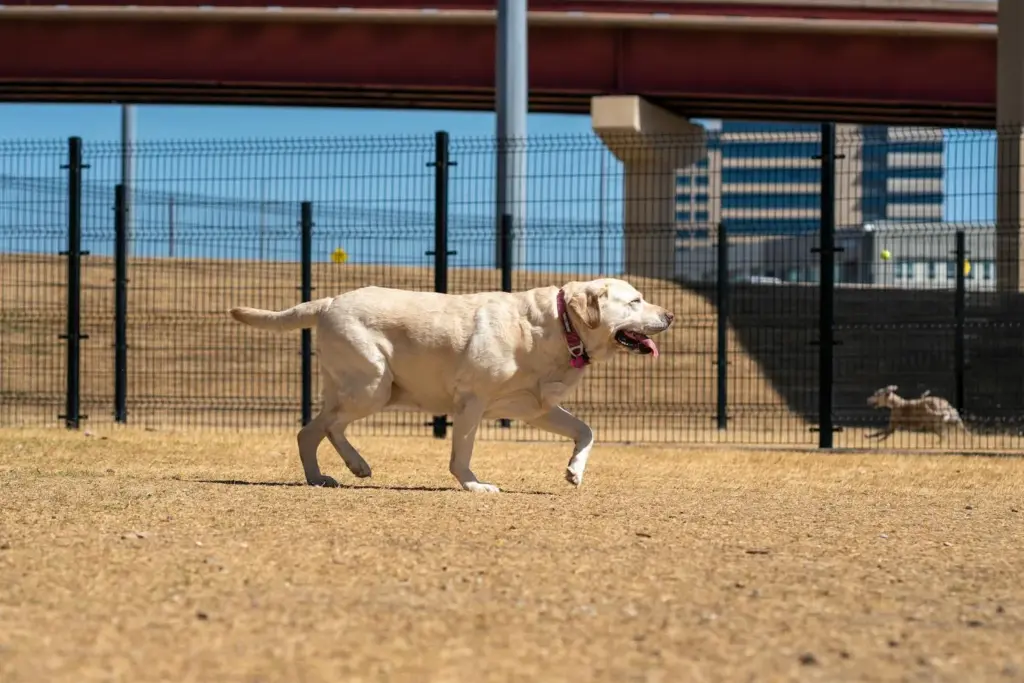
More than 70% of Austin households own at least one pet, and the average pet owner here spends over $2,000 per year on their animals. Those numbers place Austin among the top pet-owning metros in the country, but statistics only tell part of the story. A 2024 BARK and Zillow study ranked Austin the second most dog-obsessed city in the United States, trailing only Dallas.
What makes Austin genuinely different from other pet-friendly cities is infrastructure. According to a WalletHub analysis, Austin ranks first nationally in dog-friendly restaurants per capita and first in the percentage of pet-friendly hotels. The city has maintained its status as the largest no-kill city in the nation since 2011, with a shelter save rate consistently above 95%. Whether you are buying your first home with a golden retriever in tow, renting a downtown apartment with a cat, or looking for the right neighborhood to let your dog run off-leash every evening, Austin delivers in ways most cities simply cannot.
Ed Neuhaus, broker of Neuhaus Realty Group, works with pet owners relocating to Austin every week. “One of the first questions buyers ask is whether the neighborhood has good dog parks or trail access,” he notes. “In Austin, the answer is almost always yes, but the details matter. HOA breed restrictions, lot sizes, and proximity to off-leash areas vary dramatically from one community to the next.”
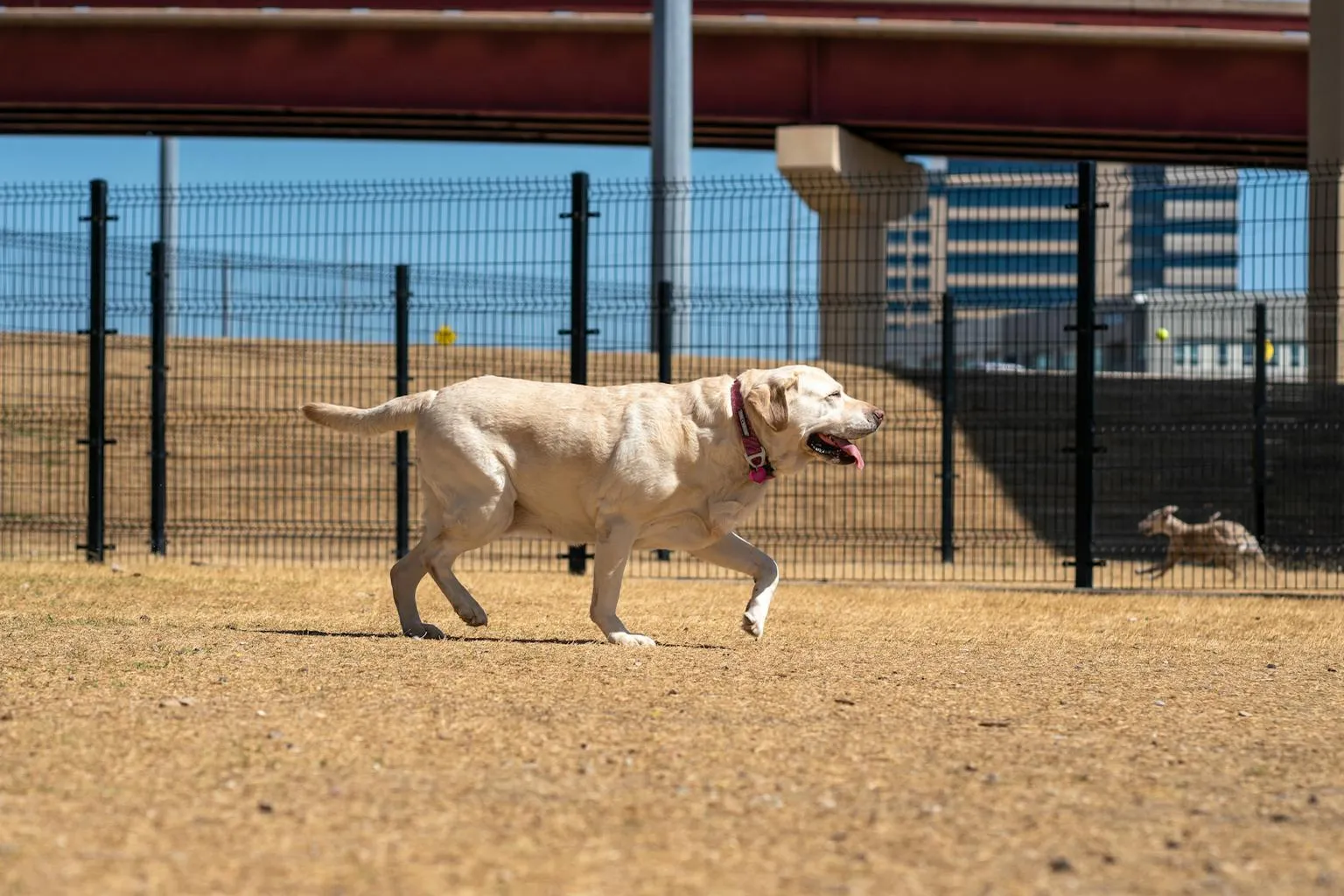
Why Austin Ranks Among America’s Most Pet-Friendly Cities
Austin’s reputation as a dog town is not marketing. It is backed by data from multiple independent sources. The BARK and Zillow study evaluated cities based on dog-friendly rental availability, dog parks per capita, pet stores, veterinary clinics, and overall pet culture. Austin scored second overall, with 77% of rentals accepting pets (the national average sits at 55%).
A separate WalletHub study ranked Austin fourth most pet-friendly overall, but first in two critical categories: dog-friendly restaurants per capita and pet-friendly hotel percentage. For residents, the restaurant metric matters most. It reflects a city-wide cultural norm that dogs belong at the table (or at least under it on the patio).
The American Veterinary Medical Association survey data shows Austin, Denver, Nashville, and Asheville routinely lead the nation in dogs-per-household ratios. Austin’s average of 1.8 pets per household means many owners have multiple animals, which shapes everything from yard size requirements to boarding costs.
Austin’s Off-Leash Dog Parks and Green Spaces
Austin Parks and Recreation Department operates more than a dozen designated off-leash areas across the city. Parks are generally open from 5 a.m. to 10 p.m. unless otherwise posted. Here are the standout options.
Zilker Park
The crown jewel. At 350 acres of publicly owned land, Zilker is Austin’s largest off-leash area. Dogs can roam the Great Lawn, play along Barton Creek, and socialize with dozens of other dogs on any given afternoon. The park also hosts sports fields, concerts, and picnic areas. Parking fills up on weekends, so arrive before 10 a.m. during peak months (March through May and September through November).
Red Bud Isle
A 13-acre peninsula on Lady Bird Lake, Red Bud Isle is the go-to swimming spot for water-loving dogs. The loop trail is entirely off-leash, and multiple side paths lead down to the water. Important: check the City of Austin website for blue-green algae alerts before visiting. Toxic cyanobacteria blooms have been a recurring issue in Lady Bird Lake since 2019, and they are lethal to dogs. When algae levels are elevated, keep your dog out of the water entirely.
Auditorium Shores
Located along Lady Bird Lake near downtown, Auditorium Shores has a designated off-leash section with direct water access. It is one of the most accessible dog parks for downtown and South Austin residents, within walking distance of Rainey Street and South Congress.
Mary Moore Searight Metropolitan Park
This 300-acre park in South Austin offers an off-leash trail system, disc golf, grills, and horseback riding trails. The off-leash area is less crowded than Zilker or Red Bud Isle, making it a good option for dogs that are reactive or still working on recall training.
West Austin Neighborhood Park
A fully fenced 3-acre dog park with graduated stone walls and shaded areas. The fenced perimeter makes it ideal for puppies, smaller dogs, or dogs that cannot be trusted off-leash in open parks. Located in the Tarrytown area.
Onion Creek District Park
A secluded park with off-leash trails in Southeast Austin. The quieter atmosphere appeals to owners looking for a more relaxed experience away from the crowds.
| Park | Acres | Fenced | Water Access | Best For |
|---|---|---|---|---|
| Zilker Park | 350 | No | Barton Creek | Large dogs, socializing |
| Red Bud Isle | 13 | No | Lady Bird Lake | Swimming dogs |
| Auditorium Shores | 10 | No | Lady Bird Lake | Downtown convenience |
| Mary Moore Searight | 300 | No | Creek | Quiet walks, reactive dogs |
| West Austin Park | 3 | Yes | No | Puppies, small dogs |
| Onion Creek | 40 | No | Creek | Secluded hiking |
| Shoal Creek Greenbelt | N/A (10 mi trail) | No | Creek | Long walks |
Beyond city parks, private off-leash spaces have become increasingly popular. Sniffspot lists dozens of private yards available for hourly rental across the Austin metro, ranging from $5 to $20 per hour. These are especially useful for owners with reactive dogs or breeds that attract unwanted attention at public parks.
Dog-Friendly Restaurants, Bars, and Patios
Austin’s food and drink scene is built around outdoor patios, and most of those patios welcome dogs. In fact, Austin leads the nation in dog-friendly restaurants per capita, according to WalletHub data. Texas Health and Safety Code allows dogs on restaurant patios as long as the establishment meets certain sanitation requirements, and Austin restaurants have embraced the policy enthusiastically.
Standout Dog-Friendly Spots
Yard Bar in North Austin combines a full-service bar with an off-leash dog park, complete with agility equipment, toys, and fire hydrants. Staff members called “Bark Rangers” monitor the play area. Day passes run around $10 for non-members, and memberships range from $45 to $75 per month.
Banger’s Sausage House and Beer Garden on Rainey Street offers more than 200 beers on tap and a dog-specific menu item called the Woof Wurst. Water bowls line the patio, and the Rainey Street district in general is one of Austin’s most dog-friendly areas. Every bar on Rainey Street welcomes dogs, and most allow them inside and out.
Bouldin Acres on South Lamar is mostly outdoors with pickleball courts, TVs, cornhole, and a fenced-in dog park where you can let your dog play while you eat.
Loro, the Asian smokehouse from the teams behind Uchi and Franklin Barbecue, has a massive oak-shaded patio that is perfect for dogs. The atmosphere is relaxed, the food is exceptional, and nobody blinks at a dog under the table.
Scholz Garten is the oldest bar in Texas (established 1866) and is 100% dog-friendly. The biergarten setting with long communal tables makes it easy to tuck a dog underneath.
Jester King Brewery sits on 165 acres west of Austin. Part brewery, part restaurant, part working farm. Dogs can walk the paths between the brew house, pizza kitchen, and pastures. It is one of the most unique dog-friendly experiences in the metro.
For a comprehensive overview of Austin’s restaurant and bar scene, see the Complete Guide to Austin’s Food and Restaurant Scene.
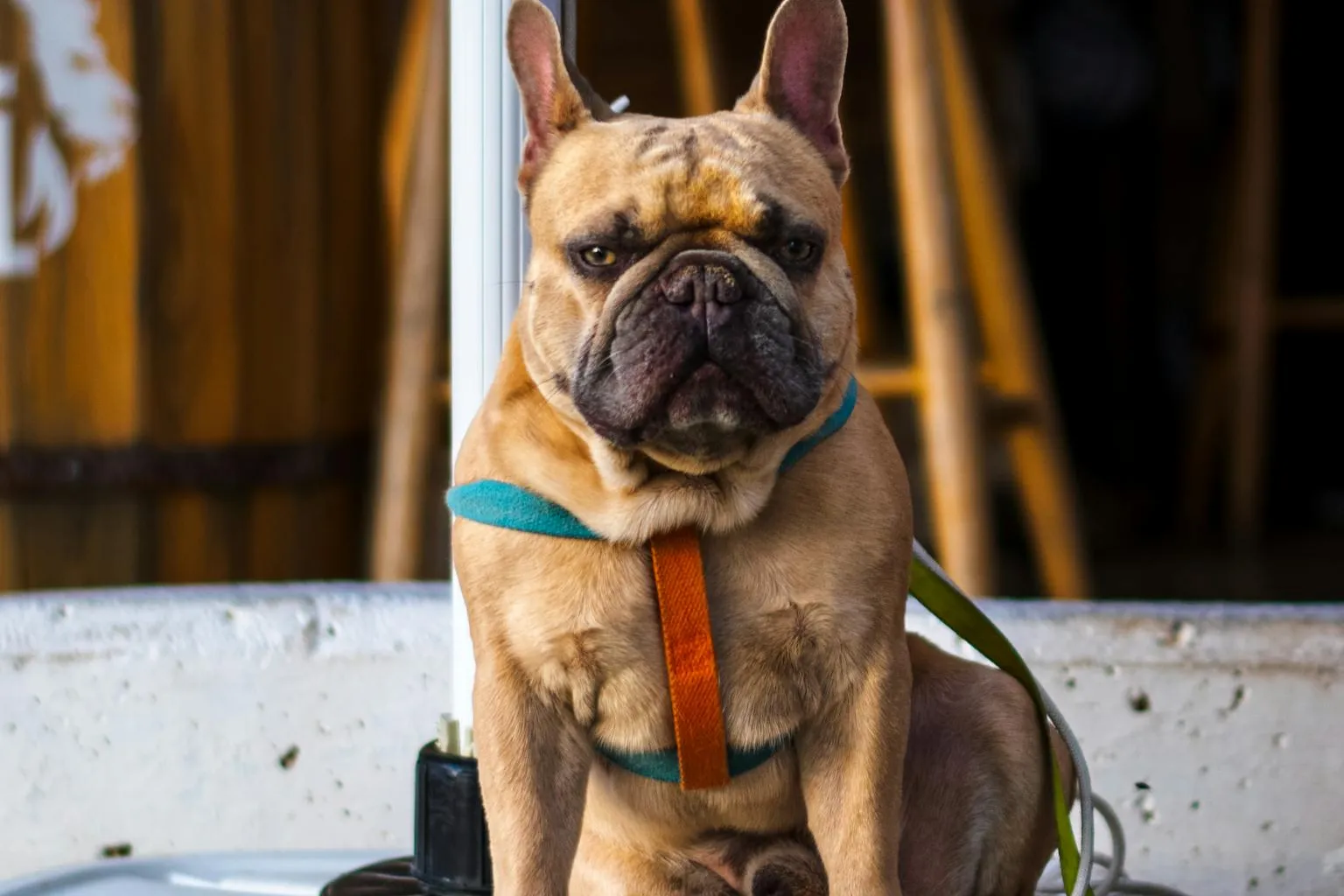
Pet-Friendly Hiking Trails and Outdoor Adventures
Austin’s trail system is one of the best in the Sun Belt for dog owners. The Complete Guide to Outdoor Recreation in Austin covers the full trail network, but here are the highlights for pet owners specifically.
Ann and Roy Butler Hike-and-Bike Trail
The 10-mile loop around Lady Bird Lake is Austin’s most popular trail. Dogs must remain leashed. The trail is paved and flat, making it suitable for all fitness levels and dog sizes. Water fountains with dog bowls are stationed along the route. Avoid the trail between noon and 4 p.m. from June through September. Pavement temperatures can reach 150 degrees, which burns paw pads in under 60 seconds.
Barton Creek Greenbelt
A must-visit for hiking enthusiasts with dogs. The Greenbelt features creeks, waterfalls, and lush vegetation across multiple trailheads. Dogs must stay leashed. Trails lead to Twin Falls and Sculpture Falls, both of which offer seasonal swimming when water levels allow. The Greenbelt is shaded and 10 to 15 degrees cooler than open parks during summer.
Shoal Creek Trail
Nearly 10 miles of trails running from Lady Bird Lake north through central Austin. Shaded by mature trees with creek access for cooling off. Dogs must be leashed but can wade in the creek at several points along the trail.
Turkey Creek Trail
A 2.5-mile loop in the Emma Long Metropolitan Park area. Well-shaded, relatively flat, and less crowded than the Greenbelt. Great for dogs that get overwhelmed by heavy foot traffic.
Summer Heat Safety
Central Texas summers are brutal for dogs. From June through September, daytime highs regularly exceed 100 degrees. Follow these rules:
- Walk before 8 a.m. or after 7 p.m. during peak summer
- Test pavement with the back of your hand. If you cannot hold it for 5 seconds, it is too hot for paws
- Bring at least 1 oz of water per pound of body weight per hour of activity
- Watch for signs of heat exhaustion: excessive panting, drooling, stumbling, vomiting
- Brachycephalic breeds (bulldogs, pugs, boxers) are at extreme risk above 85 degrees
For more on seasonal challenges, the pest control guide covers fleas, ticks, and fire ants that affect pets in the region.
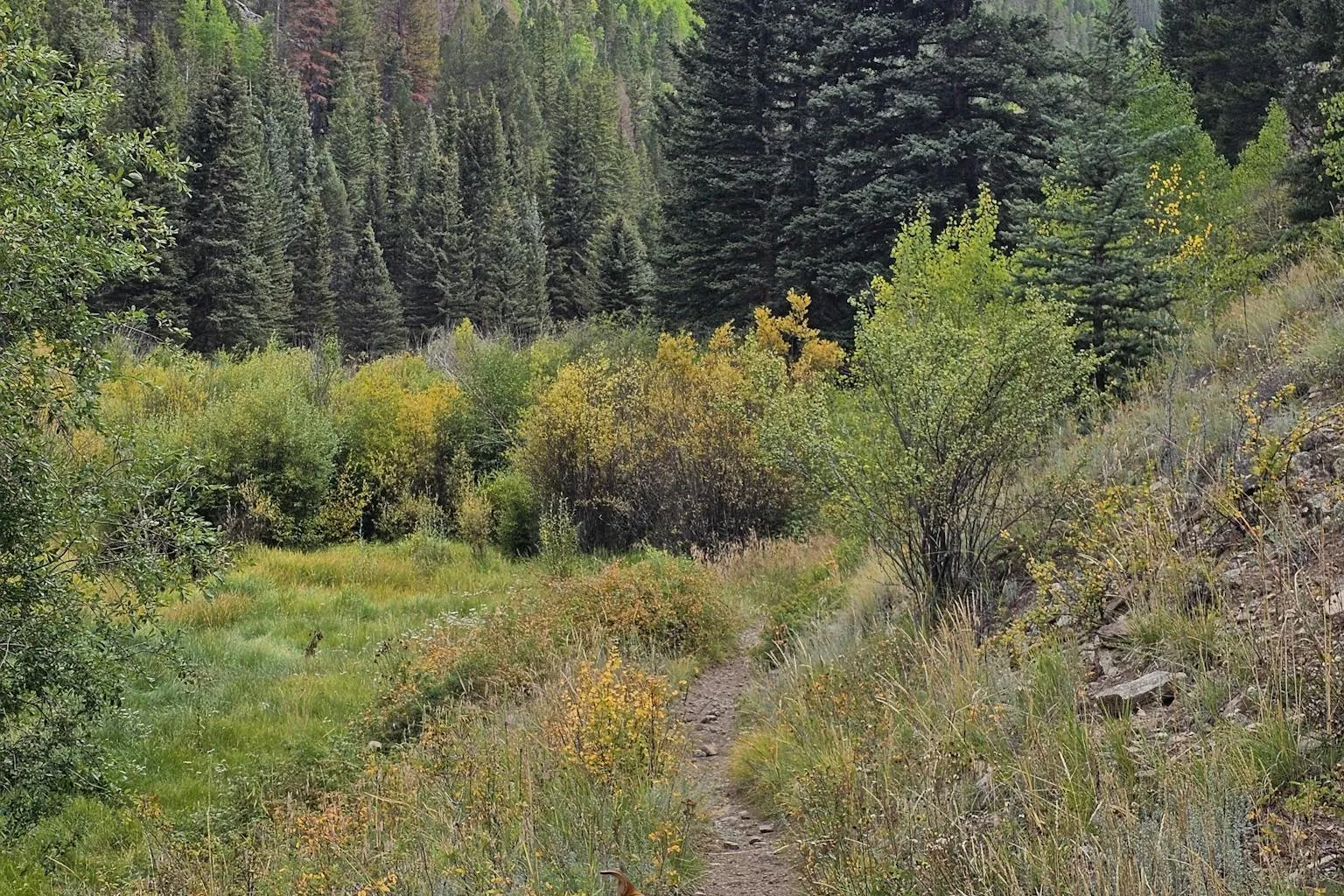
Buying a Home in Austin with Pets
Pet ownership should be a primary filter in your home search, not an afterthought. The right property for a 90-pound Labrador looks nothing like the right property for two indoor cats. Here is what to evaluate.
Yard Size and Fencing
Most Austin subdivisions built after 2000 have lots between 5,000 and 8,000 square feet, with usable backyards of 1,500 to 3,000 square feet. That is adequate for small to medium dogs but tight for larger breeds that need room to run. If yard space is a priority, look at communities in Dripping Springs, Bee Cave, and Lakeway, where half-acre and full-acre lots are more common.
Fencing matters. Cedar privacy fencing is standard in Austin (6 feet tall, typical cost $20 to $30 per linear foot installed). Wrought iron fencing looks better but allows small dogs and cats to see (and be agitated by) passing dogs and wildlife. Chain link is cheapest but least durable and least attractive for resale.
Flooring and Layout
Pet-friendly flooring is a real consideration. Luxury vinyl plank (LVP) has become the default in Austin new construction, and it is one of the best options for pet owners: waterproof, scratch-resistant, and easy to clean. Hardwood scratches easily under dog nails. Carpet traps hair and odors. Tile is durable but can be slippery for older dogs.
Layout-wise, look for homes with mudrooms or utility rooms near the back door. A transition space between the backyard and the main living area saves hours of cleaning. Homes with open floor plans work well for dogs that want to be near their owners, but they also mean a muddy dog can reach the couch in three seconds.
For more on features that matter, see Pet-Friendly Home Features That Boost Value.
Proximity to Parks and Trails
Walk Score and similar tools do not account for dog park proximity. Use Google Maps to measure the driving distance from any prospective home to the nearest off-leash area. Being within a 10-minute drive of an off-leash park increases the likelihood that you will actually use it daily. Homes within walking distance of the Butler Trail, Shoal Creek, or the Barton Creek Greenbelt command a price premium of 5% to 15%, according to Neuhaus Realty Group analysis of MLS data.
Wildlife Considerations
Austin is surrounded by Hill Country, which means wildlife encounters are a reality. Coyotes are present throughout the metro, including in established neighborhoods like Westlake, Barton Hills, and Circle C. Rattlesnakes are common in the Hill Country from April through October. Scorpions, fire ants, and feral hogs are all present in suburban and rural areas. If your dog spends significant time outdoors, consider a rattlesnake aversion training course (offered by multiple Austin trainers, typically $75 to $125 per session) and keep up with flea, tick, and heartworm prevention year-round.
HOA Pet Policies and Breed Restrictions in Austin
HOA pet policies are one of the most common surprises for Austin homebuyers. Many HOAs in the metro restrict the number, size, and breed of pets allowed. Reviewing the CC&Rs (Covenants, Conditions, and Restrictions) before making an offer is essential.
Common Restrictions
| Restriction Type | Typical HOA Policy | How Common |
|---|---|---|
| Breed bans | Pit bulls, Rottweilers, Dobermans, German Shepherds, Chow Chows, Akitas, wolf hybrids | Very common in condos and townhomes |
| Weight limits | 25 to 50 lbs maximum | Common in condos, rare in single-family |
| Number limits | 1 to 2 pets per household | Common across all HOA types |
| Leash requirements | Leashed at all times in common areas | Nearly universal |
| Waste cleanup | Immediate pickup required, fines for violations | Universal |
| Noise complaints | Barking restrictions, typically 3 complaints triggers action | Common |
Condo communities in downtown Austin and The Domain area tend to have the strictest policies, often capping pets at 25 pounds with breed restrictions. Single-family home HOAs in suburban communities like Cedar Park, Round Rock, and Pflugerville are generally more lenient, though breed bans still appear in many CC&Rs.
Service Animals and Emotional Support Animals
The federal Fair Housing Act requires HOAs to make reasonable accommodations for individuals with disabilities who need service animals or emotional support animals. Under this law, HOAs cannot enforce breed bans, weight limits, pet deposits, or numerical limits against qualified service animals or ESAs. This applies to both rental and owned properties within HOA communities.
For a deeper dive into HOA regulations, see the Complete Guide to HOAs in Austin.
Renting with Pets in Austin
Austin’s rental market is friendlier to pet owners than most cities, with 77% of rentals accepting pets compared to the national average of 55%. But “pet-friendly” comes with costs and fine print.
Typical Pet Fees
| Fee Type | Typical Range | Refundable? |
|---|---|---|
| Pet deposit | $200 to $500 | Yes |
| Non-refundable pet fee | $100 to $600 | No |
| Monthly pet rent | $25 to $50 per pet | No |
Texas law does not cap pet deposits or fees, giving landlords significant discretion. Expect to pay a pet deposit ($200 to $500) plus monthly pet rent ($25 to $50 per pet) at most apartment communities. For a two-dog household, that adds $600 to $1,200 per year to your housing costs.
Breed Restrictions in Rentals
Breed restrictions are more common in apartment complexes than in single-family home rentals. The most frequently restricted breeds include pit bulls, Rottweilers, Doberman Pinschers, German Shepherds, Chow Chows, Akitas, Siberian Huskies, Alaskan Malamutes, and wolf hybrids. Mixes of these breeds are typically restricted too.
Private landlords renting single-family homes tend to be more flexible. If your pet has a clean record (no bite history, up-to-date vaccinations, references from previous landlords), many private owners will waive breed restrictions. A “pet resume” with photos, vet records, and a letter from a previous landlord can make the difference.
Service Animals and ESAs
Landlords cannot charge pet deposits, pet rent, or any additional fees for service animals or emotional support animals under the Fair Housing Act. They also cannot deny housing based on breed or size. Misrepresenting a pet as a service animal or ESA, however, is a Class B misdemeanor in Texas under HB 4164.
Pet Insurance in Texas: What Austin Owners Pay
Veterinary costs in Austin have risen alongside the city’s overall cost of living. Pet insurance helps manage the risk of a $3,000 ACL surgery or a $5,000 cancer diagnosis. Here is what Austin pet owners typically pay.
Most Austin dog owners with pet insurance pay between $20 and $70 per month, depending on breed, age, coverage level, and deductible. Cat owners pay $10 to $30 per month. Annual premiums range from $238 for young pets to $2,357 for senior pets. Standard coverage includes accidents and illnesses, with optional add-ons for wellness visits, dental cleanings, and prescription medications.
Coverage works on a reimbursement model: you pay the vet bill upfront, submit a claim, and receive reimbursement (typically 70% to 90% of covered costs after the deductible). Pre-existing conditions are excluded by every major carrier.
Breeds with known health issues cost more to insure. French Bulldogs, the third most popular breed in Austin, are among the most expensive to insure due to respiratory and spinal problems. Labrador Retrievers and Golden Retrievers are moderately priced, with ACL injuries and hip dysplasia being the most common claims.
Veterinary Care in Austin
Austin has a dense network of veterinary clinics, with concentrations in every major neighborhood. The city supports multiple 24-hour emergency veterinary hospitals, which is critical for pet owners.
Emergency Veterinary Hospitals
- Austin Veterinary Emergency and Specialty Center (AVES) in South Austin and North Austin locations
- Emergency Pet Care of Texas with multiple locations across the metro
- Texas A&M Veterinary Medical Teaching Hospital in College Station (2 hours) for complex referral cases
Specialty and Holistic Care
Austin’s pet culture supports a wide range of specialty practices: veterinary oncology, orthopedic surgery, dermatology, cardiology, acupuncture, chiropractic, and rehabilitation therapy. This level of specialty access is unusual for a city Austin’s size and reflects the area’s willingness to invest in pet healthcare.
Low-Cost Veterinary Options
For budget-conscious pet owners, several options exist:
- Emancipet: nonprofit low-cost veterinary clinic with multiple Austin locations. Spay/neuter, vaccinations, microchipping, and basic wellness at reduced rates
- Austin Humane Society clinic: reduced-cost spay/neuter and vaccinations
- Austin Pets Alive! clinics: low-cost services for adopted animals
- Thrive Affordable Vet Care: inside Petco locations, offering wellness plans starting at $20/month
Dog Daycare and Boarding in Austin
Austin’s dog daycare and boarding market is competitive, with options ranging from basic kennel stays to luxury pet resorts. Pricing runs about 5% above the Texas average.
Cost Ranges
| Service | Price Range | Notes |
|---|---|---|
| Overnight boarding (standard) | $33 to $50/night | Kennel run, outdoor time, feedings |
| Overnight boarding (premium) | $50 to $70/night | Suite, webcam, extra play sessions |
| Full-day daycare | $30 to $45 | Supervised group play, 7+ hours |
| Half-day daycare | $20 to $35 | Typically 4 to 5 hours |
| In-home pet sitting | $50 to $85/night | Sitter stays in your home |
| Dog walking (30 min) | $15 to $25 | Per walk, per dog |
Notable Facilities
Taurus Academy combines daycare, boarding, and training at multiple Austin locations. Their trainers use positive reinforcement methods, and dogs in daycare get structured play sessions rather than just cage-free chaos.
Dogtopia operates several Austin locations with webcams, report cards, and separate play areas by size and temperament. Monthly unlimited daycare packages run $400 to $500.
The Tailgate ATX in North Austin spans 1.6 acres with separate dog parks, what the facility calls Texas’s largest dog splash pad, private cabanas with TVs and fenced-in dog areas, and a full-service sports bar. It blurs the line between daycare and entertainment venue.
Work and Woof combines a coworking space with dog daycare. You work at a desk while your dog plays in the adjacent indoor/outdoor area. Monthly memberships start around $350 for both coworking and daycare access.
Austin’s No-Kill Shelter Network: Adoption and Fostering
Austin became the largest no-kill city in the nation in 2011, and it has maintained that status for 15 years. The city’s overall shelter save rate consistently exceeds 95%, a number that would be impossible without a deep partnership between municipal shelters and nonprofit organizations.
Key Organizations
Austin Animal Center is the city’s municipal shelter and the largest no-kill animal shelter in the country, sheltering more than 18,000 animals each year. On any given day, more than 500 animals need homes. Adoption fees are typically $0 to $75 and include spay/neuter, microchip, and initial vaccinations.
Austin Pets Alive! (APA!) has saved over 120,000 lives since 2008 by pulling the most at-risk animals from the city shelter. In 2025, APA! achieved 5,124 cat adoptions (974 more than 2024), placed over 5,600 animals in foster homes, and reduced the average length of stay by 28%. Their neonatal kitten program cared for 2,638 kittens with a 92% save rate. The PASS (Positive Alternatives to Shelter Surrender) program fielded more than 6,000 assistance requests from Central Texas pet owners in 2025.
Austin Humane Society, in operation since 1952, is the city’s largest nonprofit no-kill shelter. They focus on adoption, spay/neuter, and community education programs.
Fostering
Foster volunteers are the backbone of Austin’s no-kill success. APA! alone placed over 5,600 animals in foster homes in 2025. Fostering is free (the organization covers food, medical care, and supplies) and ranges from a few days to several months. It is an excellent option for people who want to test pet ownership before committing, or who want to contribute to the no-kill mission without permanently adding to their household.
Best Austin Neighborhoods for Pet Owners
Not all neighborhoods are equally pet-friendly. Yard size, trail access, HOA policies, and proximity to dog parks vary significantly. Here is a neighborhood-by-neighborhood breakdown for pet owners.
Best for Off-Leash Access
Barton Hills / Zilker: Walking distance to Zilker Park’s off-leash area and the Barton Creek Greenbelt. Smaller lots (5,000 to 7,000 sq ft) but unbeatable trail access. Median home prices range from $650,000 to $900,000.
Tarrytown: Close to West Austin Park (fenced dog park) and Red Bud Isle. Tree-lined streets, generous lots by central Austin standards. Median around $1.2M to $1.5M.
Best for Large Dogs and Acreage
Dripping Springs: Half-acre to multi-acre lots are the norm. Minimal HOA restrictions in many communities. Rural feel with median prices around $550,000. Dogs can roam freely on your own property.
Spicewood: Lake Travis access, large lots, rural character. Many properties have no HOA at all. Median around $500,000.
Best for Walkability with a Dog
Mueller: Master-planned community in East Austin with wide sidewalks, pocket parks, and the Mueller Lake Park with a dedicated dog run. Compact lots but excellent pedestrian infrastructure.
Hyde Park: One of Austin’s most walkable neighborhoods with mature trees, sidewalks, and proximity to Shoal Creek Trail. Vintage homes with varied lot sizes. Strong community of dog walkers.
Best for Suburban Dog Owners
Cedar Park: Community north of Austin with multiple neighborhood parks, dog-friendly trails along Brushy Creek, and generally permissive HOA pet policies. Median home prices around $425,000 make it one of the more affordable pet-friendly options.
Round Rock: Similar suburban character to Cedar Park with good park access and moderate HOA restrictions. The median price around $400,000 includes most 6,000 to 8,000 square foot lots with fenced backyards.
For more neighborhood detail, see the Complete Guide to Austin Neighborhoods by Lifestyle.
Seasonal Pet Safety in Central Texas
Central Texas presents unique seasonal hazards for pets that differ significantly from other parts of the country.
Summer (June Through September)
- Heat exhaustion: The #1 pet emergency in Austin. Never leave a dog in a parked car, even with windows cracked. Interior temperatures reach 140 degrees within 30 minutes
- Hot pavement: Asphalt reaches 150+ degrees on 100-degree days. Walk on grass or use dog booties
- Blue-green algae: Toxic cyanobacteria in Lady Bird Lake and other waterways. Can kill a dog within hours of ingestion. Check city alerts before any water activities
- Rattlesnakes: Western diamondbacks are active April through October, especially in Hill Country areas
Fall and Winter (October Through February)
- Cedar fever season (December through February): Cedar pollen counts in the Hill Country are among the highest in the world. Dogs can develop allergies to mountain cedar, presenting as itchy skin, red eyes, and sneezing
- Freeze events: Rare but dangerous. The February 2021 winter storm killed pets across the state. Bring outdoor pets inside when temperatures drop below 32 degrees and ensure heated water access
Year-Round
- Fleas and ticks: Active 12 months in Central Texas. Year-round prevention is mandatory, not seasonal
- Heartworm: Mosquito-borne, active year-round in Texas. Monthly or annual prevention recommended by every Austin vet
- Fire ants: Prevalent across the region. Ant mound contact can cause severe allergic reactions in dogs. Treat your yard regularly
- Coyotes: Present throughout the metro. Small dogs and cats should not be left outside unsupervised, especially at dawn and dusk
The Complete Guide to Home Maintenance in Central Texas includes yard care and pest prevention strategies relevant to pet owners.
Livestock and Rural Pets on Hill Country Property
If you are buying acreage in the Hill Country, the pet conversation extends beyond dogs and cats. Many rural Austin-area properties support chickens, goats, miniature donkeys, and horses. A few things to know:
- City limits vs. ETJ vs. unincorporated: Austin city limits restrict livestock on lots under 5 acres (with some exceptions for chickens). Properties in the ETJ or unincorporated Hays, Travis, or Williamson counties generally have no livestock restrictions.
- Agricultural exemptions: Properties with livestock may qualify for agricultural (ag) exemptions on property taxes, reducing the tax burden significantly. A minimum of 5 to 10 acres and active agricultural use (grazing, breeding) is typically required.
- Fencing requirements: Texas is a “fence out” state for cattle but most subdivisions with deed restrictions require perimeter fencing. Five-strand barbed wire or pipe fencing is standard for livestock.
- Well and septic: Rural properties with animals need adequate water supply and appropriate waste management. See the Complete Guide to Well Water and Septic Systems for details.
Pet-Friendly Home Features That Affect Resale Value
Pet-related home features can either boost or hurt your home’s value when it is time to sell. According to the National Association of Realtors, 81% of buyers consider their pets’ needs when choosing a home. Here is what adds value and what detracts.
Features That Add Value
- Fenced backyard: Almost universally positive. Cedar privacy fencing adds $3,000 to $8,000 to a home’s value depending on lot size
- Dog door: Modestly positive, especially in houses with covered patios
- Mudroom or pet washing station: Increasingly popular in Austin new construction. A built-in dog wash in the garage or mudroom is a selling point
- LVP or tile flooring: Preferred over carpet or hardwood by pet-owning buyers
- Proximity to dog parks and trails: Homes within a 10-minute walk of off-leash areas command premiums
Features That Hurt Value
- Pet odor in carpet or subfloor: The single biggest pet-related value killer. Urine-soaked subfloor can require full replacement ($2,000 to $5,000 or more)
- Damaged doors, trim, or drywall: Chew damage and scratch marks signal deferred maintenance to buyers
- Excessive pet hair: Not permanent damage but hurts showing impressions. Deep clean before listing
- Cat urine odor: Even harder to remove than dog urine. May require enzyme treatment, primer sealing, and flooring replacement
For renovation ideas that add value, see the Complete Guide to Home Renovations That Add Value in Austin.
Frequently Asked Questions
Getting Started with Pet-Friendly Living in Austin
Austin’s pet-friendly culture is not a trend. It is woven into the city’s identity, from the no-kill shelter network to the bars that serve dog menus, from the 350-acre off-leash park at Zilker to the coworking spaces where you can bring your dog to the office. Whether you are relocating with pets, adopting your first dog, or upgrading to a home with a bigger yard, the infrastructure and community support exist here at a level that few other American cities can match.
The key to making it work is choosing the right home in the right neighborhood. HOA policies, lot sizes, trail proximity, and wildlife exposure vary dramatically within the metro. Ed Neuhaus and the team at Neuhaus Realty Group help pet owners match their specific needs to the right community, whether that means a fenced yard in Cedar Park for two rescue dogs or a half-acre in Dripping Springs for horses and chickens. If your pets are part of your buying criteria, they should be part of the conversation from day one.
For those just starting the process, the Moving with Pets to Austin guide covers the logistics of the move itself, from vet record transfers to pet-friendly temporary housing. And for a broader overview of the Austin lifestyle, the Complete Guide to Moving to Austin is the best starting point.