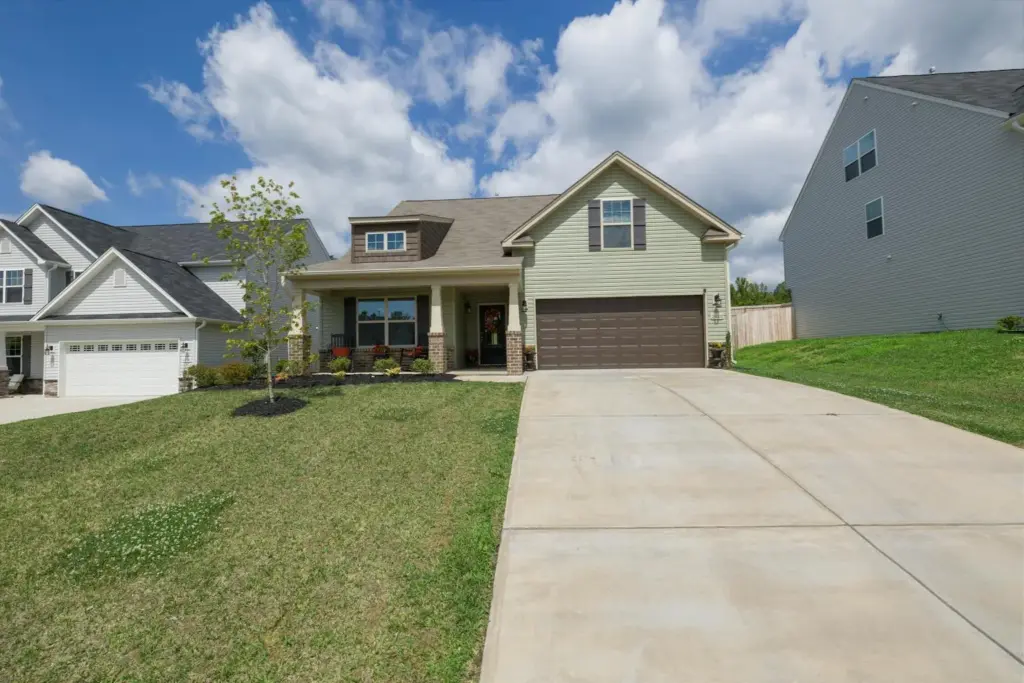
What It Costs to Build a Custom Home in Austin Right Now
Building a custom home in Austin costs between $325 and $500 per square foot in 2026, putting a 3,000-square-foot home in the $975,000 to $1.5 million range for construction alone. Add land, permits, site work, and financing costs, and the total investment typically runs $1.2 million to $2.5 million depending on location and finish level. Those numbers have climbed roughly 8% since 2024, driven by labor shortages, tariff-driven material increases, and rising land prices across the Hill Country.
This guide walks through every phase of building a custom home in Austin: finding land, choosing an architect and builder, navigating financing, surviving the permit process, managing construction, and avoiding the mistakes that turn dream builds into budget nightmares. Whether you are building on acreage in Dripping Springs or a lot in Westlake, the process follows the same arc, and the more you understand before breaking ground, the smoother that arc will be.
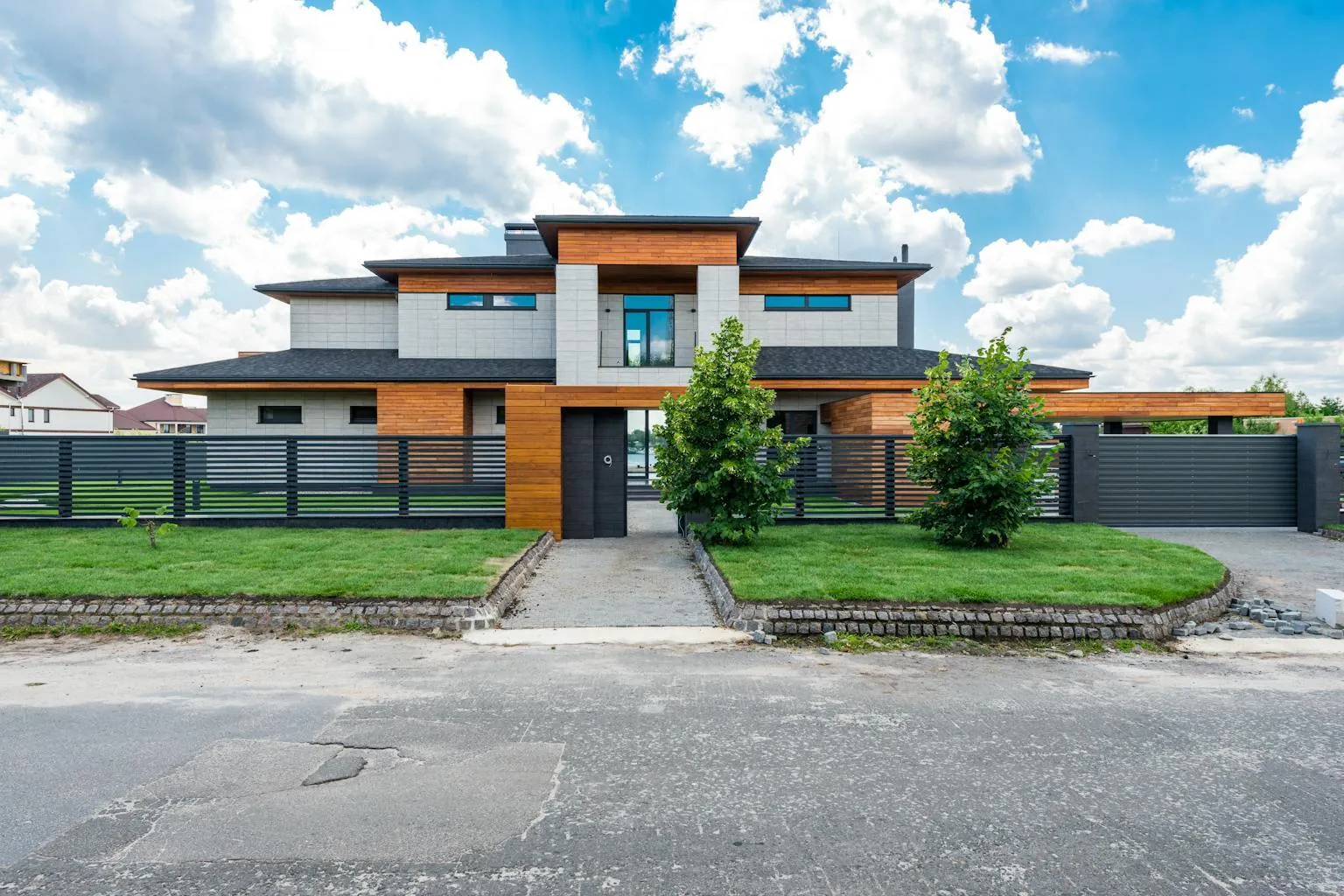
Custom Home vs. Production Build: What Is Actually Different
Before committing to a custom build, it helps to understand what separates the three main categories of new construction in Austin.
| Build Type | Cost Per Sqft | Design Control | Timeline | Best For |
|---|---|---|---|---|
| Production (KB, Meritage, Lennar) | $175-$225 | Limited floor plans, preset options | 6-9 months | Budget-conscious buyers wanting new |
| Semi-Custom (Perry, Toll Brothers) | $225-$325 | Modified floor plans, wider selections | 8-12 months | Buyers wanting some personalization |
| Full Custom | $325-$500 | Complete design freedom | 14-20 months | Buyers with specific vision and land |
| Luxury Custom | $500-$1,500+ | Bespoke everything, architect-designed | 18-30+ months | High-end buyers, unique sites |
A production home offers speed and predictability. You pick a floor plan, choose from a menu of finishes, and move in eight months later. A full custom build starts with a blank page. You control the floor plan, the orientation on the lot, the ceiling heights, the window placement, the materials, and every detail down to the outlet placement. That freedom comes with complexity, longer timelines, and higher costs, but the result is a home built around how you actually live.
For a deeper comparison of production builders and master-planned communities, see the Complete Guide to New Construction Homes in Austin. This guide focuses specifically on the full custom and luxury custom path.
How Much Does It Actually Cost? The Full Budget Breakdown
The per-square-foot number is just one piece of the total cost. A realistic custom home budget in Austin breaks down roughly like this:
| Category | % of Total | $1.5M Budget | $2.5M Budget | What It Covers |
|---|---|---|---|---|
| Land | 25-35% | $375K-$525K | $625K-$875K | Lot purchase, closing costs |
| Hard Construction | 45-55% | $675K-$825K | $1.13M-$1.38M | Foundation, framing, roofing, MEP, finishes |
| Soft Costs | 8-12% | $120K-$180K | $200K-$300K | Architect, engineer, permits, surveys, soil tests |
| Site Work | 5-10% | $75K-$150K | $125K-$250K | Grading, utilities, driveway, rock removal |
| Contingency | 5-10% | $75K-$150K | $125K-$250K | Change orders, surprises, upgrades |
Hill Country building sites add costs that flat suburban lots do not. Limestone rock removal runs $20,000 to $60,000 or more. A 500-foot driveway cut through Hill Country terrain can cost $30,000 to $100,000. Well drilling ranges from $15,000 to $40,000, and aerobic septic systems run $10,000 to $30,000 in areas without municipal utilities. Impact fees in some Austin-area municipalities add another $5,000 to $25,000.
Then there are the costs nobody warns you about. Construction loan interest during a 12-month build adds $40,000 to $80,000 to the total. Temporary housing while your home is under construction runs $2,000 to $6,000 per month. And the 2026 tariff environment is adding $10,000 to $25,000 to most Austin custom builds, according to the National Association of Home Builders, with the heaviest impact on Canadian lumber, steel, and imported stone. For more detail on how tariffs affect new builds, read How Tariffs Could Make Your Austin New Build More Expensive.
For a detailed cost-per-square-foot breakdown by finish level and area, see Custom Home Building Costs in Austin 2026.
Finding the Right Land
Land is where most custom builds start, and it is often where the biggest mistakes happen. A beautiful lot with a view can hide $100,000 in unexpected site work. Before you fall in love with a piece of property, run it through this checklist.
What to Evaluate Before Buying a Lot
- Zoning and building restrictions. Inside Austin city limits, zoning dictates setbacks, lot coverage, impervious cover limits, and building height. In the Barton Springs Zone, impervious cover is capped at 15-25%. Many Hill Country subdivisions have architectural review committees with strict rules about materials, colors, and building envelopes.
- Slope and topography. Sloped lots require engineered foundations, retaining walls, and often rock removal. A geotechnical report ($3,000 to $8,000) is essential before purchasing any lot with significant grade changes.
- Utilities. Verify water, sewer, electricity, gas, and internet availability. Rural lots may need a well, septic system, and propane, adding $25,000 to $70,000 to your budget. See the Complete Guide to Well Water and Septic Systems for the full rundown.
- Flood zone status. Check FEMA flood maps and the City of Austin flood atlas. Building in a floodplain adds engineering requirements, insurance costs, and potential permitting delays.
- Soil conditions. Austin sits on expansive clay soils (Taylor Black Clay can shrink 30% or more in drought) and limestone bedrock. Both affect foundation design and cost. For more on this, see the Complete Guide to Foundation Issues in Texas.
- Heritage trees. Austin’s heritage tree ordinance protects trees with a trunk diameter of 19 inches or more (24 inches for some species). Fines run up to $100,000 per tree, and removal permits are rarely granted. A tree survey before purchase is non-negotiable inside city limits.
- Access and road conditions. Confirm legal access to the property. Some rural lots have shared road maintenance agreements that require annual contributions.
For a comprehensive walkthrough of the land-buying process in this region, the Complete Guide to Buying Land in the Texas Hill Country covers water rights, mineral rights, ag exemptions, deed restrictions, and financing raw land.
Choosing Your Build Path: Architect + Builder vs. Design-Build
There are two primary approaches to building a custom home, and the one you choose affects cost, timeline, and how much control you have over the process.
Traditional: Architect + Separate Builder
You hire an architect to design your home, then bid the plans to multiple builders. The architect works for you and acts as your advocate during construction, reviewing the builder’s work and approving changes.
Pros: Maximum design creativity, competitive bidding keeps costs in check, independent oversight during construction.
Cons: Longer timeline (design is complete before bidding starts), potential disconnect between design intent and builder capabilities, architect fees add 8-15% to construction costs.
This approach works best for architecturally ambitious homes, complicated sites, and homeowners who want their design vision executed precisely. Architect fees in Austin typically run $15,000 to $60,000 for a residential custom home, depending on the size and complexity.
Design-Build: Integrated Team
A single firm handles both design and construction. The architect (or in-house designer) and builder collaborate from day one, aligning design decisions with budget and constructability in real time.
Pros: Faster timeline (design and pre-construction overlap), fewer change orders because the team that designs also builds, single point of accountability, budget alignment from the start.
Cons: Less competitive pricing (no bidding process), design may be influenced by builder preferences, potential conflict of interest since the builder is overseeing their own work.
Design-build firms in Austin often reduce timelines by four to eight weeks compared to the traditional approach. This model is ideal for homeowners who want a streamlined process and are comfortable trusting one firm to manage the entire project. Prominent Austin-area design-build firms include Jenkins Design Build, Jauregui Architecture Interiors Construction, and Arbogast Custom Homes, among many others.
How to Choose a Custom Home Builder in Austin
The builder is the single most important decision in the entire process. A great architect’s plans can be ruined by a mediocre builder, and an experienced builder can elevate a good design into something exceptional.
What to Look For
- Portfolio alignment. Tour completed homes similar in size, style, and price range to yours. A builder who specializes in $600,000 production customs is not the right fit for a $3 million architect-designed home, and vice versa.
- Financial stability. Request a bank reference letter. Custom builds require the builder to float significant material and labor costs between draws. Builders who are cash-strapped cut corners or go bankrupt mid-project.
- Subcontractor relationships. The best builders have long-term relationships with their subcontractor crews. Ask how long their framing crew, electrician, and plumber have been working with them. Five years or more is a good sign.
- Communication style. You will be in close contact with your builder for 12 to 18 months. Weekly updates, a project management portal, and responsive communication are not luxuries. They are requirements.
- Warranty. Texas law no longer mandates a statutory warranty, but reputable builders provide a 10-year structural warranty on new construction. Most reputable builders offer a 1-year bumper-to-bumper warranty covering all systems and finishes, a 2-year mechanical warranty (HVAC, plumbing, electrical), and a 10-year structural warranty. Get it in writing.
10 Questions to Ask Every Builder
- How many custom homes have you completed in the last three years?
- Can I tour a home currently under construction and one recently completed?
- What is your average cost per square foot for homes in my price range?
- Do you use a fixed-price contract or cost-plus? What are the terms?
- How do you handle change orders, and what is your markup?
- What project management tools do you use, and how often will I receive updates?
- Can I speak with three recent clients (not just your favorites)?
- How do you handle allowances, and how realistic are the amounts in your contracts?
- What is your current schedule, and when could you start my project?
- What happens if you go over budget or over schedule?
Check the builder’s license status and complaint history with the Texas Real Estate Commission (TREC). Also search the Texas Secretary of State for any business filings and check for liens or lawsuits in the county records.
The Design Process: From Concept to Construction Drawings
Design is where the excitement happens, and where budgets start to drift if you are not disciplined. The process follows a predictable sequence, whether you are working with an independent architect or a design-build firm.
Programming and Schematic Design (4-8 Weeks)
Your architect interviews you about how you live: daily routines, entertaining habits, work-from-home needs, storage preferences, aging-in-place considerations, and aesthetic tastes. The output is a preliminary floor plan and massing study showing how the home sits on the lot.
At this stage, decisions about orientation matter enormously. In Austin, south-facing windows catch winter sun while overhangs block summer heat. East-facing primary bedrooms get morning light. West-facing glass without protection means brutal afternoon heat from May through September.
Design Development (4-8 Weeks)
The schematic becomes detailed. Interior and exterior elevations take shape. Structural systems are defined. Mechanical, electrical, and plumbing (MEP) layouts are drafted. Material selections begin. The architect coordinates with structural and civil engineers.
Construction Documents (4-8 Weeks)
This is the permit-ready set of drawings. Every dimension, detail, specification, and note needed to build the home is documented. A complete set of construction documents for a custom home in Austin typically runs 30 to 60+ sheets. Incomplete documents are the number one reason for permit delays and construction change orders.
Interior Design
Many custom home builders in Austin recommend hiring an interior designer early in the process, ideally during schematic design. The designer helps with finish selections (flooring, countertops, tile, fixtures, hardware, paint), lighting plans, built-in cabinetry, and furniture layouts. Interior design fees typically run $15,000 to $50,000+ depending on the scope. This investment pays for itself by reducing change orders and ensuring selections are coordinated before construction begins.
Financing Your Custom Home Build
Custom home financing is more complex than a standard mortgage. You cannot get a traditional 30-year fixed loan for a house that does not exist yet. Here is how the financing options work.
Construction-to-Permanent Loan (One-Time Close)
This is the most popular option. You close once, make interest-only payments during construction, and the loan automatically converts to a permanent mortgage when the home receives its certificate of occupancy.
- Down payment: 20-30% of total project cost (land + construction)
- Credit score: 680+ for conventional, 580+ for FHA
- Interest during construction: You pay interest only on the amount drawn, not the full loan. At current rates of 7-8%, expect $4,000 to $8,000 per month once 60-70% of funds are drawn.
- Construction period: Typically 9-12 months, with one extension option
- Advantage: One closing, one set of closing costs, rate is locked at the start
Two-Close Construction Loan
A separate construction loan funds the build, then you refinance into a permanent mortgage at completion. This means two sets of closing costs and requalification, but it allows you to shop for the best permanent rate when the home is finished.
FHA and VA Construction Loans
FHA one-time-close loans allow 3.5% down with credit scores as low as 580, making custom building accessible to more buyers. VA one-time-close loans offer 0% down for eligible veterans. Both programs are available in Texas but require lenders who specialize in government construction lending. For more on VA lending, see the Complete Guide to VA Home Loans in Austin.
Land Loans
If you buy the lot before you are ready to build, you will need a land loan. These typically require 20-50% down, carry higher interest rates (7-10%), and have shorter terms (5-15 years). Some buyers use a HELOC on their existing home to purchase land, then roll it into the construction loan when building starts. For more on this approach, see the Complete Guide to Getting a Mortgage in Austin.
Austin-Area Construction Lenders
Local lenders who understand Austin’s construction market include UFCU, Amplify Credit Union, Texas Farm Credit (for rural properties), and regional mortgage companies like Mission Mortgage and Austin Capital Mortgage. Working with a lender who has closed construction loans in your specific area speeds up the appraisal and draw process significantly.
The Austin Permit Process
Austin’s permitting system has a reputation for complexity, and that reputation is earned. Understanding the process before you submit saves weeks of delays.
How Permitting Works
All residential permits are submitted through Austin Build + Connect (AB+C), the city’s online permitting portal. The Residential Plan Review Division reviews new construction for compliance with the 2024 International Residential Code (adopted effective July 10, 2025), the Land Development Code (Chapter 25-2), and local technical code amendments.
Standard review runs 60 to 120 days.
What Causes Delays
- Incomplete submissions. Missing documents are the single biggest delay. Ensure your engineer’s site plan, tree survey, drainage plan, and energy compliance documents are included at initial submission.
- Barton Springs Zone. Properties in the Barton Springs Zone face additional environmental review, including water quality controls and impervious cover calculations.
- Heritage trees. If your site plan affects heritage trees, expect an additional review layer.
- HOA architectural review. Communities like Spanish Oaks, Barton Creek, and Rough Hollow require HOA approval before city permits, adding 4 to 12 weeks to the front end.
Expedited Review
Austin offers a Residential Expedited Plan Review process for projects that meet certain criteria. As of February 2026, the city also launched an AI Pre-Check beta (powered by Archistar) for standard residential building plan review, which can flag common compliance issues before formal submission. Ask your builder or architect whether your project qualifies for expedited review.
Building Outside Austin City Limits
Permits in unincorporated Travis, Hays, and Williamson County areas are typically faster (4 to 8 weeks) with fewer restrictions. However, you trade speed for infrastructure: no municipal water or sewer, potentially limited fire protection, and less regulatory oversight on neighboring development. Cities like Bee Cave, Lakeway, and Dripping Springs each have their own permitting processes, fees, and timelines.
Construction Timeline: What to Expect Month by Month
A typical Austin custom home build takes 14 to 20 months from the first meeting with your architect to the day you move in. Here is how that time breaks down.
| Phase | Duration | Key Activities |
|---|---|---|
| Programming and Schematic Design | 1-2 months | Interviews, site analysis, preliminary floor plans |
| Design Development | 1-2 months | Detailed plans, MEP layout, material selections begin |
| Construction Documents | 1-2 months | Permit-ready drawings, engineering, specifications |
| Permitting | 2-4 months | City review, revisions, approval (Austin city); 4-8 weeks outside city |
| Site Preparation | 2-4 weeks | Clearing, grading, utility trenching, foundation prep |
| Foundation | 2-4 weeks | Pier drilling or slab pour, waterproofing, curing |
| Framing | 4-6 weeks | Walls, roof structure, windows, exterior doors |
| MEP Rough-In | 3-4 weeks | Plumbing, electrical, HVAC ductwork, low-voltage wiring |
| Insulation and Drywall | 3-4 weeks | Spray foam or batt insulation, sheetrock, texture, prime |
| Finishes | 6-10 weeks | Flooring, cabinets, countertops, tile, paint, fixtures, trim |
| Final Systems | 2-3 weeks | HVAC startup, electrical trim, plumbing fixtures, appliances |
| Punch List and CO | 2-4 weeks | Touch-ups, final inspections, certificate of occupancy |
| Landscaping | 2-4 weeks | Irrigation, plantings, hardscape, pool (if applicable) |
Weather is a wild card in Central Texas. Extended rain delays foundation work and framing. Austin averages 34 inches of rainfall per year, with the heaviest months in May and October. Summer heat slows exterior work, with crews often starting at 6 AM and finishing by 2 PM from June through August. Smart builders pad their schedules by 10-15% for weather delays.
Inspections During Construction
City inspections happen at specific milestones throughout the build. Your builder schedules these through the AB+C portal. The primary inspection points for a custom home include:
- Foundation. Before the concrete pour, inspectors verify rebar placement, form dimensions, and drainage.
- Framing. After the structure is up but before insulation, inspectors check structural connections, shear walls, and roof framing.
- Mechanical, Electrical, Plumbing (MEP) rough-in. Before walls are closed, all wiring, plumbing lines, and HVAC ductwork are inspected.
- Insulation and energy compliance. Austin requires a blower door test verifying no more than 7 air changes per hour at 50 Pascals, per the adopted 2024 IECC with local amendments.
- Final inspection. Everything from smoke detectors to garage door safety to grading and drainage. A passed final inspection triggers the Certificate of Occupancy.
Independent Inspections
Beyond city inspections, consider hiring an independent inspector at three critical stages: pre-pour (foundation), pre-drywall (framing and MEP), and final. These inspections cost $300 to $800 each and catch issues that municipal inspectors, who check for minimum code compliance only, may not flag. For more on what inspectors look for, see the Complete Guide to Home Inspections in Austin.
Selections, Allowances, and the Budget Trap
Selections are the finishes and fixtures that make your house feel like your home: flooring, countertops, tile, cabinets, hardware, lighting, plumbing fixtures, appliances, and paint colors. They are also where budgets blow up.
How Allowances Work
Most builder contracts include “allowances” for finish categories. An allowance of $5,000 for kitchen countertops means the builder has budgeted $5,000 for that item. If your selection costs $8,000, you pay the $3,000 difference (plus markup). If it costs $3,500, you get a $1,500 credit.
The problem: many builders set unrealistically low allowances to make the contract price look competitive. A $500 allowance for a kitchen faucet sounds reasonable until you realize the fixtures you want start at $800. Multiply that pattern across 50+ selection categories and you are looking at $50,000 to $100,000 in overages.
How to Protect Yourself
- Price-check every allowance against actual costs at local suppliers before signing the contract. Visit showrooms and get real quotes.
- Hire an interior designer before signing. A designer can create a selections package with real pricing, giving you an accurate baseline to compare against builder allowances.
- Ask for line-item allowances, not lump sums. A single $50,000 “finishes allowance” hides the details. Line items for countertops, flooring, tile, fixtures, hardware, and appliances give you transparency.
- Complete all selections before construction starts. Industry data shows that projects with rushed or incomplete design phases generate 10-30% in additional costs from change orders.
Change Orders: Why They Happen and How to Control Them
A change order is any modification to the original contract scope after construction begins. It can be as small as moving an outlet or as large as adding a room. Every change order adds cost (typically the material cost plus 15-25% builder markup) and potentially extends the timeline.
The Most Common Change Orders in Austin Custom Builds
- Unexpected rock. Even with a geotechnical report, Hill Country lots can surprise you with limestone shelves that require blasting or specialized removal equipment.
- Foundation upgrades. Clay soil conditions sometimes require deeper piers or additional support beyond what the engineer originally specified.
- Selection upgrades. Once you see builder-grade finishes installed in neighboring rooms, the temptation to upgrade elsewhere is strong.
- Design changes after framing. Walking through the framed house for the first time often triggers requests: “Can we make this closet bigger?” or “Can we add a window here?” These are expensive once framing is complete.
- Code-required changes. Occasionally, an inspector requires modifications that were not anticipated in the original plans.
How to Minimize Change Orders
The single best strategy is thorough pre-construction planning. Spend more time and money in the design phase, finalize every decision before breaking ground, and maintain a 10-20% contingency budget. Homeowners who rush through design to “get started faster” almost always pay more in the end.
Ed Neuhaus, broker of Neuhaus Realty Group, notes that buyers who purchase land with a clear building plan and realistic budget expectations have significantly smoother construction experiences. “The custom builds that go sideways are almost always the ones where the land purchase, the design, and the financing were not coordinated from the start.”
Energy Efficiency and Austin Energy Green Building
Austin’s energy codes are among the most aggressive in Texas, and building custom gives you the opportunity to exceed them.
Mandatory Requirements (2026)
All new residential construction in Austin must comply with the 2024 International Energy Conservation Code (IECC) with local amendments, effective July 10, 2025. Key requirements include:
- Blower door test: maximum 7 air changes per hour (ACH) at 50 Pascals
- Solar-ready construction: all new homes must be wired and structurally prepared for future solar panel installation
- High-efficiency HVAC: minimum SEER2 15 for central air conditioning
- LED lighting throughout
Going Beyond Code
The Austin Energy Green Building (AEGB) program offers a voluntary 5-star rating system for new homes. Higher ratings earn marketing distinction and demonstrate measurable energy performance. Common upgrades for custom builds include:
- Spray foam insulation ($3,000 to $8,000 premium over fiberglass) for superior air sealing
- High-performance windows (Low-E, argon-filled) that reduce cooling costs 15-25%
- Solar panels at time of construction, which is significantly cheaper than retrofit. See the Complete Guide to Solar Panels in Austin.
- Tankless water heaters or heat pump water heaters for efficiency gains
- Smart home integration for energy monitoring, automated shading, and HVAC optimization
Building to AEGB 3-star or above typically adds 2-5% to construction costs but can reduce utility bills by 30-50% annually. In Austin’s brutal summers, where HVAC systems run 8 to 12 hours per day from May through September, those savings compound quickly.
Landscaping and Outdoor Living
In Central Texas, outdoor living space is not a luxury. It is how people actually use their homes eight months of the year. Budget for landscaping separately from the construction contract, and plan for it early.
What to Budget
- Basic landscaping (irrigation, sod, foundation plantings, mulch): $20,000 to $40,000
- Mid-range outdoor living (covered patio, outdoor kitchen, fire pit, professional landscaping): $50,000 to $150,000
- Full outdoor design (pool, outdoor kitchen, landscape lighting, retaining walls, mature plantings): $100,000 to $300,000+
Use native and adapted plants. Central Texas gets 34 inches of rain annually, but drought conditions are common, and Austin’s water restrictions limit irrigation. Native plants like Texas sage, Mexican feathergrass, blackfoot daisy, and Salvia greggii thrive with minimal supplemental water once established. Ask your landscape architect about xeriscaping strategies that keep water bills under control.
If you are building a pool, plan the location during the home design phase. Pool construction costs $40,000 to $100,000+ in Austin and takes 8 to 16 weeks. Running pool construction concurrently with the home build saves time and avoids tearing up finished landscaping later. For the full breakdown, see the Complete Guide to Pool Ownership in Austin.
Certificate of Occupancy and Move-In
The Certificate of Occupancy (CO) is the document that says your home is legally habitable. It is issued by the City of Austin (or the relevant municipality) after a successful final inspection. Without a CO, you cannot move in, your construction loan cannot convert to a permanent mortgage, and your homeowners insurance policy is not active.
What Happens at Final Inspection
The inspector verifies that all permitted work is complete and meets code: structural integrity, fire safety (smoke and CO detectors), electrical, plumbing, HVAC, grading and drainage, and accessibility. Common reasons for final inspection failure include incomplete landscaping drainage, missing smoke detector interconnection, incomplete exterior grading, or unfinished garage door safety features.
Punch List
Before the final inspection, you and your builder walk the entire home and create a punch list of items that need attention: paint touch-ups, cabinet adjustments, grout repairs, hardware installation, and cosmetic imperfections. A typical punch list for a custom home has 50 to 150 items. Do not close on the house until the punch list is substantially complete.
After the CO
Once you have the CO, several things happen quickly:
- Your construction loan converts to a permanent mortgage (one-time close) or you close on your permanent financing (two-close)
- Your homeowners insurance policy activates
- You file for your homestead exemption with the county appraisal district
- Your property tax assessment will be based on the improved value starting the following January 1
Common Mistakes and How to Avoid Them
After years of working with custom home builders and buyers in the Austin Hill Country, certain patterns repeat. Here are the mistakes that cost the most money and cause the most stress.
- Buying land without a builder’s input. A gorgeous lot may have $100,000 in hidden site costs. Bring your builder (or at least a civil engineer) to evaluate the property before you close.
- Setting the budget based on construction cost alone. Land, soft costs, site work, financing costs, landscaping, and contingency routinely add 40-60% on top of the construction number.
- Choosing the cheapest builder. In custom building, you get exactly what you pay for. A builder who underbids by $100,000 will either cut corners, nickel-and-dime you with change orders, or both.
- Skipping the geotechnical report. A $5,000 soil test can save $50,000 or more in foundation surprises.
- Rushing through design. Every dollar saved by shortcutting the design phase comes back as three dollars in change orders during construction.
- Using unrealistic allowances. If the builder’s allowance for flooring is $4 per square foot and you want hardwood at $12, that delta across 3,000 square feet is $24,000.
- Not hiring independent inspectors. City inspectors check minimum code compliance. Independent inspectors catch quality issues that affect long-term performance.
- Ignoring the contract terms. Have a real estate attorney review the builder contract before signing. Pay attention to change order markup percentages, payment schedules, dispute resolution clauses, and warranty terms.
- Neglecting temporary housing costs. At $3,000 to $6,000 per month, 14 months of rental during a build adds $42,000 to $84,000 to your total investment.
- Underestimating the emotional toll. Building a custom home is a second job. Expect to make hundreds of decisions, manage unexpected setbacks, and invest significant time for over a year.
Builder Contract Types: Fixed-Price vs. Cost-Plus
Understanding your contract structure matters as much as understanding your floor plan.
Fixed-Price (Stipulated Sum)
The builder quotes a total price for the complete scope of work. Change orders are priced separately. You know your maximum cost upfront (assuming no changes), but the builder builds in a margin to cover risk, so you may pay more than the actual cost of construction.
Cost-Plus
You pay the actual cost of materials, labor, and subcontractors plus a builder fee (typically 15-20% markup or a fixed management fee). You see every invoice. This model offers complete transparency but no price ceiling. If costs run over, you absorb them.
Cost-Plus with a Guaranteed Maximum Price (GMP)
A hybrid that sets a ceiling price. The builder is transparent about costs, and if the project comes in under the GMP, savings may be shared. If it exceeds the GMP, the builder absorbs the overage (with exceptions for owner-directed changes). This is increasingly popular in Austin custom builds because it balances transparency with budget protection.
According to Neuhaus Realty Group‘s experience advising custom build clients, the GMP model works well for homeowners who want transparency without unlimited risk, while fixed-price contracts suit buyers who want maximum budget certainty and are comfortable with less visibility into the builder’s margins.
Protecting Your Investment: Warranties and Insurance
Builder Warranties
Texas law (Texas Residential Construction Commission Act remnants and common law) provides implied warranties on new construction, but written warranties from your builder are far more reliable. Insist on explicit warranty terms covering:
- 1 year: all workmanship and materials
- 2 years: mechanical systems (HVAC, plumbing, electrical)
- 10 years: structural components (foundation, load-bearing walls, roof structure)
Builder’s Risk Insurance
During construction, a builder’s risk policy protects the structure against fire, theft, vandalism, and weather damage. Your builder should carry this policy, but verify it is in place before construction begins and confirm the coverage amount matches the project value.
Homeowners Insurance
You will need a homeowners policy effective on the day of your CO. Because custom homes often have unique features (custom millwork, imported stone, specialty systems), make sure your coverage reflects replacement cost, not just market value. For insurance specifics, see the Complete Guide to Homeowners Insurance in Austin.
Property Taxes on New Custom Homes
Your new home will be assessed at its full improved value starting January 1 of the year after completion. In Austin and the surrounding Hill Country, effective property tax rates range from 1.6% to 2.5% depending on the taxing entities (county, city, school district, MUD, ESD). On a $1.5 million custom home, that translates to $24,000 to $37,500 per year.
File your homestead exemption immediately after move-in. The general residential exemption in Travis County removes $140,000 from your school district taxable value (Texas Comptroller). Buyers 65 and older qualify for an additional freeze on school district taxes. For a complete breakdown, see the Complete Guide to Property Taxes in Austin.
Frequently Asked Questions
Building Your Vision in Austin
A custom home is one of the largest investments most people will ever make, and it is one of the most rewarding. You get to live in a home designed for exactly how you use space, oriented for exactly how light moves across your lot, and finished with exactly the materials that feel right to you.
The key to a successful build is preparation. Spend more time than you think you need on the front end: evaluating land, vetting builders, completing the design, and locking down selections. The homeowners who enjoy the process are the ones who make the hard decisions before the first shovel hits dirt, not after.
For help evaluating land, understanding neighborhood-level pricing, or connecting with trusted custom builders in the Austin Hill Country, contact Neuhaus Realty Group. Building custom is not for everyone, but for the right buyer with the right team, it produces a home that no resale listing can match.