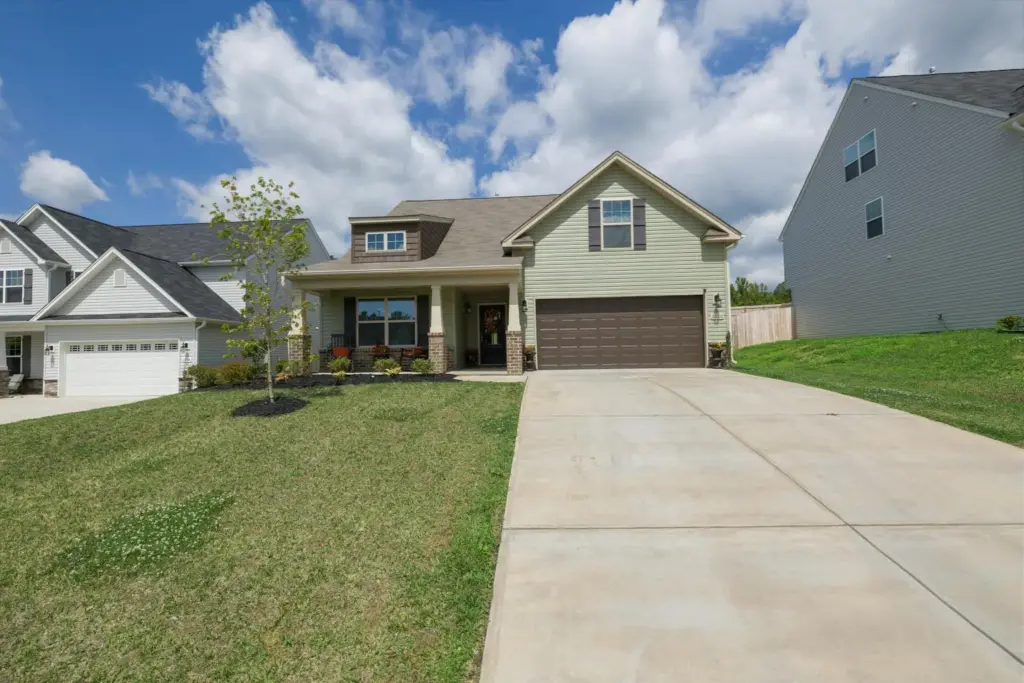
What Property Management Costs in Austin Right Now
Austin landlords pay between 8% and 10% of monthly gross rent for full-service property management in 2026, according to a survey of Austin-area firms. On a property renting for $2,000 per month, that translates to $160 to $200 monthly, or $1,920 to $2,400 per year, before additional fees. That cost covers rent collection, maintenance coordination, tenant communication, and financial reporting. It does not include leasing fees, which run an additional 50% to 100% of the first month’s rent every time a new tenant is placed.
Those numbers matter more than usual right now. The Austin rental market is in the middle of a significant correction. Over 30,000 new apartment units were delivered in the past year, pushing vacancy rates to a multi-year high of nearly 13.8%, according to CoStar and RealPage data. Rents have dropped 4% to 7% year over year depending on property type and location, and nearly 75% of Class A properties are offering concessions like two months free. For landlords watching margins shrink, the question of whether to hire professional management or handle things independently has real financial consequences.
Ed Neuhaus, broker of Neuhaus Realty Group, works with investors across the Austin metro and Hill Country who face this exact decision. “The right property manager protects your investment and your time,” he notes. “But the wrong one can cost you more than doing it yourself.”
This guide breaks down every aspect of property management in Austin for 2026: fee structures, what managers actually do, how to choose one, self-management tools, tenant screening, legal requirements, accounting, insurance, and a clear framework for deciding which approach fits your portfolio.

How Property Management Fees Work in Austin
Property management pricing in Austin follows a predictable structure, but the total cost depends on which services you use and how often tenants turn over. Here is what to expect.
Monthly Management Fee
The core fee covers day-to-day oversight: collecting rent, coordinating maintenance, handling tenant requests, sending owner statements, and enforcing lease terms. Austin firms charge 8% to 10% of gross monthly rent for single-family homes, duplexes, and small multifamily properties. Some companies offer flat-rate pricing between $100 and $200 per month, which can benefit owners of higher-rent properties.
Leasing and Tenant Placement Fee
When a unit needs a new tenant, the property manager markets the property, shows it, screens applicants, and executes the lease. This one-time fee typically ranges from 50% to 100% of the first month’s rent. On a $2,000/month rental, that is $1,000 to $2,000 each time you have turnover. Some companies include one placement per year in their management fee; others charge separately every time.
Lease Renewal Fee
When an existing tenant signs a new lease, the manager may charge $150 to $300. Not all companies charge this, and it is worth negotiating out if possible since renewals require minimal work compared to new placements.
Maintenance Markup
Most property managers add a 10% to 20% markup on maintenance and repair work. If a plumber charges $400, you might see $440 to $480 on your statement. This markup compensates the manager for vetting vendors, coordinating access, and quality-checking completed work. Some firms negotiate volume discounts with preferred vendors that offset this markup.
Other Fees to Watch
| Fee Type | Typical Range | Notes |
|---|---|---|
| Setup / onboarding | $200 – $500 | One-time charge for account creation, property inspection, lease review |
| Vacancy fee | $0 – $100/mo | Some firms charge a reduced fee during vacancies; many charge nothing |
| Eviction coordination | $200 – $500 | Does not include attorney fees or court costs |
| Property inspection | $75 – $150 | Quarterly or semi-annual interior inspections |
| Early termination | $500 – $1,500 | If you cancel before the contract term ends |
| Annual financial reporting | $0 – $200 | Year-end 1099 and owner statement package |
STR Management: A Different Fee Structure
Short-term rental management in Austin runs 20% to 30% of gross rental revenue, significantly higher than long-term management. The higher rate reflects the additional work: dynamic pricing, guest communication, turnover cleaning coordination, listing optimization across platforms, and compliance with Austin’s STR licensing requirements. For a property generating $4,000 per month in STR revenue, expect to pay $800 to $1,200 monthly. The full breakdown of Austin STR regulations and investing considerations is covered in the Complete Guide to Airbnb and Short-Term Rental Investing in Austin.
What a Property Manager Actually Does
The title “property manager” covers a wide range of responsibilities. Understanding exactly what you are paying for helps evaluate whether the cost is justified for your situation.
Marketing and Leasing
A property manager markets vacant units through MLS listings, rental platforms (Zillow, Apartments.com, Rent.com), social media, signage, and their own website. They coordinate showings, respond to inquiries, and move qualified applicants through the screening and lease-signing process. Good managers price your rental competitively using comparable rental data, which is critical in Austin’s current market where overpricing by even $100 per month can mean weeks of additional vacancy.
Tenant Screening
Professional screening typically includes credit reports, criminal background checks, eviction history searches, employment and income verification, and previous landlord references. The National Association of Independent Landlords reports that thorough screening is the single most effective tool for reducing evictions, late payments, and property damage. According to Fair Housing enforcement data, 68% of housing discrimination complaints originate from the screening process, so consistency matters. A good property manager applies identical criteria to every applicant, which protects you legally.
Rent Collection and Financial Management
Managers collect rent (usually through online portals), enforce late payment policies, and deposit funds into your account by a set date each month, typically between the 10th and 15th. They provide monthly owner statements detailing income, expenses, and any maintenance work performed. Year-end reporting includes 1099 forms and financial summaries for tax filing.
Maintenance and Repairs
This is where management companies earn much of their fee. They handle tenant maintenance requests, dispatch vetted vendors, oversee quality of work, and manage emergency repairs around the clock. Most managers set an owner-approved spending threshold (commonly $300 to $500) for routine repairs that do not require prior approval. Larger repairs require owner authorization. The best managers also conduct preventive maintenance like seasonal HVAC servicing and annual property inspections, topics covered in depth in the Complete Guide to Home Maintenance in Central Texas.
Legal Compliance and Evictions
Property managers handle the legal side of landlord-tenant relationships: ensuring lease agreements comply with Texas Property Code, managing security deposit accounting, serving legal notices, and coordinating eviction proceedings when necessary. In Texas, the eviction process starts with a 3-day notice to vacate, followed by filing a Forcible Entry and Detainer suit in Justice of the Peace court. A detailed walkthrough of eviction timelines and recent changes under SB 38 is available in the Texas Squatter and Eviction Laws 2026 post.

When to Hire a Property Manager
Not every landlord needs professional management. The decision depends on six variables: portfolio size, distance from property, available time, property age and condition, tenant complexity, and your own experience level.
You Should Probably Hire a Manager If:
- You own 4+ rental units. The National Association of Residential Property Managers (NARPM) finds that most self-managing landlords hit a capacity ceiling around 3 to 4 properties. Beyond that, the administrative burden, including coordinating maintenance across multiple properties, tracking lease expirations, managing separate accounts, and responding to tenant issues, becomes equivalent to a part-time or full-time job.
- You live more than an hour from your property. Remote ownership creates logistical challenges for showings, inspections, emergency repairs, and court appearances. Property managers solve this entirely.
- You have a demanding primary job. A midnight plumbing emergency or a Tuesday morning court hearing is not compatible with most W-2 careers.
- Your property is older or has recurring maintenance issues. Properties built before 2000, especially those with aging HVAC systems, older plumbing, or foundation concerns common in Central Texas, generate more maintenance requests that benefit from a manager’s vendor network.
- You are not comfortable with confrontation. Enforcing late fees, serving notices, and initiating evictions requires a certain temperament. Many landlords avoid necessary enforcement actions because of personal discomfort, which creates larger problems over time.
You Can Probably Self-Manage If:
- You own 1 to 3 properties near where you live. A small, local portfolio is manageable for most organized people.
- Your properties are newer and in good condition. Less maintenance means less time spent coordinating repairs.
- You enjoy the work. Some investors genuinely like the hands-on aspect of property management and view it as a valuable learning experience.
- You understand Texas landlord-tenant law. Self-managing without legal knowledge is risky. Texas has specific requirements around security deposits, notice periods, habitability standards, and eviction procedures that carry real financial penalties if violated.
The Math: Is a Property Manager Worth the Cost?
Consider a single-family rental in Round Rock renting for $2,200 per month.
| Scenario | Self-Managed | Professionally Managed (9%) |
|---|---|---|
| Annual gross rent | $26,400 | $26,400 |
| Management fee | $0 | $2,376 |
| Leasing fee (1 turnover) | $0 | $1,650 |
| Maintenance markup (est.) | $0 | $300 |
| Your time (est. 8 hrs/mo x $50) | $4,800 | $0 |
| Vacancy loss (self-managed avg 1.5 mo vs PM avg 0.75 mo) | $3,300 | $1,650 |
| Effective annual cost | $8,100 | $5,976 |
This comparison illustrates a common pattern: when you factor in time cost and the vacancy reduction that professional marketing and screening provide, management fees can actually result in a net positive. The caveat is that the “your time” valuation is subjective. If managing properties is your primary occupation or you genuinely enjoy it, the self-management column looks different. But for most investors with full-time jobs and growing portfolios, professional management pencils out.
How to Choose a Property Manager in Austin
Austin has dozens of property management companies ranging from solo operators to national franchises. The quality varies enormously. Here is how to evaluate them.
Interview Questions That Matter
- How many properties do you currently manage, and what is your staff-to-property ratio? A manager handling 200 doors with two staff members will not provide the same attention as one managing 80 doors with the same team. Look for ratios under 100 doors per property manager.
- What is your average days-on-market for vacant units? In Austin’s current market, a well-priced rental should lease within 14 to 21 days. If a manager’s average exceeds 30 days, their marketing or pricing approach needs examination.
- What is your tenant retention rate? Good managers retain 60% to 70% of tenants annually. High retention means fewer turnovers, fewer leasing fees, and less vacancy.
- What is your eviction rate? This reflects screening quality. Anything above 5% of tenants annually suggests screening standards may be too loose.
- How do you handle maintenance requests? Ask about response time guarantees, vendor vetting, the spending authorization process, and whether they have in-house maintenance staff or rely entirely on third-party contractors.
- Can I see a sample owner statement? The statement should clearly itemize income, management fees, maintenance costs, and reserves. If the statement is confusing or lacks detail, the accounting will be too.
- What technology do you use? Modern managers should offer an online owner portal for real-time financial access, online rent collection for tenants, digital maintenance request tracking, and electronic lease signing.
- What does your management agreement look like? Review the contract term length, termination clause, fee schedule, liability provisions, and what happens if they sell the company.
Red Flags to Watch For
- No TREC license. Texas requires property managers who lease and manage property for others to hold a real estate broker license or work under a licensed broker. Verify at the TREC license lookup website.
- Long-term contracts with steep cancellation fees. Industry standard is 30 to 90 day cancellation notice. Contracts requiring 6+ months or charging more than one month’s management fee to cancel are aggressive.
- Commingled funds. Your rental income should be held in a trust account separate from the company’s operating funds. This is a legal requirement in Texas.
- No regular property inspections. Managers who never inspect properties miss maintenance issues until they become expensive emergencies.
- Unwillingness to share vendor pricing. Transparency about maintenance costs and vendor relationships builds trust. Secrecy suggests inflated markups.
Local vs. National Companies
Austin has both locally owned firms and national franchises (Evernest, Real Property Management, Keyrenter, PMI). Local companies typically offer more personalized service, better neighborhood knowledge, and stronger local vendor relationships. National companies may offer more sophisticated technology, standardized processes, and the ability to manage properties across multiple markets. Neither approach is inherently better. Match the company to your needs.
Self-Management: Tools and Systems
If you decide to manage your own properties, the right technology stack can close the gap between amateur and professional management.
Property Management Software
| Platform | Best For | Starting Price | Key Features |
|---|---|---|---|
| Baselane | 1-10 units, free banking | Free | Landlord banking, rent collection, bookkeeping, tax-ready reports |
| Avail (by Realtor.com) | 1-10 units, beginners | Free basic | Listings, screening, lease templates, rent collection, maintenance |
| TenantCloud | 1-75 units | Free (up to 75 units) | Accounting, tenant portal, maintenance, listing syndication |
| RentRedi | 1-50 units, mobile-first | $12/mo | Mobile app, prequalification, rent collection, maintenance |
| Landlord Studio | 1-25 units, accounting focus | $12/mo | Income/expense tracking, receipt scanning, tax reports |
| Buildium | 25-500 units, scaling | $62/mo | Full-suite: accounting, leasing, portals, inspections, reporting |
| AppFolio | 50+ units, professional | Custom (50-unit min) | AI-powered screening, automated workflows, owner portals |
For most self-managing Austin landlords with 1 to 5 properties, Baselane or Avail provides the essential features at no cost. As your portfolio grows past 10 units, Buildium becomes worth the investment for its accounting depth and reporting capabilities.
Tenant Screening Services
Several standalone screening platforms serve self-managing landlords: TransUnion SmartMove, RentSpree, Checkr, and the screening tools built into Avail and TenantCloud. The cost is typically $25 to $45 per applicant and can legally be passed to the applicant in Texas.
Your screening criteria should be documented in writing and applied consistently. At minimum, check:
- Credit score and report (look for collections, judgments, and payment patterns, not just the number)
- Criminal background (county-level and national)
- Eviction history (past 7 years per FCRA)
- Employment and income verification (standard: 3x monthly rent in gross income)
- Previous landlord references (at least 2 prior landlords)
Under the Fair Credit Reporting Act, if you deny an application based on a screening report, you must provide an adverse action notice telling the applicant which report was used, the reporting agency’s contact information, and the applicant’s right to dispute.
Building a Vendor Network
Self-managing landlords need reliable, fairly priced contractors. Start building relationships before you need emergency service.
- HVAC technician: Essential in Austin, where summer temps exceed 100 degrees regularly. Have a backup.
- Licensed plumber: Water heaters, supply line issues, and sewer problems need immediate response.
- Electrician: For panel issues, outlet problems, and code compliance.
- General handyperson: For minor repairs, turnover prep, and odd jobs.
- Locksmith: For re-keying between tenants (legally required in Texas).
- Cleaning crew: For turnover deep cleans.
- Pest control: Central Texas pest pressure is year-round. See the Complete Guide to Pest Control in Central Texas.
Ask each vendor for their after-hours emergency rates upfront. Get at least two quotes for any job over $500. Pay promptly. Vendors prioritize clients who pay fast and treat them well.
Tenant Screening: The Most Important Skill
A bad tenant placement can cost $5,000 to $15,000 when you add up lost rent, property damage, legal fees, and turnover costs. Good screening is the highest-ROI activity in property management.
Setting Screening Criteria
Before you list the property, document your minimum requirements. These must comply with the Fair Housing Act, which prohibits discrimination based on race, color, national origin, religion, sex (including gender identity and sexual orientation), disability, and familial status. Texas does not have additional state-level protected classes for housing, but Austin’s local fair housing ordinance adds protections for source of income, student status, marital status, sexual orientation, gender identity, and veteran status.
A reasonable set of screening criteria for Austin in 2026:
- Minimum credit score: 600 to 650 (adjust based on rent level and market conditions)
- Income: Gross monthly income at least 3x monthly rent
- No evictions in the past 5 years
- No felony convictions in the past 7 years (consider nature and relevance)
- Positive landlord references from at least 2 prior rentals
- Verifiable employment or income source
In Austin’s current soft market with 13.8% vacancy, some flexibility on credit scores may be necessary to fill units. But relaxing standards too far creates problems that cost more than vacancy.
The Application Process
Use a written rental application that collects the information needed for screening. Texas law allows landlords to charge a non-refundable application fee to cover the cost of the screening report. The fee must be reasonable and disclosed upfront. Most Austin landlords charge $40 to $75 per applicant.
Process all applications in the order received. Document your decision-making. If you deny an application, send the adverse action notice required by the FCRA. If you accept, move to lease signing promptly as qualified tenants in Austin typically have multiple options.
Lease Agreements
Texas does not require a specific lease form, but the Texas Apartment Association (TAA) lease and the Texas Association of Realtors (TAR) residential lease are widely used templates that incorporate current state law requirements. Key provisions to include:
- Rent amount, due date, and acceptable payment methods
- Late fee structure (must be reasonable under Texas law)
- Security deposit amount and return conditions
- Maintenance responsibility allocation
- Pet policy (deposit, monthly pet rent, breed restrictions, weight limits)
- Lease term and renewal/notice requirements
- Property condition documentation (move-in checklist with photos)
- Renter’s insurance requirement ($100,000 liability minimum is standard in Austin)
Texas Landlord-Tenant Law: What Every Property Owner Must Know
Texas is generally considered a landlord-friendly state, but that does not mean there are no rules. Violating Texas Property Code requirements can result in financial penalties, lost lawsuits, and treble damages.
Security Deposits
Texas has no statutory limit on security deposit amounts, but most Austin landlords charge one month’s rent. The critical rules:
- You must return the deposit (or provide an itemized deduction list) within 30 days of the tenant vacating and providing a forwarding address.
- Deductions must be for actual damages beyond normal wear and tear. You cannot deduct for routine cleaning, minor scuff marks, or carpet wear from normal use.
- If you wrongfully withhold a deposit, a court can award the tenant up to 3x the deposit amount plus $100 in statutory damages plus reasonable attorney’s fees.
- Keep detailed move-in and move-out documentation with photos. This is your evidence if a dispute goes to court.
Eviction Process in Texas (2026)
The Texas eviction process is faster than most states but still requires following specific steps. Skipping any step can get the case dismissed.
- Notice to Vacate: Serve a written notice giving the tenant at least 3 days to vacate (unless the lease specifies a longer period). The notice must be delivered by personal delivery, mail, or posting on the inside of the main entry door.
- New in 2026: If the tenant has never been late on rent before, they get a 72-hour grace period to pay before eviction proceedings can begin.
- File Forcible Entry and Detainer (FED): After the notice period expires, file the eviction suit at the Justice of the Peace court for the property’s precinct. Filing fees run $50 to $150.
- Citation and Service: Under SB 38, service of citation must now be attempted within 5 business days. The tenant receives formal notice of the hearing.
- Court Hearing: Scheduled 10 to 21 days after filing. Bring your lease, rent ledger, notice to vacate with proof of delivery, and any relevant communication records.
- Judgment and Writ of Possession: If the judge rules in your favor, the tenant has 5 days to appeal. After that, a Writ of Possession is issued, and a constable enforces the removal.
Total timeline from notice to possession: approximately 3 to 6 weeks if uncontested. Contested evictions with appeals can extend to 2 to 3 months.
For the full breakdown of 2026 eviction law changes, including the anti-squatter provisions in SB 38 and SB 1333, see the Texas Squatter and Eviction Laws 2026 guide.
Habitability Standards
Texas Property Code Section 92.052 requires landlords to make diligent efforts to repair conditions that materially affect the physical health or safety of an ordinary tenant. If a tenant reports a habitability issue (no hot water, broken heating, sewage backup, structural hazard), you must make a diligent effort to repair it within a reasonable time. If you fail to act, the tenant can pursue remedies including repair-and-deduct (up to one month’s rent), lease termination, or a court order.
Re-Keying Requirements
Texas law requires landlords to change or re-key locks within 7 days of each new tenant’s occupancy, at the landlord’s expense. This is not optional. Tenants also have the right to request a re-key at their expense at any time during the lease.
Smoke and Carbon Monoxide Detectors
Landlords must install smoke detectors in each bedroom and adjacent hallway. Upon written request, tenants can ask for replacement batteries or non-functioning detectors, and the landlord must respond within a reasonable time.

Section 8 and Housing Choice Vouchers in Austin
The Housing Authority of the City of Austin (HACA) administers the area’s largest Housing Choice Voucher (HCV) program, supporting over 6,000 units and 19,000 individuals in Austin’s private rental market. Participating as a landlord means the government pays a portion of the tenant’s rent directly to you through a Housing Assistance Payments (HAP) contract.
How It Works
- The tenant pays roughly 30% to 40% of their adjusted gross income toward rent.
- HACA pays the difference between the tenant’s portion and the approved payment standard for the unit.
- Payment standards in Austin range from approximately $1,100 for a one-bedroom to $2,000+ for a four-bedroom, though these are adjusted periodically.
- Your property must pass a Housing Quality Standards (HQS) inspection before a voucher holder can move in. Inspections cover safety, sanitation, and habitability.
Pros and Cons for Landlords
| Advantages | Disadvantages |
|---|---|
| Guaranteed partial rent from government | HQS inspections can be stringent |
| Reduced vacancy risk (long waitlists for vouchers) | Rent is capped at payment standard |
| Tenants incentivized to maintain compliance | Administrative paperwork for annual recertification |
| Fills units in soft markets like 2026 | Initial approval process takes time |
Austin’s local fair housing ordinance prohibits discrimination based on source of income, meaning landlords in the city cannot reject applicants solely because they use a housing voucher. This applies to properties within Austin city limits. Properties in unincorporated areas or other municipalities without source-of-income protections are not subject to this requirement.
Accounting, Taxes, and Financial Management
Proper financial management is not optional for rental property owners. The IRS has specific requirements for how rental income and expenses are reported, and poor record-keeping is one of the most common reasons landlords overpay on taxes or face audit issues.
Schedule E: Your Rental Tax Return
Rental income and expenses are reported on Schedule E (Supplemental Income and Loss) of your Form 1040. For each property, you report gross rental income on one line and itemize deductible expenses across categories including advertising, cleaning, insurance, legal fees, management fees, mortgage interest, repairs, taxes, utilities, and depreciation.
Key deductible expenses for Austin landlords:
- Mortgage interest on the investment property loan
- Property taxes (see the Complete Guide to Property Taxes in Austin for rate details by area)
- Insurance premiums for landlord policies
- Repairs and maintenance (but not improvements, which must be capitalized)
- Property management fees
- Travel expenses related to the property
- Depreciation: Residential rental property is depreciated over 27.5 years using the straight-line method. On a $400,000 property with $80,000 allocated to land, the depreciable basis is $320,000, producing an annual deduction of $11,636. This is a paper loss that reduces your tax liability without costing you anything out of pocket.
For investors looking to accelerate depreciation deductions, cost segregation studies can reclassify 20% to 40% of the property’s value into shorter depreciation categories (5, 7, and 15 years). With 100% bonus depreciation now permanent for assets placed in service after January 19, 2025, this strategy can produce significant first-year tax savings. More details are in the Depreciation Recapture guide.
Passive Activity Loss Rules
Rental income is generally classified as passive income, which means losses can only offset other passive income. However, if your adjusted gross income is under $100,000, you can deduct up to $25,000 in rental losses against active income (the allowance phases out between $100,000 and $150,000 AGI).
Investors who qualify as Real Estate Professionals under IRS rules can treat rental losses as non-passive, allowing unlimited deduction against W-2 and other active income. This requires spending 750+ hours per year in real property trades or businesses and more time in real estate than any other occupation.
Record-Keeping Best Practices
- Open a dedicated bank account for each property or at minimum for your rental portfolio. Every dollar of rental income in, every dollar of expense out. Your Schedule E should match this account’s activity.
- Categorize transactions in real time. Sorting a year’s worth of receipts in April is a recipe for missed deductions and errors.
- Keep receipts and invoices digitally, organized by property and expense category. Apps like Landlord Studio and Baselane automate much of this.
- Document the repair vs. improvement distinction. Repairs (fixing a leaky faucet) are currently deductible. Improvements (replacing all the kitchen cabinets) must be capitalized and depreciated. The IRS can audit rental returns up to 3 years after filing, or 6 years if income is understated by more than 25%.
- Track mileage for trips to the property, hardware store, or meetings related to the rental.
Insurance for Austin Rental Properties
Standard homeowner’s insurance (HO-3) does not cover rental properties. You need a landlord policy (also called a dwelling fire policy or DP-3) that specifically covers the risks of renting to tenants.
What Landlord Insurance Covers
- Dwelling coverage: Repair or replacement of the structure after fire, wind, hail, or other covered perils. Given Austin’s hail exposure and occasional severe storms, adequate dwelling coverage is critical.
- Liability coverage: Protects you if a tenant or visitor is injured on the property. Industry standard is $300,000 to $500,000 minimum, with an umbrella policy recommended for additional protection.
- Loss of rental income: Reimburses you for lost rent if the property becomes uninhabitable due to a covered event.
- Personal property (limited): Covers items you own that are on the property (appliances, for example), not tenant belongings.
What It Does Not Cover
- Flood damage: Requires a separate NFIP or private flood policy. Austin is in Flash Flood Alley. If your property is in or near a flood zone, flood insurance is essential. See the Austin Weather and Climate Guide for flood zone details.
- Tenant belongings: This is why you should require tenants to carry renter’s insurance with $100,000 liability minimum.
- Maintenance-related issues: Gradual damage from deferred maintenance (roof leaks you ignore, for example) is not covered.
Landlord insurance in Texas typically costs 15% to 25% more than equivalent homeowner’s insurance. For a $400,000 rental home in Austin, expect $2,000 to $3,500 per year depending on the property’s age, location, and claims history.
Managing Maintenance and Tenant Turnover
Maintenance and turnover are the two largest variable costs in property management. Managing them well is the difference between a profitable rental and a money pit.
Preventive Maintenance Schedule
The Complete Guide to Home Maintenance in Central Texas provides a detailed seasonal checklist, but for rental properties specifically:
- Quarterly: HVAC filter replacement, pest treatment (Central Texas requires year-round pest management), and property drive-by inspection
- Semi-annually: Interior inspection (document condition, check for lease violations, identify deferred maintenance), HVAC professional service (spring and fall)
- Annually: Roof inspection, water heater flush, gutter cleaning, exterior paint/siding check, smoke detector battery replacement
Budget 1% to 1.5% of the property’s value annually for maintenance and capital expenditures. On a $400,000 property, that is $4,000 to $6,000 per year. Properties older than 20 years should budget closer to 2%.
Turnover Process
Tenant turnover averages approximately $3,872 per unit when you include lost rent during vacancy, make-ready costs, marketing, and lease-up time, according to the National Apartment Association. Minimizing turnover is one of the highest-impact things you can do as a landlord.
When a tenant does move out:
- Pre-move-out inspection: Walk the property with the tenant 2 to 4 weeks before move-out. Identify items the tenant should address to protect their deposit.
- Move-out inspection: Document everything with dated photos. Compare to move-in documentation. Common issues Austin tenants leave behind are covered in the top mistakes tenants make when moving out.
- Make-ready: Paint touch-up or full repaint ($800 to $2,500 for a 3-bedroom), deep clean ($200 to $400), carpet cleaning or replacement ($500 to $2,500), minor repairs, and landscaping.
- Re-key locks: Texas law requires this within 7 days of new occupancy.
- Security deposit accounting: Itemize deductions, return the balance within 30 days.
- Marketing: Begin marketing 30 to 45 days before the lease expires if the current tenant is not renewing.
Reducing Turnover
The best way to reduce turnover costs is to keep good tenants.
- Respond to maintenance requests quickly (48-hour target for non-emergencies, same-day for emergencies)
- Price renewals fairly. In Austin’s current market with rents declining 4% to 7%, raising rent on a good tenant is a fast way to create an expensive vacancy.
- Offer small incentives for renewal: a minor upgrade (new ceiling fans, smart thermostat), a professional cleaning, or a small rent concession
- Communicate proactively. Tenants who feel ignored are more likely to leave.
Scaling from 1 to 10+ Properties
Property management strategy should evolve as your portfolio grows. What works for one rental does not scale to ten.
Phase 1: 1 to 3 Properties (Self-Manage)
Most investors start here and self-manage successfully. Focus on:
- Learning Texas landlord-tenant law thoroughly
- Building your vendor network
- Establishing systems (template lease, screening criteria, maintenance request workflow)
- Using free management software (Baselane or Avail)
- Documenting everything (this habit pays off at scale)
At this stage, your time investment is 5 to 10 hours per month across all properties if things are running smoothly.
Phase 2: 4 to 6 Properties (Systematize or Hire)
This is the inflection point. Administrative tasks are multiplying: more lease expirations to track, more maintenance calls, more accounting entries, more tenant communications. Options:
- Systematize further: Move to paid software (Buildium or RentRedi), create written processes for every recurring task, and consider hiring a part-time virtual assistant for tenant communication and scheduling.
- Hire a property manager: If your portfolio is generating enough cash flow to absorb the 8% to 10% fee and you want to redirect your time toward acquiring more properties, this is a natural transition point.
Phase 3: 7 to 15 Properties (Professional Management)
At this level, professional management is the norm. The complexity of managing multiple leases, vendors, bank accounts, and tenant relationships across 7+ properties exceeds what most people can handle alongside a day job. The exception is investors who treat property management as their full-time occupation, which also opens the door to Real Estate Professional Tax Status.
This is also where your financing strategy shifts. DSCR loans become valuable because lenders qualify you based on the property’s income rather than your personal DTI, which might already be stretched. Portfolio loans allow you to bundle multiple properties under a single loan.
Phase 4: 15+ Properties (Build or Buy Infrastructure)
Investors at this scale often negotiate reduced management rates (6% to 8%) based on volume, hire their own maintenance staff, or even bring management in-house. Some acquire or start their own management company. The Complete Guide to Investment Property in Austin covers acquisition strategies and market analysis for growing portfolios.
Austin Rental Market by Area: Where Management Matters Most
Property management considerations vary significantly across Austin’s submarkets. Here is a quick reference for investors evaluating where management intensity is highest.
| Area | Median Rent (2026) | Vacancy | Tenant Profile | Management Notes |
|---|---|---|---|---|
| Downtown/Central Austin | $1,800 – $2,800 | High (15%+) | Young professionals, tech workers | High concession pressure, frequent turnover |
| Cedar Park | $1,600 – $2,200 | Moderate | Young professionals, good schools | Stable tenants, lower maintenance on newer homes |
| Round Rock | $1,500 – $2,100 | Moderate | Tech corridor workers, Dell/Apple | Strong rental demand, moderate turnover |
| Georgetown | $1,400 – $2,000 | Low-Moderate | Retirees, commuters | Longer lease terms, fewer maintenance calls |
| Bee Cave | $2,000 – $3,000 | Moderate | Move-up renters, relocators | Higher-value homes require premium maintenance |
| Lakeway | $2,200 – $3,500 | Moderate | Tech executives, lake lifestyle | Pool and landscape maintenance intensive |
| Dripping Springs | $1,800 – $2,800 | Low | Hill Country lifestyle seekers | Well/septic adds management complexity |
Properties in Lakeway and Bee Cave with pools, larger lots, and premium finishes almost always benefit from professional management due to the maintenance intensity. Simpler homes in Cedar Park and Round Rock are more self-management friendly.
HOA Compliance for Rental Properties
If your rental property is in an HOA-governed community, the property manager (whether that is you or a company) must ensure the tenant complies with HOA rules. Common issues:
- Parking violations: Many Austin HOAs restrict street parking, commercial vehicles, or number of vehicles per household.
- Yard maintenance: HOAs can fine homeowners for tenant neglect of landscaping.
- Exterior modifications: Tenants cannot make changes (satellite dishes, paint colors, fencing) without architectural review approval. The owner is responsible for any violations.
- Rental restrictions: Some HOAs limit the number or percentage of rentals in the community. Always check CC&Rs before purchasing an investment property in an HOA community.
- Lease term minimums: Many Austin HOAs require minimum 6-month or 12-month leases, effectively prohibiting short-term rentals. This is a critical due diligence item, covered in the role of HOAs in property management.
Include HOA rules as a lease addendum and make tenants acknowledge receipt. You remain liable for fines even if the tenant caused the violation.
Selling a Property with Tenants
At some point, you may want to sell a rental property that has tenants in place. Ed Neuhaus at Neuhaus Realty Group regularly handles these transactions across Austin and the Hill Country. The process requires balancing tenant rights with your need to market and show the property effectively.
Texas does not have a statewide statute specifically governing showings of occupied rental properties, but your lease should include a clause allowing reasonable access for showings with 24-hour notice. The guide to selling a home with tenants in place covers the strategies and considerations in detail, including whether to sell occupied (appealing to investors) or wait for the lease to expire (broader buyer pool).
Frequently Asked Questions
Getting Started: Your Property Management Action Plan
Whether you hire a manager or go the self-management route, the fundamentals are the same. Here is a checklist for Austin landlords in 2026.
Before your first tenant:
- Open a dedicated bank account for the rental property
- Purchase landlord insurance (DP-3 policy with $300,000+ liability)
- Document the property’s condition with photos and video
- Research comparable rents in your specific neighborhood (not just zip code)
- Set up property management software or hire a manager
- Create written screening criteria that comply with Fair Housing
- Have a Texas-compliant lease agreement reviewed by an attorney
- Build a list of at least 3 reliable vendors (plumber, HVAC tech, handyperson)
- File for your homestead exemption on your primary residence (not the rental) to ensure your taxes are optimized on your personal home
Ongoing management essentials:
- Collect rent through a trackable system (online payment strongly preferred)
- Respond to maintenance requests within 48 hours (emergencies same-day)
- Conduct interior inspections at least semi-annually
- Maintain preventive maintenance schedule
- Review insurance coverage annually
- Track all income and expenses by property for Schedule E
- Protest your rental property’s tax assessment annually (see the property tax protest guide)
- Start marketing 30 to 45 days before lease expiration if tenant is not renewing
Austin’s rental market will continue evolving through 2026 and beyond. The oversupply that drove vacancy rates to 13.8% is temporary. Population growth, which added over 150,000 people to the metro between 2020 and 2025, has not stopped. As new construction slows and absorption catches up, rents will stabilize and eventually resume growth. Investors who manage their properties well through this soft period will be positioned for stronger returns when the cycle turns.
For investors exploring Austin rental property for the first time, the Complete Guide to Investment Property in Austin provides a full market analysis. Those considering the house hacking approach can start building a portfolio while living in one of their units. And for landlords weighing short-term vs. long-term rental strategies, the right management approach is the foundation that makes either strategy work.